
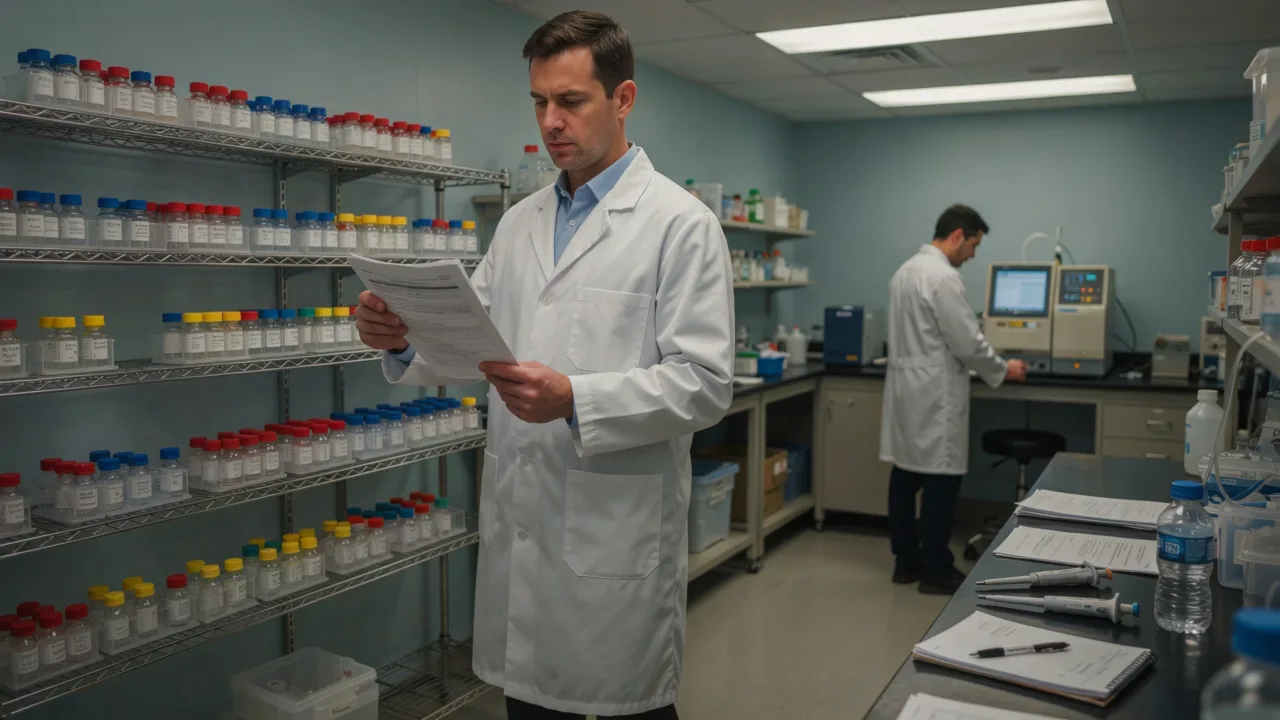
What GMP Compliance Audit Services Do
GMP compliance audit services measure whether your actual practices and records meet the regulations that apply to you. The emphasis is on evidence of ongoing control. Regulators are not interested in a burst of activity before an inspection. They want to see that the system works every day, whether or not anyone is watching.
A compliance audit tests that claim. It looks at records, interviews staff, observes operations, and checks whether the documented system matches reality. When the two diverge, the audit captures the gap and explains why it matters. The work is not about finding fault with individuals. It is about finding weaknesses in systems so that they can be corrected before a regulator finds them.
Many companies approach compliance audits with some anxiety, especially if they have never had an independent review. In practice, most teams find the process useful. It gives them a clear picture of where they stand and a defensible plan for improvement. The report also becomes valuable evidence during inspections, because it shows that the company monitors itself seriously.
The Regulatory Basis for Compliance Audits
FDA 21 CFR 211.22 and 211.192
The quality control unit must ensure compliance and investigate deviations thoroughly. Audit data shows whether these responsibilities are being met in practice. FDA investigators often ask for audit reports and want to see how findings were handled. If the reports show only minor issues year after year, investigators may question whether the program is meaningful.
EU GMP Chapter 9 and Self Inspection
EU regulations require a documented self inspection program with defined frequency and follow up. Compliance audits are the engine of that program. Chapter 9 also expects the results to be evaluated and corrective action taken. An audit that produces a report but no action is not compliant in spirit or in letter.
ICH Q10 and Continual Improvement
ICH Q10 links audit results to management review and continual improvement. Without reliable audit data, improvement efforts lose direction. Management review needs objective inputs, and audit reports are among the most valuable.
PIC/S and WHO Guidance
Both PIC/S and WHO emphasize risk based audit programs as a core element of the quality system. Their guidance informs how we structure our audits, including how we classify findings and how we prioritize corrective actions.
Annex 1 and Contamination Control
For sterile manufacturers, the revised Annex 1 adds expectations around contamination control strategy. A compliance audit for a sterile site should check that the strategy is documented, implemented, and supported by data.
Core Areas of Our Compliance Audits
Quality Management System Effectiveness
We look at whether the quality system prevents problems, detects them when they occur, and corrects them effectively. That means reviewing CAPA, change control, deviation management, and management review. We also check whether quality decisions are documented and whether the quality unit has the authority it needs.
Production and Process Controls
We check whether processes are controlled and validated, whether in process checks are performed as required, and whether the results are documented. We look at how process parameters are monitored and what happens when they drift outside the validated range.
Documentation and Record Integrity
Good documentation is a regulatory requirement, not a nicety. We review records for accuracy, completeness, and traceability, and we check data integrity controls. We look at how corrections are made, whether records are contemporaneous, and whether audit trails are reviewed.
CAPA System Performance
A CAPA system that closes actions without verifying effectiveness is a common weakness. We test whether CAPAs actually solve problems or just close tickets. We also check whether recurring issues are recognized and addressed at the system level.
Facility and Equipment Maintenance
We review maintenance and calibration records, cleaning and sanitation practices, and the overall condition of the facility. Poor facility conditions are easy for inspectors to see, so they matter even when the product itself is fine.
Training and Personnel Qualification
We check training records, qualification of personnel for specific tasks, and whether training content matches current procedures. Training that is completed but not understood shows up in practice, and we look for that.
Common Compliance Gaps We Identify
Incomplete Deviation Investigations
Investigations that stop at the immediate cause without reaching the root cause are a frequent finding. Regulators view this as a systemic weakness because it means problems will recur.
Weak Change Control Evaluations
Changes that are not properly evaluated for impact on product quality and regulatory status create risk. We check whether change control is meaningful and whether changes are implemented as approved.
Data Integrity Control Gaps
Missing audit trails, shared logins, and uncontrolled spreadsheets are common issues. We help companies find and fix them before an inspector does. Data integrity findings can be severe, so early detection matters.
Supplier Oversight Deficiencies
Oversight that relies only on questionnaires and certificates, without audits or performance monitoring, is often flagged. We help strengthen that oversight with a risk based approach.
Inadequate Management Review
Management review that happens on schedule but produces no decisions is a weak point. We check whether reviews use meaningful data and whether actions are tracked to completion.
How the Audit Process Works
Planning and Document Review
We agree on scope, review key documents, and build an audit plan that focuses on the highest risk areas.
On Site Verification
We visit the site, observe operations, interview staff, and review records. We look for evidence that the system described in documents is the system in use.
Finding Classification and Reporting
Findings are classified by severity and linked to the relevant regulation. Each finding includes a clear description and a recommended corrective action.
Follow Up
We can return to verify that corrective actions were implemented and effective. This step is often what regulators find most convincing.
Prepare for Your Next Inspection
Visit https://www.gxpcellators.com/gmp-auditing/ to learn more about our approach. Email or complete the form at https://www.gxpcellators.com/contact/.
Frequently Asked Questions About GMP Compliance Audits
How is a compliance audit different from a gap assessment?
A compliance audit checks whether you meet the regulations today and produces findings with corrective actions. A gap assessment is forward looking and focuses on readiness for a future state, such as a new product launch or an inspection. The two often overlap in practice, but the emphasis is different.
Can a compliance audit be used as evidence for regulators?
Yes. Audit reports, findings, and corrective actions can be shown to inspectors as evidence of an active compliance program. Regulators often ask for them, so keeping good records is important. A well documented program is a strong signal of quality culture.
What is the most common finding in compliance audits?
Weak CAPA systems and incomplete deviation investigations are the most common findings we see. Data integrity issues are also frequent and carry high risk. Supplier oversight and management review weaknesses follow closely.
How do you decide what to audit first?
We use risk. Areas that directly affect product quality and patient safety come first, followed by areas with a history of issues or upcoming regulatory scrutiny. We also consider the products you make and the markets you serve.
Do you audit data integrity separately?
Data integrity is covered within the audit, and we can also run a focused data integrity assessment if you need deeper coverage. This is often useful before an inspection or when introducing new computerized systems.
How long does a compliance audit take?
Most audits take several days to two weeks depending on scope. We agree the timeline before work begins so you can plan around it.
Will the audit disrupt our operations?
We plan around your production schedule and keep disruption low. Most of the work is document review and interviews, with limited time on the floor. Staff involvement is usually a few hours per person.
How can I schedule a compliance audit?
Email or use https://www.gxpcellators.com/contact/. You can review our services at https://www.gxpcellators.com/gmp-auditing/.

