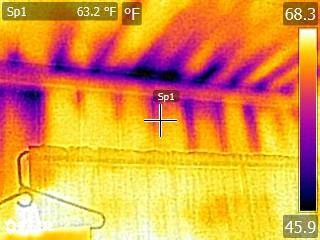
Thermal validation ensures that temperature-controlled environments meet specified product safety, efficacy, and quality requirements. It involves measuring and documenting the thermal performance of storage and transport equipment, ensuring consistent temperature conditions.
Temperature Monitoring: Continuous or periodic measurement of temperatures within a specified environment using calibrated sensors.
Data Analysis: Collecting and analyzing temperature data to ensure it remains within defined limits.
Equipment Validation involves ensuring that equipment (e.g., refrigerators, freezers, and incubators) maintains specified temperature ranges throughout the operation.
Risk Assessment: Identifying potential risks associated with temperature deviations and their impact on product integrity.
Why Thermal Validation is Required
Product Integrity: Ensures that pharmaceuticals, biological products, and other sensitive materials remain effective and safe.
Regulatory Compliance: Meets stringent regulatory standards that agencies like the FDA, Health Canada, and others require.
Quality Assurance: Helps maintain quality control throughout storage and transportation.
Risk Management: Identifies and mitigates risks associated with temperature excursions.
Where Thermal Mapping is Applicable in the Life Sciences Industry
Pharmaceutical Storage: Warehousing conditions for drugs and vaccines.
Biological Specimen Storage: Conditions for storing blood products, tissues, and other biological materials.
Transport of Temperature-Sensitive Products: Ensuring cold chain integrity during transport.
Laboratory Equipment: Validating incubators, freezers, and refrigerators.
Detailed Components of Thermal Validation
Temperature Sensors: Devices used to measure temperature, including thermocouples, thermistors, and data loggers.
Data Loggers: Equipment that records temperature data over time, often equipped with alarms for deviations.
Calibration Standards: Procedures and instruments used to ensure that temperature sensors are accurate.
Mapping Protocols: Specific procedures that outline how thermal mapping will be conducted, including the number of data points and placement of sensors.
Software: Tools used for data collection, analysis, and reporting of temperature data.
WHO (World Health Organization): Guides maintaining temperature for vaccines and biologicals.
ISO Standards: Sets international standards for quality management, including temperature control.
TGA (Australia): Regulations for therapeutic goods storage and transport.
MCC (South Africa): Ensures compliance in the pharmaceutical sector.
Qualifications for Thermal Mapping
Personnel Training: Ensure that personnel conducting thermal mapping are adequately trained in procedures and equipment use.
Documentation: Maintain comprehensive documentation of all mapping activities, including protocols, data collected, and analysis.
Required Documents Before and During Thermal Mapping
Thermal Mapping Protocol: Document detailing the procedures and objectives for the mapping study.
Calibration Certificates: Documentation for all calibrated equipment.
Data Logs: Recorded temperature data during the mapping study.
Final Report: A comprehensive report summarizing the mapping results and conclusions.
Regulatory Warning Letters Related to Thermal Mapping
Warning letters may be issued for:
Inadequate temperature controls or excursions.
Insufficient documentation of thermal validation activities.
Non-compliance with established temperature requirements for products.
Detailed Process for the Qualification of Thermal Mapping
Develop a Thermal Mapping Plan: Outline objectives, methodologies, and equipment needed.
Calibration of Equipment: Ensure all measuring devices are accurately calibrated.
Sensor Placement: Position sensors in critical areas as the mapping plan outlines.
Data Collection: Record temperature data continuously over the specified duration.
Data Analysis: Evaluate the collected data for any temperature deviations.
Documentation: Compile findings into a formal report, including graphs and any corrective actions taken.
Review and Approval: Ensure relevant stakeholders review and approve the report.
Continuous Monitoring: Establish procedures for ongoing temperature monitoring and re-validation as necessary.
This comprehensive guide covers the essentials of thermal validation and mapping, emphasizing its significance, methodologies, and regulatory aspects, particularly within the life sciences industry.
Contact Us
GxP Cellators is a reputable contract services organization that provides comprehensive Good x Practices (GxP) services in Manufacturing, Laboratory, Distribution, Engineering, and Clinical practices to various industries, including Biopharmaceuticals (Biologics), Pharmaceuticals, and Medical Devices. We closely collaborate with our esteemed life sciences clients to help them establish greenfield or brownfield projects, guiding them from the project stage to regulatory approval for their GxP sites.
Our team consists of highly qualified experts specializing in Good Manufacturing Practices (GMP), Good Laboratory Practices (GLP), Good Clinical Practices (GCP), Good Distribution Practices (GDP), Cleanroom Operations, and Engineering Operations. Our Subject Matter Experts (SMEs) are extensively trained and possess the essential knowledge and skills to excel in their respective domains.
We also have a team of highly skilled validation specialists with expertise in equipment and utilities qualifications, computerized system validations (CSV), thermal validations, clean utilities validation, and cleanroom validations. Please feel free to contact us at for any assistance required during the qualification of your facilities or site equipment.
For security purposes, please solve this simple puzzle to verify you are human before sending an OTP.
=
You cannot copy content of this page
Manage Consent
To provide the best experiences, we use technologies like cookies to store and/or access device information. Consenting to these technologies will allow us to process data such as browsing behavior or unique IDs on this site. Not consenting or withdrawing consent, may adversely affect certain features and functions.
FunctionalAlways active
The technical storage or access is strictly necessary for the legitimate purpose of enabling the use of a specific service explicitly requested by the subscriber or user, or for the sole purpose of carrying out the transmission of a communication over an electronic communications network.
Preferences
The technical storage or access is necessary for the legitimate purpose of storing preferences that are not requested by the subscriber or user.
Statistics
The technical storage or access that is used exclusively for statistical purposes.The technical storage or access that is used exclusively for anonymous statistical purposes. Without a subpoena, voluntary compliance on the part of your Internet Service Provider, or additional records from a third party, information stored or retrieved for this purpose alone cannot usually be used to identify you.
Marketing
The technical storage or access is required to create user profiles to send advertising, or to track the user on a website or across several websites for similar marketing purposes.