
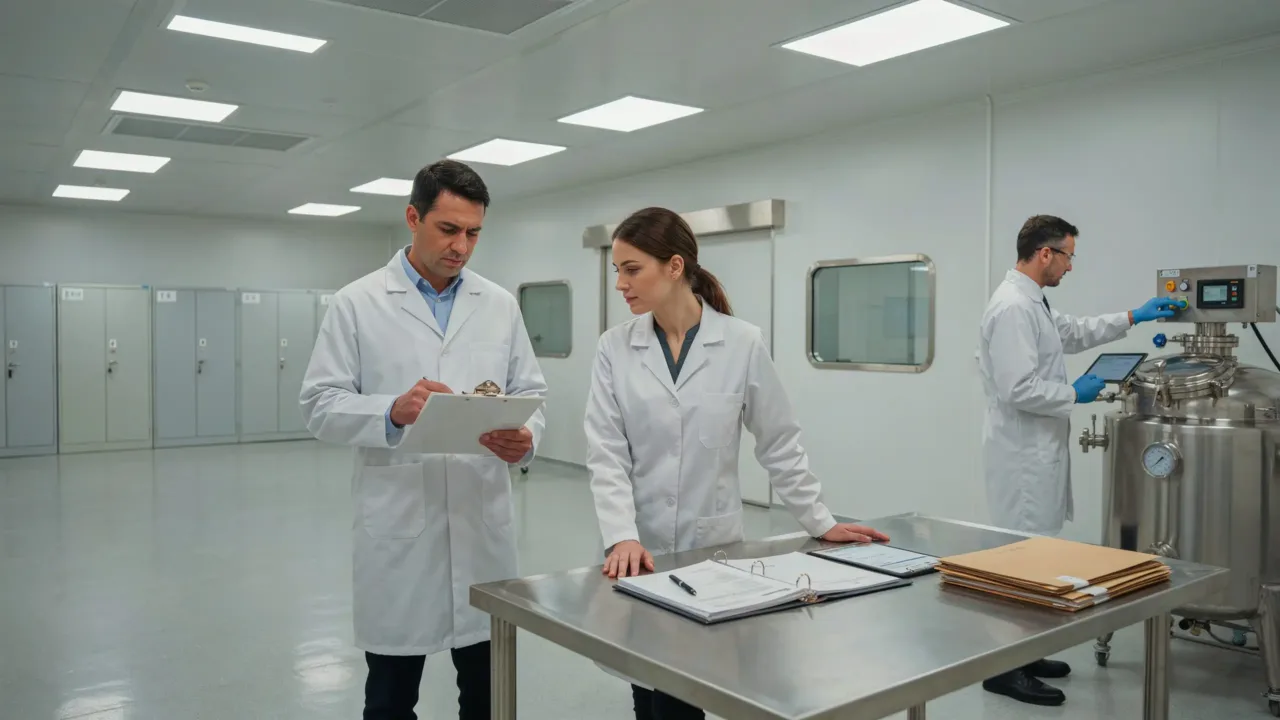
Introduction
Good Manufacturing Practices (GMP) help pharmaceutical companies maintain product quality, safety, and consistency. Regular assessments are essential to ensure that manufacturing facilities follow applicable quality and regulatory requirements. Two important activities in this process are GMP facility audits and regulatory inspections.
Although both activities examine similar areas, they serve different purposes. A GMP facility audit helps identify compliance gaps and opportunities for improvement, while a regulatory inspection evaluates whether a company meets applicable regulatory requirements.
Understanding the difference between a GMP facility audit vs regulatory inspection helps pharmaceutical manufacturers prepare their facilities, improve quality systems, and reduce the risk of compliance problems.
GxP Cellators provides GMP auditing services to help organizations evaluate facility conditions, identify weaknesses, and prepare for regulatory inspections.
What Is a GMP Facility Audit?
A GMP facility audit is a systematic assessment of a pharmaceutical manufacturing facility to determine whether its infrastructure, equipment, procedures, and quality systems follow applicable GMP requirements.
These audits may be conducted by internal audit teams, independent external auditors, or qualified consultants. Their scope depends on the facility’s activities, products, risks, and applicable regulatory expectations.
The main objective is to identify weaknesses before they lead to product quality issues or regulatory findings.
Key Objectives of a GMP Facility Audit
A GMP facility audit typically aims to:
- Verify that facility infrastructure supports GMP requirements.
- Review building design, production layout, and material flow.
- Evaluate cleanroom conditions and environmental controls.
- Check equipment maintenance and qualification records.
- Assess documentation practices and data integrity.
- Identify compliance gaps and recommend corrective actions.
- Support continuous improvement and inspection readiness.
Regular facility audits help companies maintain control over their manufacturing environments and address problems before they become more serious.
What Is a Regulatory Inspection?
A regulatory inspection is an official assessment conducted by inspectors from a regulatory authority. Its purpose is to determine whether a pharmaceutical company complies with applicable laws, regulations, and GMP requirements.
Depending on the circumstances, inspections may be conducted by authorities such as the US Food and Drug Administration (FDA), European Medicines Agency (EMA) through the relevant national competent authorities, Health Canada, the UK’s Medicines and Healthcare products Regulatory Agency (MHRA), or other competent regulatory bodies.
The inspection scope depends on the authority, facility, products, regulatory requirements, and reason for the inspection.
Unlike a routine internal or external facility audit, a regulatory inspection may lead to formal observations, requests for corrective action, or further regulatory measures when significant deficiencies are identified.
Key Objectives of a Regulatory Inspection
Regulatory inspections generally aim to:
- Determine compliance with applicable regulatory requirements.
- Evaluate whether manufacturing processes remain under control.
- Verify the reliability and completeness of records.
- Assess product quality systems and risk management practices.
- Review previous inspection findings and corrective actions.
- Identify deficiencies that may affect product quality or patient safety.
Companies should maintain inspection readiness throughout the year instead of preparing only when an inspection is announced.
GMP Facility Audit vs Regulatory Inspection: What Is Checked?
Both activities may review similar facility areas. However, their depth, purpose, and expected outcomes can differ.
| Area Checked | GMP Facility Audit | Regulatory Inspection |
|---|---|---|
| Building Design | Evaluates suitability and GMP compliance | Checks compliance with applicable requirements |
| Layout and Material Flow | Reviews movement of personnel, materials, and products | Evaluates potential contamination and mix-up risks |
| Cleanroom Classification | Reviews classification, monitoring, and supporting records | Assesses compliance with relevant environmental controls |
| HVAC Systems | Reviews maintenance, qualification, and performance records | Evaluates whether systems support required conditions |
| Water Systems | Checks system controls, monitoring, and maintenance | Reviews suitability, monitoring, and compliance |
| Cleaning and Sanitation | Evaluates procedures, records, and effectiveness | Checks implementation and supporting evidence |
| Pest Control | Reviews prevention and monitoring programs | Assesses whether controls meet applicable requirements |
| Maintenance | Identifies maintenance gaps and recurring issues | Evaluates maintenance controls and their impact on quality |
| Equipment | Reviews qualification, calibration, and maintenance | Verifies suitability and control of equipment |
| Documentation | Identifies incomplete or inconsistent records | Examines records for compliance and reliability |
| Data Integrity | Assesses data controls and documentation practices | Evaluates the reliability, completeness, and traceability of data |
The exact scope is not identical for every audit or inspection. Some assessments focus mainly on facility infrastructure, while others examine manufacturing operations, laboratory controls, computerized systems, or the wider pharmaceutical quality system.
Key Differences Between a GMP Facility Audit and Regulatory Inspection
Understanding the differences helps companies select the right preparation activities and respond appropriately to findings.
| Aspect | GMP Facility Audit | Regulatory Inspection |
|---|---|---|
| Purpose | Identify gaps and improvement opportunities | Evaluate compliance with applicable regulations |
| Conducted By | Internal auditors or external audit providers | Authorized regulatory inspectors |
| Frequency | Based on the audit schedule and risk assessment | Based on regulatory priorities and applicable inspection programs |
| Scope | Defined according to the audit plan | Determined by the regulatory authority |
| Findings | Audit observations and recommendations | Regulatory observations or other formal findings |
| Follow-Up | Corrective and preventive action (CAPA) | Formal responses and corrective actions when required |
| Outcome | Improved controls and compliance readiness | Regulatory conclusions and potential further action |
A facility audit is a valuable preventive activity. However, it does not replace an official regulatory inspection or guarantee that a regulatory authority will find no deficiencies.
Major Areas Reviewed During a GMP Facility Audit
A detailed facility audit should evaluate the areas that directly influence product quality, contamination control, and manufacturing consistency.
1. Building Design and Facility Layout
Auditors review whether the facility design supports the intended manufacturing activities. They may examine production areas, personnel movement, material transfer routes, segregation, and the prevention of cross-contamination.
Poor layout or uncontrolled movement can create avoidable risks. Identifying these issues early allows companies to improve facility controls.
2. Cleanroom Classification and Environmental Controls
Cleanrooms require suitable environmental conditions based on their intended use. Auditors may review classification records, environmental monitoring results, cleaning procedures, pressure differentials, and contamination-control measures.
The assessment also considers whether the controls are suitable for the products and processes handled in the facility.
3. HVAC and Water Systems
Heating, ventilation, and air conditioning (HVAC) systems help maintain required environmental conditions. Pharmaceutical water systems must also be suitable for their intended applications.
Auditors examine qualification documents, maintenance records, monitoring data, deviations, and corrective actions to determine whether these systems remain under control.
4. Equipment and Preventive Maintenance
Manufacturing equipment must be suitable for its intended purpose and maintained in a controlled condition. Auditors may check equipment qualification, calibration, cleaning, preventive maintenance, and breakdown records.
Repeated equipment failures or overdue maintenance can indicate weaknesses that need further investigation.
5. Documentation and Data Integrity
Accurate documentation is essential for demonstrating GMP compliance. Auditors review procedures, batch records, maintenance logs, training records, deviations, and other relevant documents.
They may also assess data integrity controls, including record completeness, traceability, access controls, and the handling of electronic records. Any discrepancies should be investigated and addressed through the appropriate quality processes.
What Happens When a Regulatory Inspection Identifies Deficiencies?
Regulatory inspection findings require a structured and timely response. The appropriate action depends on the nature of the deficiency, the applicable regulations, and the authority’s communication.
Companies should first understand each observation and assess its potential impact on product quality, patient safety, and compliance.
Important Steps After an Inspection
- Review the findings: Understand each observation and identify the affected systems, processes, or records.
- Assess the risk: Determine the potential impact on product quality and patient safety.
- Investigate the root cause: Establish why the problem occurred rather than addressing only its immediate symptoms.
- Develop a CAPA plan: Define corrective actions, preventive measures, responsibilities, and target dates.
- Implement improvements: Complete the agreed actions and maintain supporting evidence.
- Verify effectiveness: Confirm that the actions address the root cause and reduce the risk of recurrence.
Where a formal regulatory response is required, companies should follow the authority’s instructions and applicable deadlines. External audit support can help organizations organize evidence and evaluate remediation plans, but responsibility for regulatory responses remains with the regulated company.
How GMP Facility Audits Improve Inspection Readiness
Routine facility audits help companies identify weaknesses before an official inspection. They also provide a structured way to assess whether previous corrective actions have been effective.
For example, an audit may identify incomplete maintenance records, weaknesses in cleanroom monitoring, outdated procedures, or gaps in employee training. Addressing these problems early can strengthen compliance and improve operational control.
A risk-based audit schedule can help organizations focus resources on critical areas. Facilities with complex manufacturing processes, significant changes, recurring deviations, or previous compliance concerns may require additional attention.
Mock inspections can also help employees understand how to present records, explain procedures, and demonstrate that established controls are followed in daily operations.
How GxP Cellators Supports GMP Facility Audits and Inspection Preparation
GxP Cellators provides GMP auditing services to help pharmaceutical and other regulated organizations evaluate their compliance practices and identify areas for improvement.
The company’s support can help businesses prepare for regulatory inspections through structured assessments and practical recommendations.
Our Services Include
- Full-scope GMP facility audits.
- Mock regulatory inspections.
- Pre-inspection readiness assessments.
- Data integrity audits.
- Documentation and quality-system reviews.
- CAPA verification and follow-up support.
Why Choose GxP Cellators?
Organizations need audit findings that are clear, practical, and relevant to their operations. GxP Cellators focuses on identifying compliance weaknesses and helping clients understand the actions needed to address them.
Its approach can be tailored to facility-specific risks, relevant regulatory expectations, and the scope of the assessment. Support may cover requirements associated with authorities such as the FDA, Health Canada, and MHRA, as well as applicable European and WHO GMP expectations.
Audit outcomes can help organizations prioritize remediation, strengthen quality systems, and improve their overall inspection preparation.
For details about available services, visit the GxP Cellators contact page to discuss your facility audit or inspection readiness requirements.
Conclusion
A GMP facility audit and a regulatory inspection may examine many of the same areas, including building design, cleanrooms, HVAC systems, equipment, documentation, and data integrity. However, their purposes and outcomes are different.
Facility audits help organizations identify weaknesses and implement improvements, while regulatory inspections determine compliance with applicable regulatory requirements. Both activities play an important role in maintaining pharmaceutical quality and protecting patients.
Working with experienced GMP auditing professionals can help companies identify risks, improve corrective action processes, and prepare more effectively for regulatory scrutiny.
If your organization needs support with GMP facility audits or mock inspection preparation, contact GxP Cellators to discuss your requirements.
Frequently Asked Questions
1. What is the difference between a GMP facility audit and a regulatory inspection?
A GMP facility audit is conducted by internal or external auditors to assess compliance and identify improvement opportunities. A regulatory inspection is conducted by authorized regulatory inspectors to determine whether a company meets applicable regulatory requirements.
2. What is checked during a GMP facility audit?
A GMP facility audit may examine building design, facility layout, cleanroom classification, HVAC and water systems, cleaning and sanitation, pest control, equipment, maintenance, documentation, and data integrity.
3. What is checked during a regulatory inspection?
Regulatory inspectors may review facility conditions, manufacturing processes, quality systems, equipment, records, data integrity, and corrective actions. The exact scope depends on the authority and the purpose of the inspection.
4. Can a GMP facility audit replace a regulatory inspection?
No. A facility audit helps identify compliance gaps and improve readiness, but it cannot replace an official regulatory inspection or guarantee a successful inspection outcome.
5. How often should a GMP facility audit be conducted?
The frequency should be based on risk, facility complexity, applicable requirements, previous findings, and the company’s audit program. Organizations should establish a documented schedule and review it when significant changes or compliance concerns arise.
6. How does GxP Cellators support GMP facility audit preparation?
GxP Cellators offers support through facility audits, mock regulatory inspections, pre-inspection readiness assessments, data integrity audits, documentation reviews, and CAPA verification and follow-up.
7. How can I contact GxP Cellators for GMP auditing services?
Visit the GxP Cellators contact page to discuss your GMP facility audit, compliance assessment, or regulatory inspection preparation needs.

