EU GMP Annex 1 Archives | GxP Cellators Consultants Ltd.

11/05/2026
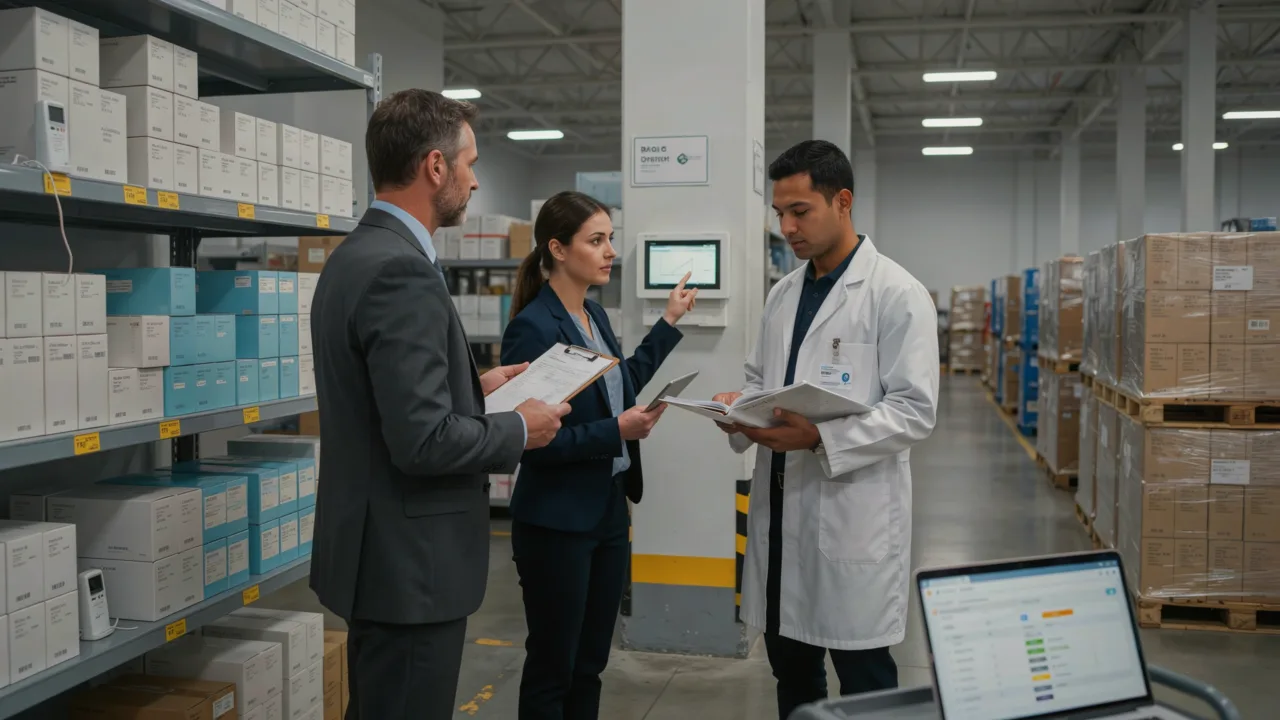
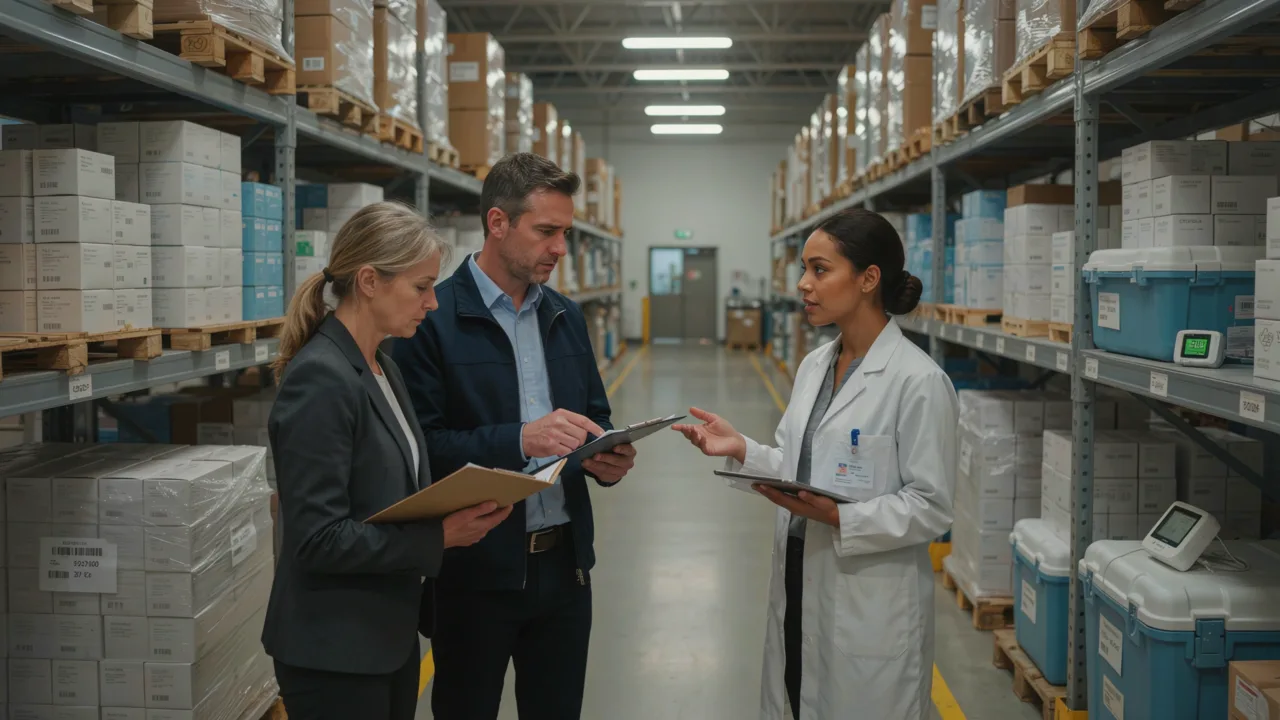
Annex-1_webp-1280x714.webp

The 2022 revision of EU GMP Annex 1 for sterile medicinal products has raised the bar for contamination control. It is no longer enough to have isolated procedures. Regulators now expect a holistic Contamination Control Strategy (CCS) that links facility design, personnel behaviour, environmental monitoring, and process validation.

Many pharmaceutical companies struggle to translate the Annex 1 requirements into a defendable audit position. Whether you are a manufacturer, a sponsor outsourcing sterile production, or a second party supplier, you need expert guidance to prepare for inspections.

GxP Cellators Consultancy offers specialized Annex 1 GMP auditing services. We help you achieve and maintain compliance for in-house operations, sponsor oversight, and supplier audits.

/eu-gmp-certification-requirements-sterile-manufacturing/


What Annex 1 Demands from Your Sterile Manufacturing

The regulation requires a documented CCS that defines all critical control points. It must include design controls, procedural measures, technical solutions, and organisational responsibilities. Sole reliance on terminal sterilisation or finished product sterility testing is not acceptable.

Key elements of the CCS include:

  • Facility and equipment design with qualification and validation

  • Personnel training, gowning qualification, and aseptic behaviour

  • Utility systems such as water, steam, and gases

  • Vendor approval for sterilisation services and single use systems

  • Cleaning and disinfection protocols

  • Environmental and process monitoring with trend analysis

  • Corrective and preventive actions (CAPA) based on root cause investigation

Annex 1 also demands specific attention to cleanroom grades. Grade A areas require continuous total particle monitoring. Any microbial growth in Grade A must trigger an immediate investigation. For aseptic processing, interventions must be listed, qualified, and simulated during media fills. Aseptic process simulations (APS) must be performed twice a year for each filling line and shift. Each operator must participate in at least one successful APS annually.

These requirements create significant audit risks if not properly implemented.


Three Types of Annex 1 Audits We Support

GxP Cellators provides flexible auditing services tailored to your role in the supply chain.

1. In-House Audits for Manufacturers

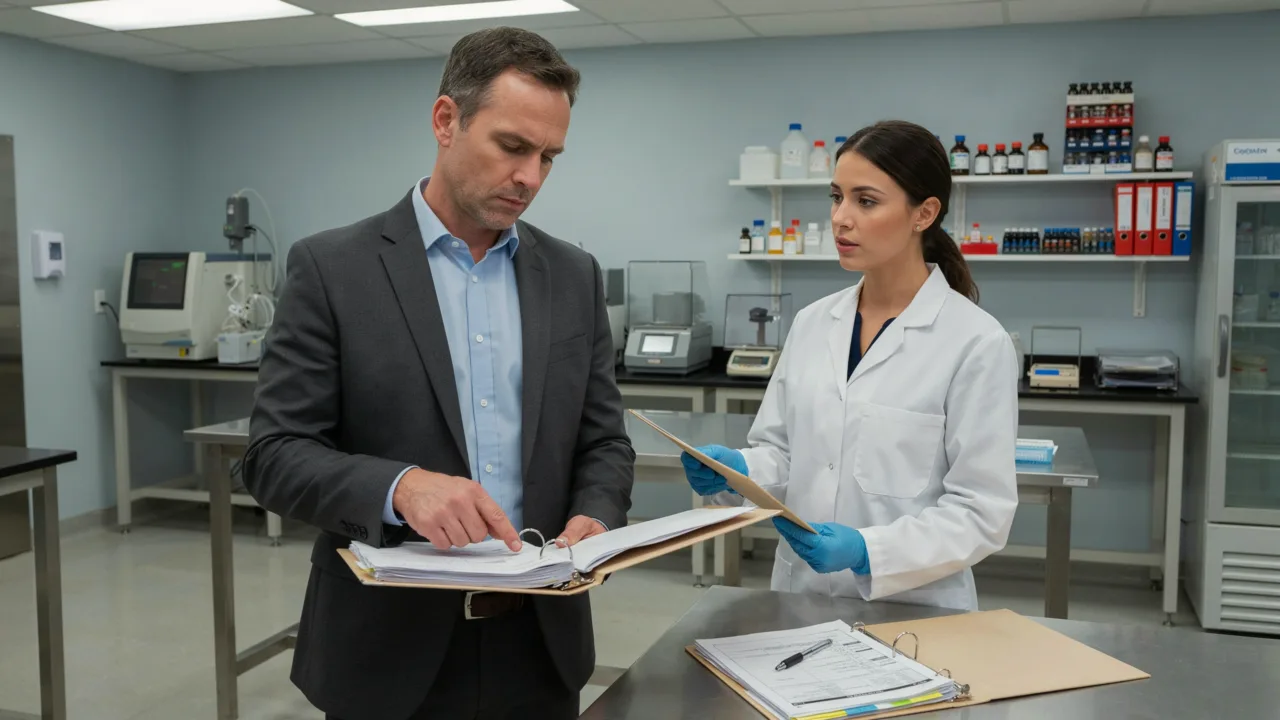
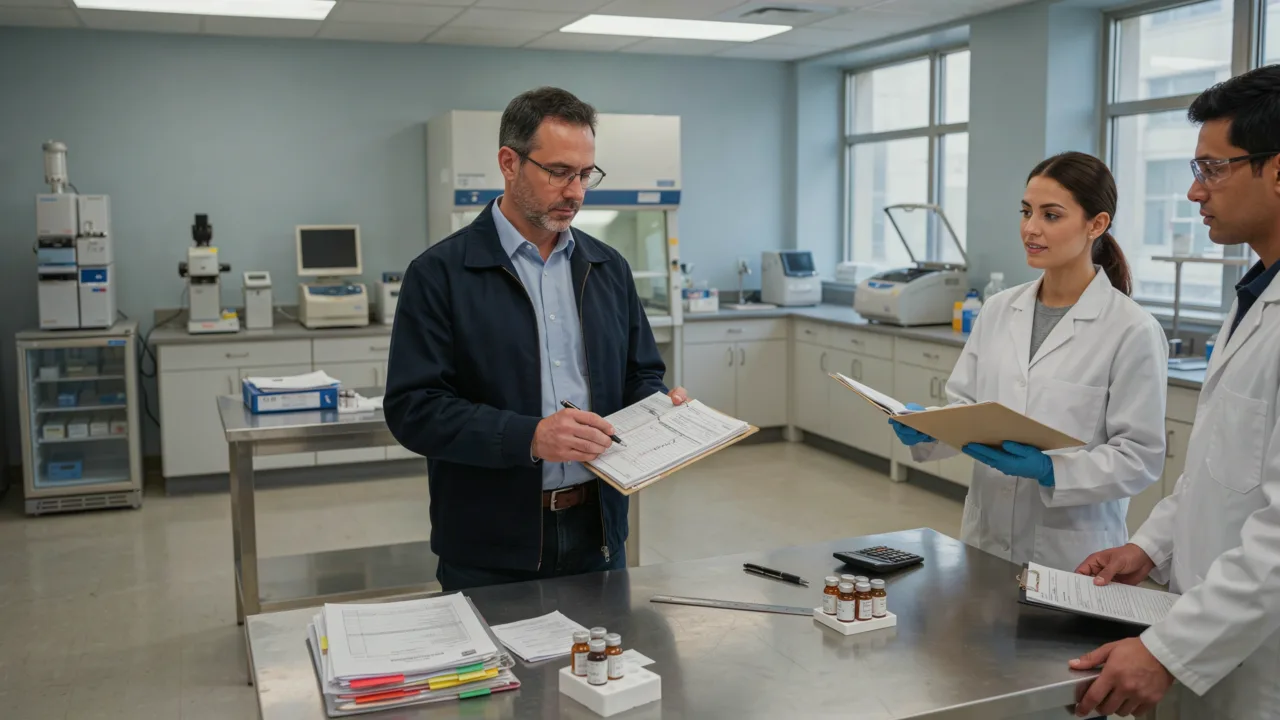
We assess your own sterile manufacturing facility against every module of Annex 1. Our auditors review your CCS, cleanroom qualification, use of barrier technology (isolators and RABS), utility monitoring, personnel gowning records, and aseptic process simulation data. We identify gaps before the regulator does.

2. Sponsor Audits of Contract Manufacturing Organisations (CMOs)

If you outsource sterile product manufacturing, you remain responsible for sterility assurance. We perform technical audits of your CMOs on your behalf. We verify their Annex 1 compliance, including sterilisation validation, filter integrity testing, bioburden controls, and environmental monitoring programmes. You receive a clear report with actionable findings.

3. Second Party Supplier Audits

Components, primary packaging materials, and single-use systems must meet the requirements of Annex 1. We audit your critical suppliers for contamination control, sterilisation processes, and quality management systems. We ensure that vendor approval is more than a paperwork exercise.


Why Choose GxP Cellators for Annex 1 Auditing Services

Our consultants are industry practitioners with direct experience in sterile manufacturing, quality assurance, and regulatory inspections. We do not just check boxes. We help you build a sustainable CCS that drives continuous improvement.

We use the actual Annex 1 guideline as our benchmark. We review airflow visualisation studies, video recordings, glove integrity testing frequencies, lyophilizer sterilisation intervals, and pre use post sterilisation integrity tests (PUPSIT) for filters. We understand the difference between alert levels and action limits and how to set them based on cleanroom qualification data.

Our reports are clear, concise, and prioritised by risk. We give you a roadmap to compliance.


How to Engage GxP Cellators for Your Annex 1 Audit

You can reach us through our website or by email.

Visit www.gxpcellators.com to learn more about our Annex 1 GMP auditing services, including in house audits, sponsor audits, and second party supplier audits.

Send inquiries to  to schedule a preliminary discussion. We will understand your specific sterile manufacturing challenges and propose a tailored audit plan.

Do not wait for a regulatory finding. Let GxP Cellators help you turn Annex 1 compliance into a competitive advantage.


30/04/2026
Radiopharmaceutical-Manufacturing-Training-Program-1280x714.webp

If you work in nuclear medicine or radiopharmacy, you already know this. Making a radiopharmaceutical is not like manufacturing regular drugs. You are not working on a batch that sits on a warehouse shelf for two years. You are working against a radioactive decay clock, often measured in minutes or hours.

I have been inside enough PET production facilities and hospital radiopharmacies to see what works and what fails. The difference between a smooth operation and a regulatory nightmare almost always comes down to one thing. A quality management system that actually fits the unique demands of radioactive drugs.

Let me walk you through the real manufacturing process first. Then I will explain why your QMS might be putting you at risk.

WHERE THE RADIOACTIVITY COMES FROM

Before anyone draws a dose or fills a vial, the radionuclide has to be produced. There are three common sources.

Cyclotrons for PET drugs. Fluorine 18, carbon 11, nitrogen 13, and oxygen 15 are all made by slamming charged particles into a target. For fluorine 18, that target is often enriched water. The cyclotron itself is not the scary part. It is the target system. If the target body has residue from a previous irradiation, or if a seal is degraded, you introduce radionuclidic impurities. I have seen batches rejected because someone skipped a target cleaning. That is an expensive mistake when your half life is 110 minutes.

Radionuclide generators. The molybdenum 99 and technetium 99m generator is the workhorse of nuclear medicine. You elute it with sterile saline, and out comes sodium pertechnetate Tc 99m. But here is what people forget. Every eluate needs to be tested for molybdenum 99 breakthrough. That limit is tiny, usually 0.15 microcuries of molybdenum 99 per millicurie of technetium 99m at the time of administration. If you do not test, or if your generator is past its useful life, you are injecting a patient with a longer lived contaminant. That is not just a quality issue. That is a patient safety issue.

Cold kits. A cold kit is a vial of non radioactive ingredients. Ligand, reducing agent, buffer. You add the radionuclide eluate, incubate, and the radiopharmaceutical is ready. Sounds simple. But the moment you deviate from the manufacturer’s instructions, different volume, different activity, longer incubation, you have left preparation and entered compounding. That triggers different rules, different beyond use dates, and different testing requirements. A lot of people miss that line.

THE ACTUAL MANUFACTURING STEPS

Once you have your radionuclide source, the real work begins. Here is what a typical production looks like in a sterile radiopharmaceutical facility.

Step 1: Assemble your components inside ISO Class 5. You need a sterile vial, a sterilizing grade filter with 0.22 micron pore size, a filling needle, and a vent needle with its own sterile filter. All of that gets assembled inside an ISO Class 5 environment. That could be a laminar airflow workbench, a biological safety cabinet, or a hot cell. If you are using a hot cell, remember that the lead shielding interrupts unidirectional airflow. You absolutely need smoke studies to prove that first air reaches the critical sites. I have walked into facilities where no one had ever done an airflow visualization inside the hot cell. That is a finding waiting to happen.

Step 2: Perform the radiolabeling or synthesis. For a kit, you aseptically add the eluate to the cold kit vial. For a PET drug, you run an automated synthesis module. Those modules are computer controlled, with cassettes, reagent vials, and purification cartridges. The software has to be validated. The day of system checks such as temperature, pressure, and valve function get recorded in the batch record. And if you change anything, a different supplier for a precursor or a new column lot, that goes through change control. I cannot tell you how many times I have seen facilities skip change control because it is the same part, just a different vendor. That is not how good manufacturing practice works.

Step 3: Sterilize by filtration. Because most radiopharmaceuticals cannot be autoclaved, they are heat sensitive and short lived, you rely on sterile filtration. The 0.22 micron filter is your last line of defense against microorganisms. After filtration, you must perform an integrity test, either bubble point or pressure decay. If that test fails, your batch is not sterile. You cannot release it unless you have a validated reprocessing step such as refiltration, and even then, you have to document everything. A failed integrity test after the product has already been administered? That is an immediate notification to the receiving facility and the prescriber, followed by a full investigation.

Step 4: Quality control testing, what you do before release and what you do after. Here is where radiopharmaceuticals get complicated. You will not have sterility results before the patient gets the dose. That is just reality when your half life is two hours. But you still have to test.

Before release, you must have:
  • Radiochemical purity, usually by thin layer chromatography or high performance liquid chromatography, with acceptance criteria like 90 percent or 95 percent.
  • Radiochemical identity, confirming that the radioactive species is what you think it is.
  • Radionuclidic purity, meaning no molybdenum 99 breakthrough in technetium 99m and no long lived contaminants in PET drugs.
  • pH and appearance, clear with no visible particles.
  • A passed filter integrity test.
After release, you run:
  • Sterility testing, which takes 14 days of incubation in fluid thioglycollate medium and tryptic soy broth.
  • Bacterial endotoxin testing, using limulus amebocyte lysate.

If either sterility or endotoxins fails after the patient received the dose, you have to notify immediately. I have seen facilities drag their feet on post release failures because they did not want to admit a problem. That is how you lose your license.

Step 5: Label, shield, and distribute. The label on the immediate container has to show the radiation trefoil symbol, the drug name and radionuclide, total radioactivity at a stated calibration time, the beyond use date, and the route of administration. For therapeutic products or blood cell labels, you also need the patient identifier. The outer shielding, which could be a lead pot or transport overpack, gets its own label with similar information plus a transport index if required by DOT or IATA.

Distribution records have to be traceable to the individual dose. If you have to recall a batch, and yes that happens, you need to know exactly which hospital and which patient received each unit within minutes. Physical return is rarely possible because the drug has decayed or been administered. Your recall is to prevent further use and notify the prescriber.

THE PART NOBODY WANTS TO TALK ABOUT: YOUR QMS

I have watched facilities spend hundreds of thousands of dollars on cyclotrons, synthesis modules, and hot cells. Then they run their quality system from a shared drive, with uncontrolled standard operating procedures and no deviation tracking.

That does not work.

A proper quality management system for radiopharmaceutical manufacturing must address several critical areas.

Conditional release. You are shipping product before sterility results are back. That means your quality system must include a procedure for conditional release, including documentation of why the release is justified, which tests are pending, and how you will notify recipients if a delayed test fails. If that procedure is not written and followed, you are releasing product without a net.

Deviation and CAPA. When a radiochemical purity result comes back at 87 percent instead of the required 95 percent, what do you do? You investigate. Was it the synthesis module? The reagent? The column? The operator? You document the root cause, decide whether the batch can be released, which is usually not, and implement corrective and preventive actions. If you do not have a disciplined CAPA system, the same deviation will happen again next week.

Change control. You want to switch from one brand of sterile filter to another. That is a change. You want to modify your synthesis method to improve yield. That is a change. You want to extend the beyond use date of a compounded preparation from 12 hours to 24 hours. That is absolutely a change, and it requires stability data and revalidation. I have seen facilities make these changes quietly, hoping no one notices. Inspectors notice.

Personnel qualification. Your aseptic technique is not just trained once. It has to be requalified. Media fill tests, in which you substitute the growth medium for the drug product and simulate the entire process, should be performed at least annually. Gloved fingertip sampling should happen at least annually too. If an operator fails a media fill, they are not allowed to continue working. They get retrained and retested. That needs to be in your QMS, and you need the records to prove it happened.

Environmental monitoring. You are required to sample viable air, non viable particles, and surfaces on a defined schedule. ISO Class 7 buffer rooms typically need viable air sampling every six months and surface sampling monthly. If an action limit is exceeded, you investigate. If you identify a microorganism, you should identify it to at least the genus level so you know whether it came from a human (e.g., Staphylococcus), a water source (e.g., Pseudomonas), or an air-handling failure (e.g., Bacillus). Then you fix the root cause. That only works if your QMS has a procedure for environmental excursions.

WHY GXP CELLATORS CONSULTANTS

You do not need generic pharmaceutical consultants who learned about radiopharmaceuticals from a webinar. You need people who understand that a hot cell is not a cleanroom bench, and that a 110 minute half life changes everything about batch release.

GxP Cellators works exclusively in the gap between complex good manufacturing practice requirements and real world radiopharmaceutical operations. Here is what we actually do.

Good Distribution Practices I GDP I GDP Auditing I


QMS Design for Radiopharmaceuticals

We build quality systems that match your specific workflow. Whether you are running a PET center with three cyclotron runs per day, a hospital radiopharmacy doing technetium 99m kit preparations, or a commercial facility manufacturing and distributing therapeutic radiopharmaceuticals like lutetium 177 DOTATATE.

We write standard operating procedures that make sense for short lived products. We set up change control that does not choke your production but also does not let critical changes slip through. We design deviation and CAPA systems that actually get used, not just filed away.

Auditing Services

We conduct internal audits, mock regulatory inspections, and gap assessments against the following standards.

We do not just hand you a list of findings. We sit with your team, explain why each finding matters in the context of your specific operation, and help you prioritize corrective actions. Then we come back to verify that the fixes worked.

A FEW FINAL THOUGHTS

Radiopharmaceutical manufacturing is not forgiving. You cannot hold a batch for two weeks while you wait for sterility results. You cannot easily retest because the product decayed. You cannot recall a dose after it has been injected.

The only thing standing between a safe, compliant operation and a serious problem is your quality management system. Not your cyclotron. Not your synthesis module. Your QMS.

If your current system has gaps, and most do, you owe it to your patients and your team to fix them before an inspector finds them for you.

Contact GxP Cellators Consultants
  • Email us directly: 
  • Visit our website: www.gxpcellators.com

Tell us what you are working on. A new PET facility. An existing radiopharmacy is preparing for an FDA inspection. A hospital trying to align with USP <825>. We will tell you honestly whether we can help and exactly what it would take.

Let us make your quality system something you are proud to show an inspector.


27/03/2026
j6VhKNUL2If27isnLnLPb-1280x725.webp

In non-clinical health and environmental safety, OECD Good Laboratory Practice (GLP) is the leading standard. For pharmaceutical, chemical, and agrochemical companies, as well as CROs, compliance with OECD GLP is essential for data integrity and acceptance by global regulatory authorities such as the FDA, EMA, and MHRA.
Maintaining GLP compliance across multiple global sites presents significant logistical and technical challenges. Ensuring consistent standards across all locations is critical for regulatory acceptance.

Who We Are

We are GxP Cellators, a consultancy specializing in GxP environments. Our focus on quality assurance and regulatory compliance helps organizations validate their GLP operations.
Unlike many consultancies that provide only guidance, we deliver hands-on execution. Our experienced auditors specialize in OECD GLP auditing, aligning regulatory expectations with operational practices.

Comprehensive OECD GLP Audit Services

Navigating the OECD principles (No. 1, No. 17, No. 22, and others) requires specialized expertise. We offer comprehensive services to protect the integrity of your non-clinical safety data, focusing on two key areas:
1. GLP Gap Assessments
Before an audit, it is essential to identify potential weaknesses. We conduct thorough GLP Gap Assessments to benchmark your processes against OECD Principles and identify discrepancies in:
  • Personnel and training records.
  • Facility design and environmental controls.
  • Equipment calibration and maintenance.
  • Test systems (biological, chemical, physical).
  • Standard Operating Procedures (SOPs) and documentation practices.
Early identification of gaps allows clients to address issues before they lead to regulatory findings or study rejections.
2. Facility and Site Audits (On Behalf of the Client)
We provide independent audit services on behalf of our clients.
Whether you outsource studies to a CRO or operate internal test sites, maintaining objectivity is essential. We serve as your surrogate Quality Assurance Unit (QAU), conducting independent audits at test facilities and sites worldwide to ensure:
  • Study Conduct: The study is performed in accordance with the protocol and OECD Principles.
  • Data Integrity: Raw data is accurately recorded, verified, and secure.
  • Facility Inspection: The physical infrastructure meets the required standards for non-clinical safety studies.
  • Subcontractor Oversight: Third-party vendors and subcontractors used by the test facility are also in compliance.
Engaging our team provides clients with an unbiased, expert perspective without the cost of maintaining a global in-house auditing team.

A Global Reach

Compliance requirements extend globally. We deploy auditors worldwide and understand local regulatory nuances while upholding the OECD framework.
Our global presence ensures your studies meet regulatory standards and that your data will withstand regulatory scrutiny.

Why Partner with Us

Given that a single data integrity issue can significantly delay product launches, our services offer distinct advantages:
  • Specialization: Our expertise is focused on GxP compliance rather than broad consulting.
  • Objectivity: As third-party auditors, we deliver unbiased findings to help you accurately assess your facilities.
  • Proactive Risk Mitigation: Our assessments and audits identify issues early, enabling timely corrective actions and reducing regulatory risk.

Contact for GLP Auditing

Regulatory approval depends on compliant data. As outsourced testing and global development increase, rigorous, independent oversight of OECD GLP facilities is essential. Ensure your test facilities and sites meet the highest standards of quality and integrity. Contact us today to discuss your OECD GLP auditing needs.
Email:

26/03/2026
CMC-QA-Services-1280x714.webp

In the rapidly evolving pharmaceutical and biotechnology sectors, sponsor companies encounter a significant challenge: maintaining comprehensive control over Chemistry, Manufacturing, and Controls (CMC) when manufacturing operations are geographically distant.
Outsourcing to Contract Development and Manufacturing Organizations (CDMOs) and Contract Manufacturing Organizations (CMOs) is a common industry practice. However, engaging a CDMO without dedicated on-site representation often leads to communication breakdowns, quality issues, and project delays.

Introducing GxP Cellators: Your End-to-End CMC Solution

GxP Cellators operates as CMC-QA Consulting’s operational division, delivering comprehensive consulting services specifically designed for sponsor companies. We recognize that a successful CMC program demands active management, technical proficiency, and consistent oversight.
We do not merely oversee operations remotely. Instead, we integrate with your team to manage the entire lifecycle of CMC operations, ensuring each manufacturing stage adheres to your quality standards and regulatory requirements.

Comprehensive Oversight at CDMO and CMO Sites

Partnering with GxP Cellators provides access to a dedicated team acting on your behalf. Our primary objective is to deliver technical and quality oversight across your supply chain.
We assume comprehensive responsibility for the following aspects:
  • End-to-End Project Management: Serving as the liaison between your sponsor team and the CDMO to ensure adherence to timelines and accuracy of technical transfer documentation.
  • On-Site Representation: Maintaining a presence on the manufacturing floor to monitor operations in real time and ensure strict adherence to established protocols and batch records.
  • Quality Assurance: Reviewing and approving deviations, change controls, and investigations directly at the site to prevent release bottlenecks.

Proactive Auditing: Protecting Your Supply Chain

Supply chain integrity is essential to the success of CMC programs. Contamination or quality failures in Key Starting Materials (KSMs) can jeopardize the entire program.
GxP Cellators eliminates uncertainty in supplier quality by conducting rigorous audits of the following:
  • Key Starting Materials (KSMs) suppliers to ensure raw material integrity from the source.
  • Active Pharmaceutical Ingredient (API) manufacturing facilities.
  • Drug Product (DP) manufacturing sites at CDMOs.
By auditing these critical points, we mitigate risks to your program before manufacturing commences.

The GxP Cellators Difference: Certified Expertise

The effectiveness of quality oversight depends on the auditor’s qualifications. Unlike general consulting firms, GxP Cellators deploys certified auditors with internationally recognized credentials.
Our team consists of IRCA (International Register of Certificated Auditors) certified professionals with extensive expertise in global Good Manufacturing Practice (GMP) regulations, including:
This global regulatory expertise ensures that, regardless of the target market, your manufacturing processes remain compliant from the outset.

Why Choose GxP Cellators?

For sponsor companies, both time and quality are critical. Engaging GxP Cellators as an intermediary between your organization and the CDMO eliminates communication inefficiencies. You benefit from:
  1. Proactive Risk Mitigation: Issues are identified and addressed in real time on the manufacturing floor, rather than being discovered retrospectively in reports.
  2. Regulatory Confidence: Audits conducted by IRCA-certified experts ensure you are inspection-ready at all times.
  3. Operational Efficiency: We manage the detailed aspects of CMC operations, enabling your internal team to concentrate on strategic objectives such as clinical development and commercialization.

Are you prepared to enhance control over your CMC operations?

Transition from remote management of CDMOs to on-site oversight. Allow GxP Cellators to ensure that your KSMs, APIs, and DPs are manufactured in accordance with the highest global standards.
Contact GxP Cellators to strengthen the security and integrity of your supply chain.

Email: 
Website: /contact/
CMC-QA Consulting and GxP Cellators: Your partners in quality, compliance, and CMC excellence.

24/03/2026
Sponsor-GLP-Audits-1280x725.webp

Integrity is essential in drug development. Pharmaceutical and biotechnology companies must ensure that non-clinical studies comply with Good Laboratory Practice (GLP) to support successful regulatory submissions.

Sponsors submitting to the FDA or an OECD Member Authority face close scrutiny of raw data, facility operations, and study conduct. Sponsor-led audits are therefore essential.

Under 21 CFR Part 58 (FDA) and OECD Principles of GLP, sponsors are responsible for the validity of nonclinical studies. However, most lack the resources or expertise to audit every testing facility or bioanalytical site internally.

As a result, many sponsors engage expert consultants to conduct GLP audits on their behalf.

Complexity of Nonclinical Study Audits

Auditing a testing facility differs significantly from routine financial or internal audits. GLP audits require in-depth knowledge of infrastructure, SOPs, and qualified staff.

  • Archives: Verify the integrity of raw data and specimens, ensuring protection from damage or unauthorized access. The QA unit must independently monitor the study.
  • Data Integrity: Cross-reference raw data, both paper and electronic, with final reports to identify inconsistencies, often using ALCOA+ principles.

Failure in any of these areas may result in a Form 483, a warning letter, or rejection of a New Drug Application (NDA).

Why Hire a Consultant to Perform GLP Audits?

Internal audits can introduce risks such as auditor fatigue or unconscious bias. Engaging, a third-party GLP auditing consultant offers these benefits:

  1. Objectivity: Unbiased review of the testing facility’s compliance.
  2. Regulatory Agility: Experienced consultants understand current priorities of global regulatory agencies.
  3. Cost Efficiency: Sponsors access targeted expertise as needed, avoiding the cost of maintaining an internal global audit team.

Introducing GxP Cellators: Your Certified GLP Audit Partners

To safeguard your nonclinical studies, engage a certified GLP auditor rather than a general consultant.

At GxP Cellators, we conduct comprehensive GLP audits for sponsors. We ensure every phase of the study, from protocol review to final reporting, meets OECD and 21 CFR Part 58 requirements.

Why GxP Cellators?

Our team includes certified GLP auditors with respected industry certifications:

By leveraging these certified professionals, GxP Cellators ensures your testing facilities and sites are inspected against the highest industry benchmarks.

When you engage GxP Cellators for a GLP audit, you can expect a rigorous process tailored to your drug development program:

  • Facility Audits: We inspect the testing facility’s infrastructure, equipment calibration, and environmental controls to ensure they support study validity.
  • Study-Based Audits: We reconstruct the study from raw data to final report, verifying every calculation, observation, and statistical analysis.
  • Vendor/Third-Party Audits: If your testing facility subcontracts bioanalytical work or toxicology services, we audit those sites to ensure end-to-end compliance.
  • Comprehensive Reporting: We provide a detailed audit report with clear classification of findings (Critical, Major, Minor) and practical corrective action plans (CAPAs) to address any gaps before regulatory submission.

Secure Your Nonclinical Data Integrity

In drug development, your nonclinical data forms the foundation of your regulatory submission. Don’t leave its integrity to chance. Partner with auditors who hold RQAP-GLP and IRCA certifications. Partner with GxP Cellators.

We ensure your CROs and testing sites are fully compliant with global standards, allowing you to focus on developing life-saving therapies.

Ready to strengthen your GLP compliance strategy?

Contact GxP Cellators today to schedule your GLP audit.

🌐 Website: /
📧 Email:


20/03/2026
GDP-QMS-1280x714.webp

Beyond the Warehouse: Elevating Your Supply Chain with a Robust GDP Audit

In the pharmaceutical industry, the journey of a product from the manufacturing line to the patient’s bedside is long and complex. While Good Manufacturing Practices (GMP) ensure the drug is manufactured to a high standard, Good Distribution Practices (GDP) guarantee that quality is maintained throughout the supply chain.

In an era of complex global logistics, temperature excursions, and the persistent threat of falsified medicines, a GDP audit is no longer just a regulatory checkbox; it is a critical shield for public health and your brand’s reputation.

But what does a world-class GDP audit entail, and how can you ensure your operations or those of your logistics partners are truly compliant and resilient?

Good Distribution Practice (GDP) Trainings

The High Stakes of Pharmaceutical Distribution

Regulatory bodies worldwide, including the WHO, PIC/S, the EU, and Health Canada, have established rigorous standards for the storage and transportation of medicinal products. These guidelines (such as PIC/S PE 011-1 and WHO TRS 992) require that products be stored under appropriate conditions, protected from contamination, and tracked meticulously to prevent diversion.

A failure in the distribution chain; a broken cold chain, a security breach, or a record-keeping error can render a perfectly manufactured drug useless or dangerous. This is where the GDP audit becomes essential. It is the diagnostic tool that examines every link in your cold chain to ensure integrity from dock to delivery.

What a GDP Audit Must Cover

An effective GDP audit goes beyond a basic warehouse walkthrough. It requires a thorough review of facilities, processes, and personnel.

  1. The Quality System: Auditors must verify that a robust Quality Management System is in place. This includes risk management protocols, a formal change control system, and a functioning CAPA (Corrective and Preventive Action) process to address deviations effectively.
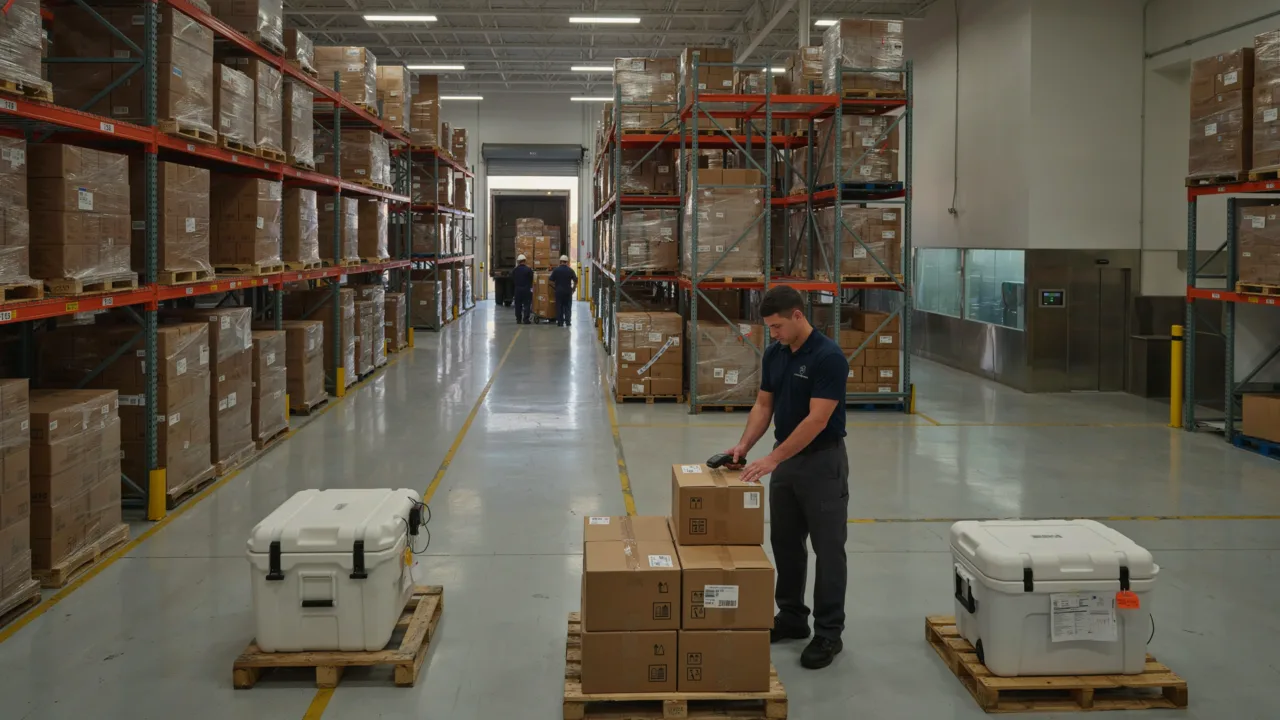
  2. Infrastructure & Validation: Owning a cold room is not sufficient; it must be properly qualified. A thorough audit reviews temperature mapping reports, calibration certificates for monitoring devices, and the qualification status of storage facilities and delivery vehicles.
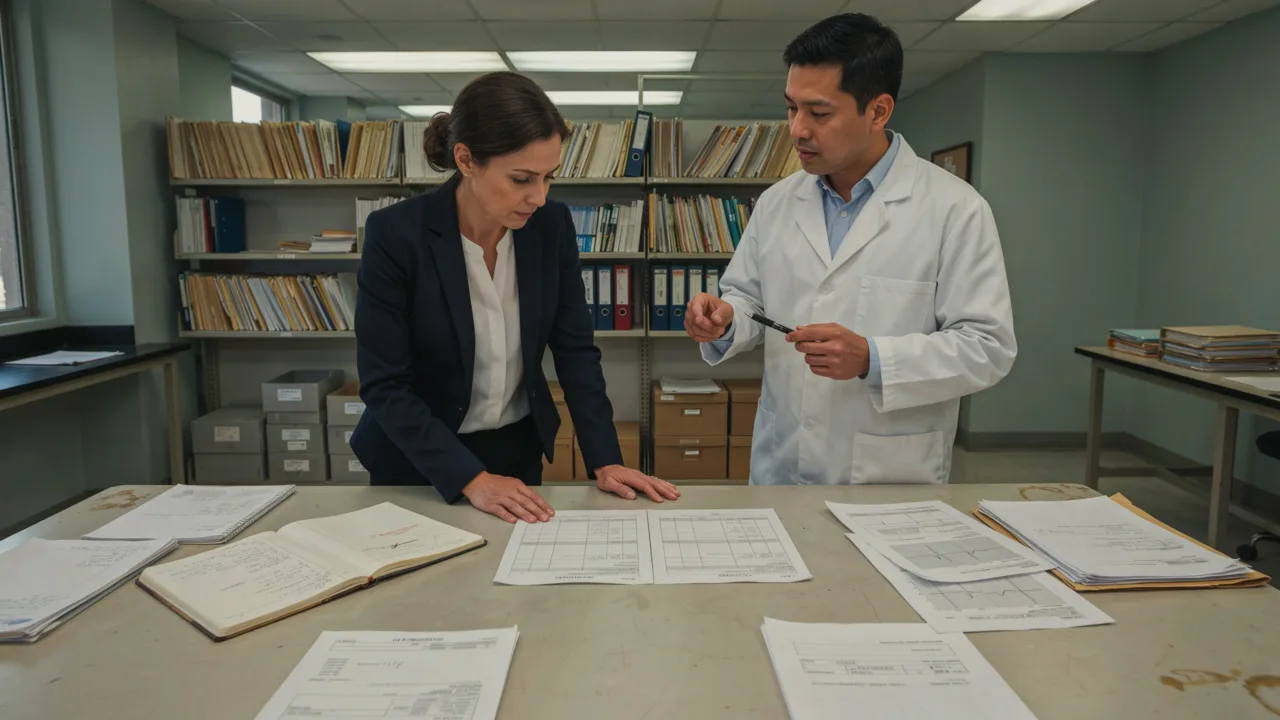
  3. Operational Integrity: This includes reviewing the key personnel and processes involved in distribution. Are suppliers and customers properly qualified? Are there clear procedures for handling returns, recalls, and suspected falsified products? Is the “First Expiry, First Out” (FEFO) principle consistently applied?
  4. Personnel Competence: Technology is effective only when staff are properly trained. A GDP audit evaluates staff training and awareness, ensuring all personnel, from warehouse operatives to the designated Responsible Person, understand their role in maintaining product quality.

Sponsor GLP Auditing

The GxP Cellators Advantage

Navigating international GDP standards requires specialized expertise. GxP Cellators provides this expertise. As a leading life sciences consulting firm, we go beyond compliance to strengthen supply chains.

We conduct comprehensive GDP audits tailored to the specific needs of manufacturers and logistics providers.

  • For Manufacturers: We ensure that your downstream supply chain partners meet your quality standards. We help you qualify third-party logistics (3PL) providers, ensuring your products remain compliant from the moment they leave your dock.
  • For Logistics Companies: We help you build client trust. Our audits verify that your facilities, vehicles, and procedures comply with global GDP standards, supporting operational excellence and attracting leading pharmaceutical clients.

Our experienced consultants take a hands-on approach to the audit process. We identify gaps and provide a clear remediation plan. Partnering with GxP Cellators ensures your distribution network is secure, compliant, and prepared for the demands of modern healthcare logistics.

Good Distribution Practices (GDP) Certifications


Contact Us

In the pharmaceutical supply chain, quality is a shared responsibility, but compliance requires expert support. A GDP audit is your strongest defense against product loss, regulatory action, and risks to patient safety.

Do not leave your supply chain’s integrity to chance.

Ensure your GDP operations are market-ready and fully compliant. Contact the experts at GxP Cellators today to schedule a consultation and learn how our auditing services can protect your products from factory to pharmacy.

Contact us at:
Visit our website: /


18/02/2026
GLP-CRO-Audits-1280x714.webp

GLP Auditing Services: Ensuring Compliance with 21 CFR Part 58 & OECD Standards

In drug development, the integrity of non-clinical data is essential. Good Laboratory Practice (GLP) ensures that safety studies submitted to regulators are credible, traceable, and reproducible.
For sponsors working with Contract Research Organizations (CROs), auditing is both a regulatory requirement and a strategic necessity. GLP compliance applies to a wide range of study types, each with distinct risks.
GxP Cellators Consultants provides independent GLP auditing services to sponsors worldwide. Our expertise in global regulations ensures your data is inspection-ready for both US and international submissions.
This blog outlines the essentials of GLP auditing, the range of studies we cover, and our systematic approach to global compliance.

What is GLP Auditing?

A GLP audit is a systematic and independent examination of a non-clinical safety study’s entire lifecycle from protocol development to the final report. The goal is to verify that the study was conducted in compliance with GLP regulations, ensuring that the data generated is of high quality and integrity.
For regulatory submissions, audits serve as a critical checkpoint to identify compliance gaps before inspection by the FDA, EMA, or OECD authorities.

The Scope of GLP Studies: Where We Audit

“GLP” encompasses a broad range of non-clinical studies evaluating product safety. GxP Cellators audits the full spectrum of these regulatory studies:
  • Toxicology Studies: The cornerstone of GLP. We audit acute, sub-chronic, and chronic toxicity studies, including rodent and non-rodent species. This involves scrutinizing necropsy records, histopathology reports, and dose formulation analyses .
  • Pharmacokinetics (PK) & Toxicokinetics (TK): We verify the accuracy of data used to determine drug exposure levels, ensuring that blood sampling times, analytical runs, and calculations are precise.
  • Bioanalytical Method Validation: We audit assay validation for drug and metabolite measurement, ensuring compliance with regulatory criteria for sensitivity, selectivity, and reproducibility.
  • Genotoxicity Studies: We audit in-vitro and in-vivo tests for genetic mutations, ensuring proper controls and cell line management.
  • Reproductive Toxicology (Segments I, II, III): We review fertility, teratology, and peri/post-natal studies, emphasizing meticulous record-keeping.
  • Carcinogenicity Studies: We provide oversight for long-term studies, focusing on animal husbandry, pathology, and data integrity.
  • Dermal and Ocular Toxicology: We audit specialized studies, including dosing techniques and irritation scoring.
  • Ecotoxicology: We ensure GLP compliance in aquatic and terrestrial toxicity tests for environmental impact assessments.

Our Global Compliance Mandate: OECD & 21 CFR Part 58

Sponsors often face challenges due to differences in international regulations. European submissions must comply with OECD GLP standards, while US submissions must comply with 21 CFR Part 58.
GxP Cellators Consultants has the expertise to harmonize both regulatory frameworks. We audit to ensure studies meet the standards of the target authority, regardless of CRO location. Our consultants identify discrepancies against the global GLP compliance standard.

The GxP Cellators 4-Step Audit Process

At GxP Cellators, we follow a rigorous, transparent, collaborative, and effective four-step methodology.

Step 1: Pre-Inspection and Checklist Development

Auditing begins long before we step onto the CRO floor. We conduct a thorough pre-inspection phase in which we review the study protocol, the CRO’s Standard Operating Procedures (SOPs), and the CRO’s previous audit history.
We develop a comprehensive, risk-based checklist tailored to your specific study, whether a 28-day rat toxicity study or a complex bioanalytical validation. The checklist covers critical areas such as:
  • Personnel training and Job descriptions.
  • Master schedule review.
  • Equipment calibration and maintenance logs.
  • Test article characterization and formulation.
  • Raw data integrity and audit trail reviews .

Step 2: Conducting the On-Site Audit

During the audit, we conduct in-depth interviews with the Study Director and Quality Assurance Unit (QAU) and observe laboratory practices to ensure they align with written procedures.
We trace data from the animal receipt log through dosing, observations, and the final pathology report, verifying strict adherence to ALCOA+ (Attributable, Legible, Contemporaneous, Original, Accurate) data integrity principles.

Step 3: Final Report Preparation

Following the audit, we compile a detailed, objective, and actionable report. Findings are categorized, and each observation is linked to the relevant regulation, helping sponsors and CROs address specific issues. The true value of an audit lies in the remediation it enables. We work with you and your CRO to review the proposed Corrective and Preventive Actions (CAPA) .
Once the CAPA plan is implemented, GxP Cellators doesn’t just walk away. We offer follow-up services to verify the effectiveness of the CAPA, ensuring that the root cause has been eliminated and that the same issue will not resurface during a future regulatory inspection.

Why Partner with GxP Cellators?

Data integrity is critical to patient safety. You need a partner who understands the scientific and regulatory nuances across the GLP spectrum.
  • Regulatory Mastery: Deep expertise in both OECD and FDA (21 CFR Part 58) guidelines.
  • Sponsor Advocacy: We audit exclusively on behalf of sponsors, ensuring your interests are protected.
  • Full Scope Coverage: From single-dose tox to reproductive toxicology and bioanalysis.
  • Global Reach: Experience auditing CROs in North America and Europe.
  • Lifecycle Partnership: From pre-audit preparation to CAPA effectiveness verification, we support you throughout the process. Ensure your GLP studies are compliant, credible, and inspection-ready.
Contact GxP Cellators Consultants to schedule a consultation or request our auditing services.
Email us at:

16/01/2026
Supplier-Qualifications-1280x714.webp

Regulatory Framework & Implementation Strategy

REGULATORY DEFINITIONS & REQUIREMENTS

U.S. FDA (Food and Drug Administration)

Definition: “A systematic approach to evaluate, approve, and monitor suppliers based on their ability to consistently provide materials, components, or services that meet predetermined quality standards and regulatory requirements under current Good Manufacturing Practices (cGMP).”
Key Regulatory References:
• 21 CFR 211.84(d)(2-3): “Components, drug product containers, and closures shall be withheld from use until… released for use by the quality control unit. Each lot shall be tested or examined for conformity with written specifications.”
• 21 CFR 211.84(a): “Tests shall be conducted on each lot of drug product to determine conformity with specifications.”
• FDA Guidance for Industry: Quality Systems Approach to Pharmaceutical CGMP Regulations (2006): “The quality system model… includes management responsibilities, resources, manufacturing operations, and evaluation activities that encompass supplier qualification.”
Why Required: To ensure pharmaceutical components meet identity, strength, quality, and purity characteristics; prevent adulteration; and maintain product safety and efficacy throughout the supply chain.

Health Canada

Definition: “A documented system to assess, select, monitor, and approve suppliers ensuring all materials meet Food and Drugs Act requirements and are obtained from evaluated sources approved by the quality control department.”
Key Regulatory References:
• Food and Drug Regulations C.02.009/C.02.015: “Every fabricator… shall have a quality control department that approves or rejects raw materials and finished products.”
• C.02.011/C.02.019: “Raw materials and packaging materials must be purchased from an approved supplier.”
• GUI-0001: Good Manufacturing Practices (2009): “There should be written procedures describing the qualification and monitoring of suppliers.”
Why Required: To protect Canadian public health by ensuring pharmaceutical products contain only materials from qualified sources that consistently meet quality standards.

EU-GMP (European Medicines Agency)

Definition: “A formalized risk-based process to evaluate supplier suitability for providing goods/services impacting medicinal product quality, safety, or efficacy, often formalized through Quality Agreements.”
Key Regulatory References:
• EudraLex Volume 4, Part I, Chapter 5.26-5.31: “There should be written procedures for the selection of starting material suppliers… Suppliers should be approved by the Quality Department.”
• Chapter 7: Outsourced Activities: “The contract giver should assess the suitability of the contract acceptor… through audit.”
• Annex 16: Certification by a Qualified Person and Batch Release: “The QP must ensure suppliers are qualified.”
Why Required: To ensure patient safety and product efficacy within the EU market by maintaining control over the entire pharmaceutical supply chain.

WHO (World Health Organization)

Definition: “A documented procedure ensuring materials are purchased only from suppliers evaluated and approved by the quality unit based on demonstrated ability to meet specifications and GMP requirements.”
Key Regulatory References:
• WHO Technical Report Series, No. 996, Annex 2 (2016), Section 14: “Starting materials should be purchased only from approved suppliers.”
• WHO Technical Report Series, No. 1019, Annex 3 (2019): “The quality system should include control of suppliers.”
• WHO GMP for Pharmaceutical Products: Main Principles: “Suppliers should be evaluated and selected based on their ability to meet specifications.”
Why Required: To ensure global medicine quality, particularly for prequalification programs and supplies to resource-limited countries, through reliable supply chains.


SUPPLIER QUALIFICATION PROCESS

PHASE 1: INITIATION AND RISK-BASED PLANNING

The qualification process begins with a risk assessment to determine the appropriate level of supplier review. Materials and services are categorized by their potential impact on product quality and patient safety. Critical materials, such as APIs, sterile components, and primary packaging, receive the most rigorous scrutiny. High-risk items include solvents, colorants, and animal-derived ingredients due to contamination risks. Medium-risk items are excipients with secondary roles or secondary packaging, while low-risk materials include office and maintenance supplies. A risk scoring system evaluates factors like patient safety, product quality, regulatory significance, process complexity, supplier location, and performance history. The total score determines whether a supplier requires a document review, a detailed questionnaire, or a full on-site audit. This approach ensures efficient resource allocation while maintaining high-quality standards across the supply chain.

PHASE 2: COMPREHENSIVE EVALUATION AND ASSESSMENT

After a supplier is selected for qualification, they receive a comprehensive Supplier Questionnaire covering legal status, company structure, facility details, and regulatory history, including inspections by agencies such as the FDA, EMA, or Health Canada. The questionnaire also addresses the supplier’s Quality Management System, including document control, training, change management, deviation handling, and corrective actions. For technical review, suppliers provide GMP certificates, product specifications, test methods, stability data, and validation reports. API manufacturers must submit Drug Master Files or Certificates of Suitability, while packaging suppliers provide extractables and leachables studies. This document review establishes the supplier’s capabilities and compliance before any on-site evaluation. The audit team, typically composed of quality and technical experts, begins with an opening meeting to outline the audit scope and objectives. The facility tour assesses material flows, storage conditions, equipment maintenance, and housekeeping. Auditors then review key systems, focusing on quality control laboratories for data integrity, method validation, and investigation procedures. Production areas are evaluated for compliance with batch records, process controls, and cleaning validation. The audit includes interviews with staff at various levels to assess training effectiveness and commitment to quality. All findings are documented and classified as Critical, Major, or Minor based on their impact. A closing meeting presents these observations, and the supplier may clarify any points before the formal audit report is issued.

PHASE 3: PERFORMANCE QUALIFICATION AND SAMPLING

Following document review and audit, performance qualification verifies that materials consistently meet required standards. Several commercial-scale batches, typically one to three, are tested against full or agreed specifications. Results are compared to qualified materials or reference standards to ensure consistency. For APIs, emphasis is placed on impurity profiles, residual solvents, and polymorphic forms. Excipients may require additional testing beyond standard specifications. Packaging materials are assessed for compatibility and, if necessary, sterilization. The supplier’s stability data is reviewed, or a new stability monitoring plan is implemented for new materials. This phase confirms the supplier’s ability to reliably provide materials that meet quality requirements during routine use and storage.

PHASE 4: APPROVAL AND ONBOARDING

With satisfactory evaluation results, the supplier moves to formal approval. This stage centers on establishing a Quality Agreement, which is a legally binding document that clearly defines the responsibilities of both parties regarding quality standards, communication protocols, change notification procedures, audit rights, and complaint handling. The agreement specifies timelines for reporting changes and outlines dispute resolution mechanisms. Concurrently, a comprehensive Supplier Qualification Package is compiled, containing all documentation from previous phases: risk assessment, completed questionnaire, audit report, testing results, and stability data. This package undergoes rigorous review by a cross-functional team including quality assurance, procurement, supply chain, and technical services. Final approval is granted by the Head of Quality or designated Qualified Person, who bears regulatory responsibility for the decision. The supplier is then formally added to the Approved Supplier List, and their details are entered into the quality management system, enabling procurement to place orders.

PHASE 5: ONGOING MONITORING AND SUPPLIER REQUALIFICATION

A continuous process. Monitoring begins immediately after approval, tracking metrics such as material rejection rates, deviations, complaints, and delivery reliability. These metrics are reviewed regularly, often quarterly, and included in the Annual Product Quality Review. The relationship is managed through ongoing communication, quality checks, and periodic reviews. Formal requalification is scheduled, typically every two to three years for key suppliers, but may be adjusted based on performance. Requalification can range from a document review to a full audit, depending on risk and previous results. Additional audits may be required for significant supplier changes, recurring quality issues, or new regulations. This ongoing oversight ensures suppliers maintain quality standards and address issues promptly, safeguarding the supply chain over time.


GxP CELLATORS CONSULTANTS & THIRD-PARTY AUDITING

About GxP Cellators Consultants

We are independent experts who conduct supplier audits for pharmaceutical companies. We provide support when companies lack resources, specialized expertise, or require objective assessments.

Our Audit Services Cover:

• GMP Audits: Manufacturing facilities (APIs, finished products)
• GLP Audits: Laboratory testing facilities
• GCP Audits: Clinical trial sites and CROs
• GDP Audits: Distribution and storage facilities

Our Auditors Have Certifications:

• ISO Lead Auditor certifications
• ASQ Certified Quality Auditor
• Former regulatory inspectors (ex-FDA, ex-EMA)
• Technical specialists in sterile manufacturing, biologics, etc.

Benefits of Using Us:
  • Objectivity: Independent view without internal bias
  • Expertise: Specialized knowledge in specific areas
  • Cost-Effective: Shared audits for multiple clients
  • Global Reach: Auditors worldwide with local language skills
  • Regulatory Insight: Knowledge of the latest requirements
How We Work:
  • Understand the client’s specific needs.
  • Develop a customized audit checklist.
  • Conduct a thorough on-site assessment.
  • Provide a detailed report with actionable findings.
  • Follow up on corrective actions.
  • Maintain confidentiality throughout


CONTACT INFORMATION

For professional supplier qualification services, please contact:
GxP Cellators Consultants
Email:


16/12/2025
EU-GMP_Sterile-Manufacturing-1280x725.webp

Sterile Product Manufacturing Under EU GMP Annex 1:

Sterile product manufacturing represents one of the most regulated and risk-critical activities within the pharmaceutical and biotechnology industries. EU GMP Annex 1 (2022 revision) has significantly raised expectations around contamination control, cleanroom design, aseptic processing, personnel practices, and sterilization validation.

This article provides a structured, practical overview of sterile manufacturing requirements under EU GMP Annex 1, covering cleanroom classifications, aseptic processing, sterilization methods, and personnel controls—key knowledge areas for GMP professionals, quality leaders, and regulatory auditors.


Cleanroom Classifications in Sterile Manufacturing

Cleanroom classification forms the foundation of contamination control strategy for sterile products. EU GMP Annex 1 defines four cleanroom grades—A, B, C, and D—based on particle and microbiological limits.

Grade A: Critical Zone for High-Risk Operations

Grade A is the most critical environment where sterile product, containers, or closures are directly exposed.

Typical applications include:

  • Aseptic filling zones

  • Stopper bowls

  • Open ampoules and vials

  • Aseptic connections

  • Blow-Fill-Seal (BFS) filling points

Key requirements:

  • Unidirectional (laminar) airflow at the working position

  • Air velocity typically 0.36–0.54 m/s in open cleanrooms

  • Lower velocities acceptable in closed isolators or glove boxes

Grade A is equivalent to ISO 5 for ≥0.5 µm particles, but functionally classified as ISO 4.8 due to the stringent ≥5.0 µm particle limit.

Grade B: Background for Grade A Operations

Grade B serves as the background environment supporting Grade A zones during aseptic preparation and filling. It must maintain higher cleanliness standards than Grades C and D and is critical for overall sterility assurance.

Grade C and Grade D: Less Critical Clean Areas

  • Grade C is used for less critical stages such as solution preparation and handling of cleaned components.

  • Grade D supports the least critical operations, including component washing and initial handling steps.


Particle and Microbial Monitoring Requirements

Particle Limits (EU GMP Annex 1)

Cleanroom compliance is evaluated both “at rest” and “in operation.”

  • Grade A: 3,520 particles/m³ (≥0.5 µm) at rest and in operation

  • Grade B: 3,520 at rest; 352,000 in operation

  • Grade C: ISO 7 at rest, ISO 8 in operation

  • Grade D: ISO 8 at rest

Particles ≥5.0 µm are particularly significant as they often indicate personnel-related contamination or airflow failures.

Microbiological Monitoring Limits

EU GMP Annex 1 establishes strict microbial limits for:

  • Active air sampling

  • Settle plates

  • Contact plates

  • Glove prints

Grade A environments require <1 cfu across all monitoring methods, reinforcing the expectation of near-sterile conditions.

Trend analysis, alert limits, and action limits are mandatory, and deviations must trigger investigations.


“At Rest” vs. “In Operation” Cleanroom States

Understanding cleanroom states is critical for compliance:

  • At Rest: Equipment installed and running, no personnel present. Used for cleanroom classification.

  • In Operation: Personnel present, equipment operating as during routine production. Used for routine environmental monitoring.

Annex 1 also introduces a 15–20 minute clean-up period to demonstrate the cleanroom’s ability to return to at-rest conditions after operations.


Aseptic Processing and Media Fill Validation

Media Fill (Process Simulation)

Media fills validate the effectiveness of aseptic processes by simulating routine manufacturing using nutrient media such as Tryptic Soy Broth (TSB).

Key requirements include:

  • Simulation of worst-case conditions

  • Inclusion of all critical steps and interventions

  • Three consecutive successful runs during initial validation

  • Routine revalidation twice per year per shift and process

Acceptance criteria are stringent, with zero growth as the target. Any contamination requires investigation, root cause analysis, and potential revalidation.


Interventions and Aseptic Techniques

Interventions are any actions that breach the first air barrier.

  • Minor interventions: Routine, pre-approved

  • Major interventions: Non-routine, higher risk

EU GMP Annex 1 emphasizes:

  • Minimizing interventions

  • Proper operator positioning

  • Slow, deliberate movements

  • No reaching over exposed sterile product

All interventions must be evaluated during media fills.


Advanced Technologies: Isolators and Blow-Fill-Seal

Isolator Technology

Isolators provide Grade A conditions internally while operating in background environments as low as Grade D.

Benefits include:

  • Reduced human intervention

  • Lower contamination risk

  • Improved sterility assurance

Routine leak testing, glove integrity testing, and internal environmental monitoring are mandatory.

Blow-Fill-Seal (BFS) Technology

BFS is a fully automated process where containers are formed, filled, and sealed in one continuous operation.

  • Aseptic BFS may operate in Grade C with effective Grade A air protection

  • Terminally sterilized BFS products require at least Grade D environments

Proper qualification, CIP/SIP validation, and operator training remain critical.


Sterilization Methods in Sterile Manufacturing

EU GMP Annex 1 recognizes multiple sterilization approaches:

  • Moist Heat (Autoclaving): Preferred method; validated using Geobacillus stearothermophilus

  • Dry Heat: Used for glassware and depyrogenation

  • Radiation: Suitable for heat-sensitive materials

  • Ethylene Oxide (EtO): For complex, heat-sensitive devices with strict safety controls

  • Filtration: For heat-sensitive solutions using 0.22 µm filters

Sterilization processes require full IQ, OQ, and PQ, with routine cycle monitoring and defined revalidation triggers.


Personnel, Gowning, and Behavioral Controls

Personnel remain the greatest contamination risk in sterile manufacturing.

Training and Qualification

Operators must undergo:

  • Initial GMP and aseptic technique training

  • Regular requalification (6–12 months)

  • Media fill participation

  • Continuous assessment of performance

Gowning Requirements by Grade

  • Grade D: Basic protective clothing

  • Grade C: Low particle-shedding suits

  • Grade A/B: Sterile garments, masks, gloves, and footwear with strict gowning discipline

Gloves must be regularly disinfected during operations and replaced at defined intervals.


Conclusion

EU GMP Annex 1 establishes a modern, risk-based framework for sterile product manufacturing, emphasizing contamination control, advanced technologies, robust monitoring, and highly trained personnel. Compliance is no longer limited to meeting numerical limits—it requires demonstrable control, scientific justification, and continuous improvement.

Organizations that align their facilities, processes, and training programs with Annex 1 expectations significantly strengthen their sterility assurance and regulatory readiness.


Looking to strengthen your Annex 1 compliance or sterile manufacturing training programs?
GxP Cellators provides expert GMP training, gap assessments, and regulatory support across sterile manufacturing operations. Contact us to learn more.


10/12/2025
FDA-Unannounced-Inspections-1280x698.webp

FDA Announces Expanded Use of Unannounced Inspections: Is Your Facility Ready?

https://www.fda.gov/news-events/press-announcements/fda-announces-expanded-use-unannounced-inspections-foreign-manufacturing-facilities


A New Era of Regulatory Scrutiny

In a significant move to strengthen global pharmaceutical quality oversight, the U.S. Food and Drug Administration (FDA) recently announced the expanded use of unannounced inspections at foreign manufacturing facilities. This policy shift signals a new era of regulatory scrutiny for pharmaceutical manufacturers worldwide, particularly those supplying the U.S. market.

The FDA’s decision reflects growing concerns about quality inconsistencies and data integrity issues at some international manufacturing sites. With over 40% of finished medications and approximately 80% of active pharmaceutical ingredients used in the U.S. originating from overseas facilities, this intensified oversight represents a critical development for global supply chains.

Quality Assurance Consultants | Quality Consultants | GMP


Understanding the New Inspection Landscape

What does “expanded unannounced inspections” mean in practice?

Unlike scheduled inspections where facilities have weeks or months to prepare, unannounced inspections occur without prior notification. FDA investigators arrive at manufacturing sites unexpectedly to observe operations under normal working conditions. This approach allows regulators to:

  • Assess day-to-day compliance with Current Good Manufacturing Practices (cGMP)

  • Evaluate data integrity in real-time

  • Observe true facility conditions without “inspection-ready” preparations

  • Identify potential quality issues that might be concealed during scheduled visits

Key areas of focus during these inspections include:

  • Data integrity and ALCOA+ principles

  • Environmental monitoring systems

  • Quality management systems effectiveness

  • Supplier qualification and management

  • Deviation and investigation processes

  • Training program adequacy

The Rising Risk of FDA Form 483 Observations

With unannounced inspections becoming more frequent, manufacturers face increased risk of receiving FDA Form 483 observations—the official notice listing conditions that may constitute violations of the Food, Drug, and Cosmetic Act. These observations, if not properly addressed, can escalate to Warning Letters, import alerts, or consent decrees, potentially disrupting supply and damaging reputations.

Recent FDA data reveals that data integrity issues, inadequate quality systems, and environmental monitoring deficiencies remain the most common findings during foreign facility inspections. The unpredictability of unannounced visits makes it challenging for facilities to maintain constant readiness.

GMP Remediation Projects | Canadian GMP | GMP Inspections


How GxP Cellators Ensures Continuous Compliance Readiness

At GxP Cellators, we understand that true compliance isn’t about preparing for inspections—it’s about maintaining excellence every day. Our specialized approach helps pharmaceutical manufacturers achieve and sustain inspection readiness, even under the new unannounced inspection paradigm.

Our Comprehensive GMP Readiness Program

1. Gap Analysis and Risk Assessment
We conduct thorough evaluations of your quality systems against FDA expectations and ICH guidelines, identifying vulnerabilities before regulators do.

2. Data Integrity Framework Implementation
Our experts help establish robust data governance programs that meet ALCOA+ principles, ensuring data reliability throughout the product lifecycle.

3. Quality System Enhancement
We strengthen your quality management systems, focusing on effective deviation management, change control, and CAPA processes.

4. Staff Training and Culture Development
Beyond procedural training, we foster a quality culture where every team member understands their role in maintaining compliance.

GMP Consultants I GMP Consulting Services | GMP Consulting


The Power of Mock FDA Audits

One of our most effective tools for preparing for unannounced inspections is our comprehensive mock audit program. These realistic simulations provide invaluable benefits:

Realistic Scenario Testing
Our former FDA investigators and industry veterans conduct surprise mock audits that mirror actual FDA inspection protocols, giving your team authentic experience responding to unannounced visits.

Identification of Hidden Vulnerabilities
We uncover issues that might go unnoticed in day-to-day operations but would be flagged during actual inspections.

Staff Confidence Building
Teams that have experienced realistic mock audits respond more calmly and effectively during actual regulatory visits.

Corrective Action Verification
We verify that your corrective actions truly address root causes and prevent recurrence.

Documentation Review Under Pressure
We assess how documentation systems perform when accessed unexpectedly, identifying potential retrieval or integrity issues.

Case Study: Preventing 483 Observations Through Proactive Preparation

One of our clients, a mid-sized API manufacturer in Asia, faced recurring issues with environmental monitoring documentation. Through our mock audit program, we identified gaps in real-time data recording and review processes. After implementing our recommended changes and conducting three unannounced mock inspections over six months, the facility successfully completed an actual FDA inspection with zero observations—a first in their company’s history.

Practical Steps to Prepare for Unannounced Inspections

Based on our experience helping manufacturers navigate regulatory expectations, we recommend these essential steps:

  1. Implement a 24/7 Inspection Readiness Protocol
    Designate an inspection team available at all times with defined roles and responsibilities.

  2. Conduct Regular Internal Surprise Audits
    Move beyond scheduled internal audits to truly test readiness.

  3. Strengthen Document Control Systems
    Ensure all documents, especially quality records, are complete, accurate, and readily retrievable.

  4. Enhance Employee Training
    Train staff on how to appropriately interact with investigators and what to expect during unannounced visits.

  5. Establish a Robust Communication Plan
    Develop clear protocols for notifying management and quality personnel when inspectors arrive.

  6. Maintain Inspection Logistics
    Keep an inspection room prepared and necessary documentation accessible at all times.

The Future of Global Pharmaceutical Oversight

The FDA’s expanded unannounced inspection program represents a fundamental shift toward more dynamic, risk-based oversight. This approach likely signals similar moves by other global regulatory agencies in the coming years. Manufacturers who proactively strengthen their compliance posture today will be better positioned for long-term success in an increasingly scrutinized global market.

Partner with GxP Cellators

Don’t wait for an unannounced inspection to reveal vulnerabilities in your quality systems. GxP Cellators offers tailored solutions to help your facility maintain constant readiness. Our combination of regulatory expertise, practical industry experience, and proven methodologies ensures you’re prepared for whatever—and whenever—regulators arrive.

Contact us today to schedule a confidential consultation about your inspection readiness program and learn how our mock audit services can help you avoid costly 483 observations.

Contact – GxP Cellators Consultants Ltd | Depyrogenating Tunnel


About GxP Cellators: With over 15 years of specialized experience in pharmaceutical compliance, GxP Cellators provides comprehensive consulting services to help manufacturers worldwide achieve and maintain regulatory readiness. Our team of former FDA investigators, quality executives, and industry experts brings practical solutions to complex compliance challenges.

GxP Cellators | Cleanroom Consultants | HVAC | Cleanrooms


Our Presence


Saskatchewan, Canada

Calgary, Canada

Toronto, Canada

North Carolina, USA

Frankfurt, Germany


Indiana, USA

Get in Touch


+1 (306) 715 -9460


Saskatchewan, Canada

https://www.gxpcellators.com


You cannot copy content of this page

Verified by MonsterInsights