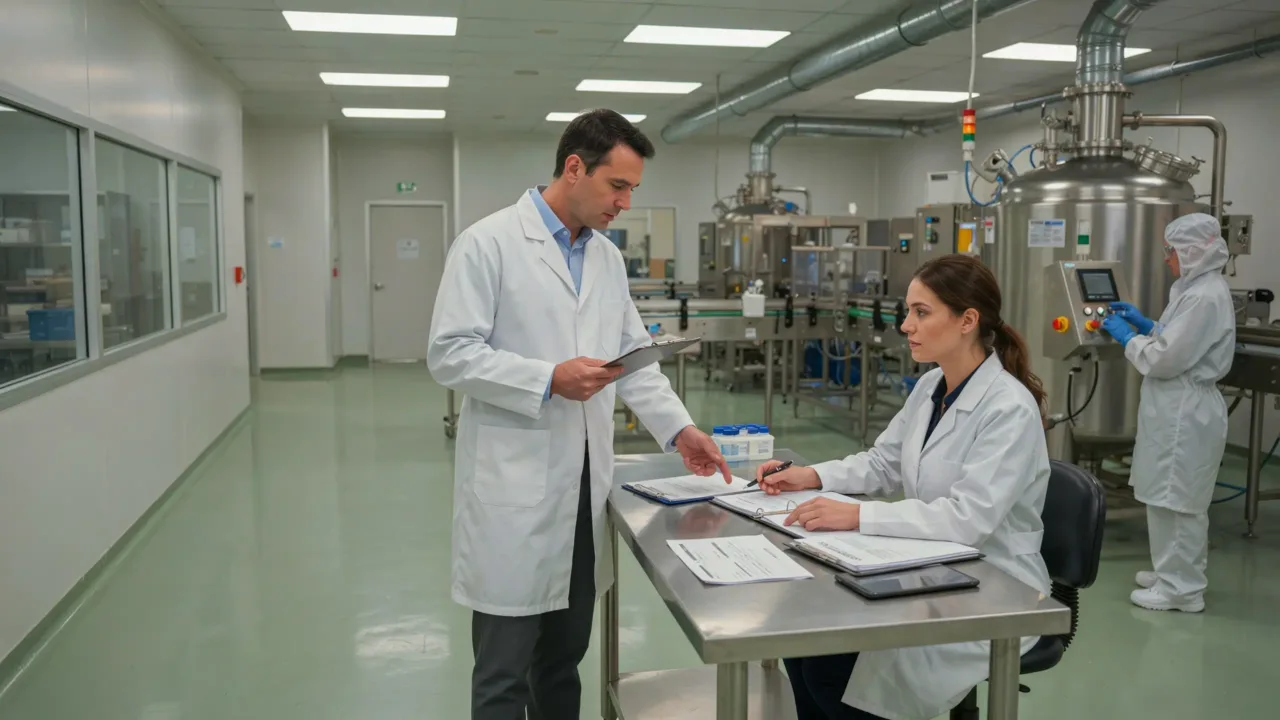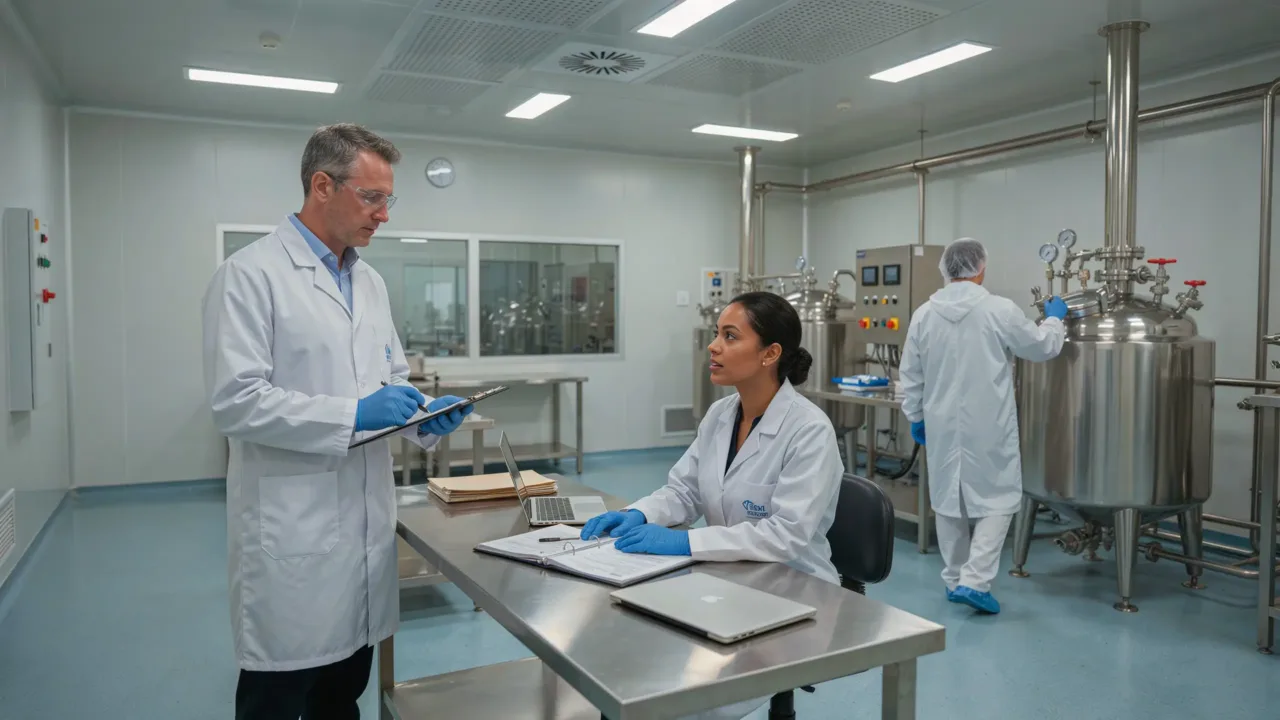

What Third Party GMP Audit Services Are
Third party GMP audit services are audits performed by an external organization that has no operational stake in the audited entity. That independence is the defining feature. The auditor does not report to the plant manager, does not depend on the site for future work, and has no reason to soften findings. What you get is an honest assessment.
Independence matters because internal audits, however well intentioned, operate within a web of relationships. People work together every day. Findings can be softened to avoid conflict. A third party auditor sits outside that web and can say what needs to be said. That does not mean the auditor is harsh. Good third party auditors are direct but constructive, and they explain findings in a way that helps the site improve.
Third party audits are also useful when you need to demonstrate oversight to a regulator, a partner, or an investor. An independent report carries weight that an internal memo cannot match.
Why Independence Is Regulatorily Meaningful
EU GMP Chapter 9 and Self Inspection
Chapter 9 of EudraLex Volume 4 requires a documented self inspection program with defined frequency and follow up. Internal self inspection is required, but independent third party audits strengthen the program and provide external benchmarking. Many companies present a combination of internal and external audits to regulators as evidence of a robust program.
FDA 21 CFR 211.22 and Quality Unit Independence
The quality unit must have the authority to carry out its responsibilities. An independent auditor can assess whether that authority is genuinely exercised without undue commercial pressure. This is a sensitive area, and an outside perspective helps. Data integrity expectations under 21 CFR 211.68 and related sections also benefit from independent review.
ICH Q10 and Management Review Assurance
Third party audit results give management credible assurance data for decision making. When the audit is independent, the data carries more weight in management review.
Health Canada and MHRA Perspectives
Health Canada GUI-0001 addresses training requirements and supervisory qualifications, which an independent auditor can assess objectively. The MHRA Orange Guide treats Pharmaceutical Quality System compliance as a hot topic, and independent audits provide evidence of genuine self scrutiny.
PIC/S and WHO Guidance on Audit Programs
PIC/S is an international arrangement between regulatory authorities that develops harmonized GMP standards and provides inspector training. The PIC/S Guide PE 009 is used by many authorities as their GMP standard. The WHO guidelines, published in the Technical Report Series, reinforce the value of independent oversight. Both inform how we structure our audits.
Our Third Party Audit Approach
Independence and Conflict of Interest Safeguards
We screen for conflicts before accepting an engagement. If we have worked with the audited site in a way that could compromise independence, we say so and decline. Complete confidentiality and conflict of interest management are part of every engagement.
Risk Based Audit Planning
We plan around the risks that matter to your products and markets, not around a generic checklist. Scope definition, standard selection, document review, and agenda agreement happen before fieldwork begins.
Evidence Based Execution
We collect evidence, not impressions. Findings are backed by records, observations, and interviews. Our fieldwork includes facility tours, interviews, document review, and sample tracing.
Regulatory Cited Reporting
Each finding is linked to the specific regulation or guidance that applies. That makes the report useful for both remediation and inspection preparation. Findings are risk ranked and include CAPA recommendations.
CAPA Support and Re Audit Options
We can help you build corrective actions and return later to confirm they worked. Follow up includes CAPA review, effectiveness check, and closure verification, with a closure letter or re audit as the output.
The Audit Types We Provide
Internal GMP Audits
We can conduct internal audits on your behalf or train your team to perform them effectively. Internal audits cover all aspects of your quality system and manufacturing operations, typically conducted annually with more frequent audits for high risk areas.
Supplier and Vendor GMP Audits
We verify that raw material, component, and service providers meet GMP requirements, before qualification, periodically during the relationship, and when significant changes occur.
Contract Manufacturing Organization Audits
We audit CMOs on your behalf, covering quality agreements, change control, deviation and complaint handling, batch record review, release timelines, capacity, business continuity, and subcontractor oversight.
Pre Approval Inspection Readiness Audits
We conduct mock Pre Approval Inspections that simulate the actual inspection experience, reviewing facilities, systems, and documentation as an inspector would, and identifying gaps that could lead to findings or delays.
For Cause Audits
Triggered by product quality complaints, adverse event reports, regulatory observations, or significant deviations, these audits investigate root causes, assess the extent of the issue, and recommend corrective and preventive actions.
Follow Up and CAPA Verification Audits
We verify that CAPAs have been effectively implemented and that issues have been resolved, providing closure documentation and helping prevent recurrence.
Mock Regulatory Inspections
We simulate the tone and pressure of a real health authority inspection, preparing your team and identifying gaps before the regulator does, with realistic questioning and document review.
Introducing GxP Cellators for Third Party GMP Audits
GxP Cellators is built for independent auditing. Our auditors bring regulatory inspection and industry quality experience across sterile manufacturing facilities, non sterile manufacturing facilities, contract manufacturing organizations, quality systems and validation, and batch release and inspection readiness.
We cover FDA, EMA, Health Canada, MHRA, WHO, and PIC/S GMP frameworks, with global reach and regional expertise across North America, Europe, Asia Pacific, Africa, and Latin America. Our presence includes Saskatchewan, Calgary, and Toronto in Canada, North Carolina and Indiana in the United States, and Frankfurt in Germany.
Our process keeps you informed at every stage. Planning includes scope definition, standard selection, document review, and agenda agreement, producing an audit plan and pre audit questionnaire. The opening meeting covers introductions, scope confirmation, logistics, and confidentiality. Fieldwork includes facility tour, interviews, document review, and sample tracing. The closing meeting summarizes findings, discusses classification, and agrees next steps. Reporting delivers a formal audit report with risk ranking and CAPA recommendations. Follow up covers CAPA review, effectiveness check, and closure verification.
We work with pharmaceutical manufacturers, biotechnology companies, medical device manufacturers, CMOs, CROs, API manufacturers, packaging companies, distribution companies, regulatory authorities, and investment firms conducting due diligence.
Benefits of Third Party GMP Audits
Unbiased Findings
An auditor with no stake in the outcome can report what they see without pressure.
Regulatory Credibility
Independent reports carry weight with regulators and partners, and they demonstrate genuine self scrutiny.
Specialized Expertise on Demand
You get access to auditors who have worked across many operations and know what good practice looks like.
Scalable Audit Capacity
Third party audits let you expand audit coverage without expanding headcount, which is useful for multi site programs and supplier portfolios.
Global Coverage
With presence across North America and Europe and partner support elsewhere, we can cover suppliers and sites in multiple regions.
Engage an Independent GMP Auditor
Visit https://www.gxpcellators.com/gmp-auditing/ to see our full service offering. Email or use https://www.gxpcellators.com/contact/ to start a conversation.
Frequently Asked Questions About Third Party GMP Audits
What makes a third party audit different from an internal audit?
A third party audit is performed by an organization with no operational stake in the audited entity. Internal audits are performed by employees. The independence of a third party audit reduces bias and carries more weight with regulators and partners.
Do regulators accept third party audits?
Regulators generally view third party audits positively as part of a robust audit program. The self inspection obligation remains with the company, but independent audits strengthen the program and provide external benchmarking.
How do you manage conflicts of interest?
We screen for conflicts before accepting an engagement. If we have worked with the audited site in a way that could compromise independence, we say so and decline.
Can you conduct a mock regulatory inspection?
Yes. We simulate the tone and pressure of a real health authority inspection, covering all aspects of your operations and documentation with realistic questioning and document review.
What is a for cause audit?
A for cause audit is triggered by a specific event such as a product quality complaint, adverse event report, regulatory observation, or significant deviation. We investigate root causes, assess the extent of the issue, and recommend corrective and preventive actions.
Do you provide follow up after an audit?
Yes. We conduct follow up and CAPA verification audits to confirm that corrective actions have been implemented and are effective, providing closure documentation.
How long does a third party audit take?
It depends on scope. A focused audit may take a few days, while a full facility audit can take two weeks or more. We agree the timeline before work begins.
How do I request a third party GMP audit?
Email or use https://www.gxpcellators.com/contact/. Our services are described at https://www.gxpcellators.com/gmp-auditing/.