
GMP regulatory compliance audits findings Archives | GxP Cellators Consultants Ltd.

23/10/2026
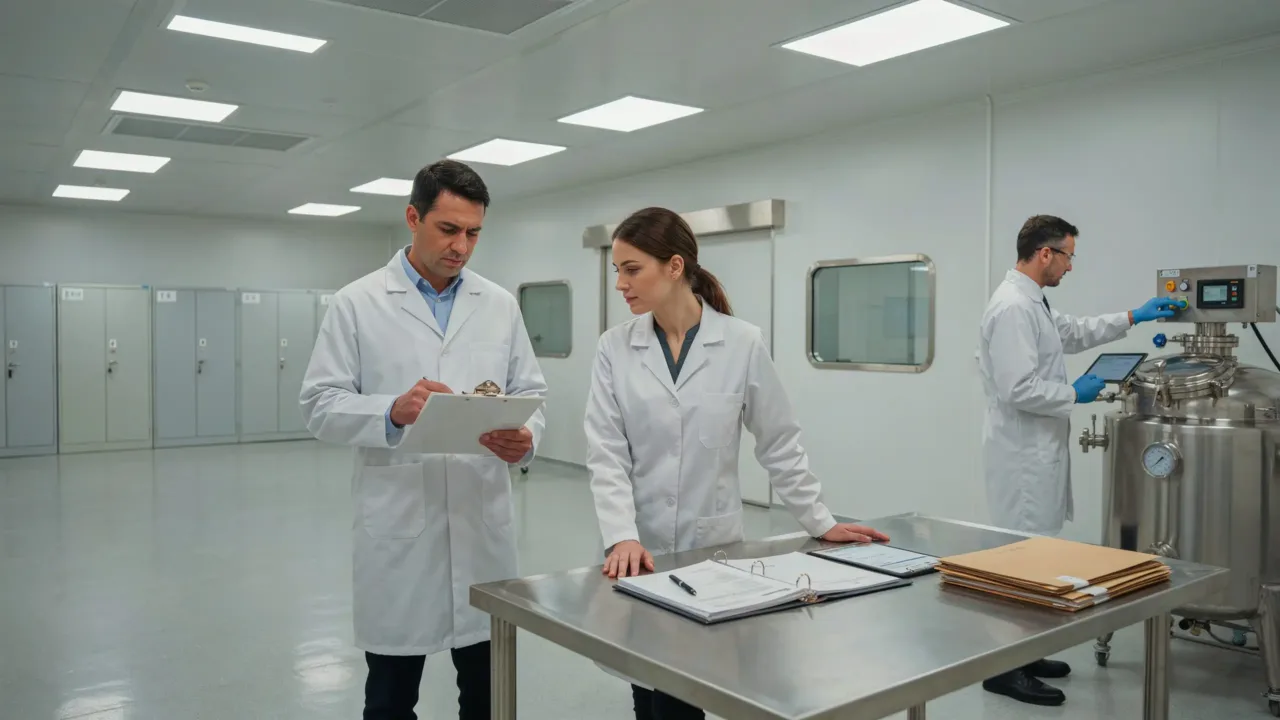
prepare-GMP-regulatory-compliance-audit-1280x720.webp

Introduction

Preparing for a GMP regulatory compliance audit requires careful planning, accurate documentation, trained personnel, and effective quality management systems. Pharmaceutical companies must ensure that their processes, facilities, equipment, and records meet applicable Good Manufacturing Practices (GMP) requirements.

A regulatory compliance audit helps identify weaknesses that could affect product quality, patient safety, and regulatory compliance. Proper preparation also allows organizations to respond confidently to auditor questions and provide accurate evidence of their procedures.

Whether your organization operates in pharmaceutical manufacturing, biotechnology, or another regulated industry, a structured preparation plan can make the audit process more manageable. This guide explains how to prepare for a GMP regulatory compliance audit, review essential documents, assess facility readiness, and address compliance gaps before an inspection.

GxP Cellators supports organizations with GMP auditing services, gap assessments, documentation reviews, mock audits, and regulatory compliance preparation.

What Is a GMP Regulatory Compliance Audit?

A GMP regulatory compliance audit evaluates whether an organization follows applicable Good Manufacturing Practices and maintains appropriate controls over its manufacturing and quality processes.

Depending on the purpose and scope, an audit may examine quality management systems, production activities, laboratory operations, equipment maintenance, personnel training, data integrity, and documentation practices.

Regulatory inspections and independent GMP audits are not always the same. A regulatory inspection is conducted by an authorized regulatory agency, while an independent or internal audit helps an organization evaluate compliance and identify potential weaknesses.

Preparing for either activity requires reliable records, clear procedures, trained employees, and evidence that quality issues are properly investigated and resolved.

Why Is GMP Regulatory Audit Preparation Important?

Effective GMP regulatory audit preparation helps organizations identify compliance problems before they become serious issues. It also improves communication between departments and encourages employees to follow approved procedures consistently.

Here are some key benefits of preparing in advance:

  • Improved compliance: Identifies gaps between existing practices and applicable GMP requirements.
  • Better documentation: Ensures records are complete, accurate, traceable, and readily available.
  • Reduced inspection risks: Helps organizations address potential deficiencies before an inspection.
  • Stronger quality systems: Supports effective deviation management, CAPA, and change control.
  • Confident employees: Prepares staff to explain their responsibilities and demonstrate established procedures.
  • Better product quality: Strengthens controls that help protect product quality and patient safety.

A well-planned approach also reduces last-minute pressure and helps management allocate resources to the areas that need the most attention.

Step 1: Conduct a GMP Gap Assessment

The first step is to understand your organization’s current compliance status. A GMP gap assessment compares existing systems and practices with applicable regulatory requirements and internal quality standards.

Start by reviewing your quality management system, manufacturing processes, laboratory activities, and supporting documentation. Identify areas where procedures are missing, records are incomplete, or actual practices do not match approved procedures.

During the assessment, review:

  • Quality management systems and standard operating procedures.
  • Manufacturing and laboratory controls.
  • Deviation investigations and CAPA records.
  • Equipment qualification, calibration, and maintenance.
  • Personnel training and competency records.
  • Data integrity controls and record management.
  • Supplier qualification and oversight.
  • Facility cleanliness and environmental controls, where applicable.

After identifying gaps, classify them according to their potential impact on product quality, patient safety, and compliance. Develop corrective action plans with clear responsibilities, realistic deadlines, and suitable effectiveness checks.

A risk-based approach helps teams focus on critical issues instead of treating every finding as equally important.

Step 2: Review and Update GMP Documentation

Documentation is one of the most important areas during a GMP regulatory compliance audit. Auditors may review records to verify that activities are performed according to approved procedures and that decisions can be traced to reliable evidence.

Before an audit, ensure that important documents are current, approved, accessible, and consistent with actual operations.

Essential Documents to Review

Quality manual and standard operating procedures (SOPs): Check that procedures reflect current practices, have the required approvals, and are available to relevant employees.

Batch manufacturing and packaging records: Verify that records are complete, properly reviewed, and consistent with approved manufacturing instructions.

Laboratory and analytical records: Review test results, calculations, instrument records, and investigation documentation for accuracy and traceability.

Deviation and CAPA records: Confirm that deviations are investigated, root causes are assessed, corrective actions are documented, and effectiveness is evaluated where required.

Change control records: Ensure that changes to equipment, processes, materials, software, or procedures are assessed, approved, and implemented through the established system.

Training records: Verify that employees have completed the training required for their roles and that relevant competency requirements are met.

Equipment records: Review calibration, preventive maintenance, qualification, and repair documentation.

Supplier documentation: Check approved supplier lists, qualification records, relevant agreements, and supplier performance reviews.

Do not create or modify records simply to make them appear audit-ready. Any correction or update must follow the organization’s approved documentation procedures, preserve traceability, and comply with applicable recordkeeping requirements.

Step 3: Check Facility and Equipment Readiness

The condition of the facility can affect both product quality and GMP compliance. Before an audit, inspect relevant production areas, laboratories, storage locations, and support facilities.

Confirm that the facility is clean, orderly, and maintained according to approved procedures. Review equipment status and verify that instruments requiring calibration or qualification have appropriate records.

Important areas to check include:

  • Cleaning and sanitation procedures.
  • Equipment calibration and preventive maintenance.
  • Equipment qualification and validation records, where applicable.
  • Temperature and environmental monitoring records.
  • Pest control programs.
  • Material and product storage conditions.
  • Waste handling and material movement.
  • Personnel and material flows in controlled areas.
  • Cleaning records and maintenance activities.

For cleanrooms and other controlled environments, review applicable environmental monitoring, contamination control, and cleaning requirements.

If deficiencies are identified, document them and assign suitable corrective actions. Avoid relying on visual appearance alone; the organization should be able to demonstrate that its facility and equipment controls are effective and supported by appropriate records.

Step 4: Prepare and Train Your Team

Employees play an important role in GMP audit readiness because they must understand their responsibilities and follow approved procedures consistently.

Before the audit, explain the audit scope, expected activities, and responsibilities of relevant departments. Ensure that employees understand the procedures related to their work and know where to find the records they maintain.

Training should cover:

  • Relevant GMP requirements and internal procedures.
  • Documentation practices and data integrity.
  • Deviation reporting and escalation.
  • Equipment operation and cleaning responsibilities.
  • Product quality and contamination prevention.
  • Department-specific roles and responsibilities.

Employees should answer auditor questions honestly and clearly. They should describe their actual responsibilities and explain the procedures they follow rather than memorizing scripted answers.

If an employee does not know the answer, they should acknowledge the limitation and seek assistance from the appropriate person. They should never guess, conceal information, or provide unsupported explanations.

Management should also ensure that relevant subject matter experts are available to explain technical processes and provide supporting records when required.

Step 5: Conduct a Mock GMP Regulatory Compliance Audit

A mock GMP audit simulates selected aspects of an actual audit or inspection. It helps organizations test their readiness, identify weaknesses, and improve how they retrieve records and explain procedures.

The mock audit should follow a defined scope based on the organization’s operations, risk profile, and applicable regulatory requirements.

During the exercise, reviewers can assess:

  • Availability and accuracy of documentation.
  • Implementation of approved SOPs.
  • Effectiveness of deviation investigations and CAPA.
  • Data integrity and record traceability.
  • Employee understanding of GMP responsibilities.
  • Facility and equipment controls.
  • Supplier qualification and oversight.
  • Management of previously identified findings.

Document each finding clearly, including the evidence reviewed, the potential compliance impact, and the recommended next steps.

After the mock audit, discuss the findings with the responsible departments. Assign owners and target dates for corrective actions, then verify that the actions address the underlying problems.

A mock audit should identify genuine weaknesses, not simply confirm that existing procedures are available. Its value comes from testing whether those procedures are followed effectively in practice.

Step 6: Review CAPA and Previous Audit Findings

Previous audit findings can indicate areas that need additional attention. Before a new regulatory compliance audit, review outstanding observations, previous inspection findings, and corrective and preventive action records.

For each significant finding, confirm that the organization has:

  1. Documented the issue and its potential impact.
  2. Investigated the root cause using an appropriate method.
  3. Defined corrective actions to address the identified problem.
  4. Considered preventive measures where appropriate.
  5. Assigned responsibilities and completion dates.
  6. Evaluated effectiveness when required by the CAPA process.

Simply marking an action as complete does not always demonstrate that the underlying issue has been resolved. Supporting evidence should show that the corrective action was implemented and that the relevant controls are working as intended.

If an action remains open, document its current status, the reason for the delay, the associated risk, and the planned completion date. Escalate significant unresolved issues through the appropriate quality management process.

Step 7: Check Data Integrity and Record Controls

Data integrity is an important consideration in pharmaceutical GMP compliance. Records must be reliable and suitable for their intended purpose, whether they are maintained on paper, electronically, or through a combination of systems.

Review how data is generated, recorded, reviewed, stored, and retrieved. Confirm that access controls, audit trails, backups, and other applicable safeguards are implemented according to the organization’s procedures and regulatory requirements.

Useful checks include:

  • Whether records are attributable to the individuals performing the activities.
  • Whether entries are legible, complete, and recorded at the appropriate time.
  • Whether original records and relevant metadata are preserved.
  • Whether electronic systems have suitable access controls.
  • Whether relevant audit trails are reviewed when required.
  • Whether corrections and changes remain traceable.
  • Whether data retention and backup procedures are followed.

Organizations should also verify that computerized systems are appropriately validated or qualified for their intended use, where required.

Do not overlook routine systems or supporting records. Weak controls in laboratory systems, production equipment, or electronic documentation can affect the reliability of GMP evidence.

Step 8: Establish an Audit Readiness Plan

A documented preparation plan helps departments coordinate activities and monitor progress. It should identify what needs to be reviewed, who is responsible, and when each activity must be completed.

Your plan may include:

  • Audit scope and applicable requirements.
  • Department-wise readiness reviews.
  • Document collection and retrieval responsibilities.
  • Facility and equipment inspections.
  • Employee training and briefing sessions.
  • Mock audit dates and follow-up activities.
  • Open CAPA and gap assessment actions.
  • Management review of significant compliance risks.

Use a central tracking system to monitor action status and maintain supporting evidence. Conduct regular progress meetings as the audit date approaches.

Management should review major unresolved risks and ensure that sufficient resources are available to address them. Any significant compliance concern should be handled through the appropriate quality and regulatory processes rather than hidden or postponed merely to improve the appearance of readiness.

Common Mistakes to Avoid During GMP Audit Preparation

Even organizations with established quality systems can experience avoidable problems during audits. Recognizing these issues early can improve preparation.

1. Starting too late: Delayed preparation leaves limited time to investigate findings and implement meaningful corrective actions.

2. Ignoring previous findings: Repeated issues may indicate that root causes or CAPA effectiveness have not been adequately addressed.

3. Reviewing documents without checking actual practices: Procedures must reflect what employees really do, and activities must follow approved procedures.

4. Neglecting employee training: Staff may struggle to explain their responsibilities if training is incomplete or ineffective.

5. Overlooking data integrity: Inconsistent records, uncontrolled access, or poor traceability can create significant compliance concerns.

6. Treating every finding equally: A risk-based assessment helps prioritize issues according to their potential impact.

7. Making last-minute undocumented changes: Changes made outside approved processes can create additional compliance problems.

A strong audit preparation process focuses on genuine compliance, reliable evidence, and sustainable improvements rather than temporary fixes.

How GxP Cellators Helps You Prepare for a GMP Regulatory Compliance Audit

GxP Cellators supports regulated organizations in assessing their GMP compliance status and preparing for regulatory audits and inspections. The appropriate support depends on the organization’s activities, audit scope, and applicable requirements.

Our Regulatory Compliance Audit Preparation Services Include

  • Pre-audit gap assessments: Identify potential weaknesses in quality systems, processes, and documentation.
  • Documentation reviews: Assess relevant SOPs, batch records, deviation records, CAPA, and other quality documents.
  • Mock GMP audits: Evaluate audit readiness and identify areas requiring improvement.
  • GMP training support: Help relevant personnel understand applicable requirements and their responsibilities.
  • CAPA planning: Support structured corrective action planning and follow-up.
  • Inspection readiness support: Help organizations organize their preparation activities and address identified gaps.

GxP Cellators follows a practical, risk-based approach intended to help organizations understand compliance gaps and develop appropriate improvement plans.

Why Choose GxP Cellators?

Organizations seeking GMP auditing services can benefit from a structured approach that considers their operations, quality systems, and regulatory obligations.

GxP Cellators focuses on:

  • Risk-based audit planning tailored to the organization’s operations.
  • Practical recommendations for addressing identified compliance gaps.
  • Review of quality systems and supporting documentation.
  • Support for audit readiness and corrective action planning.
  • Consideration of applicable requirements across relevant regulatory markets.
  • Appropriate confidentiality when handling proprietary information.

The specific scope of services should be agreed upon according to the organization’s needs and the applicable regulatory framework.

To discuss your requirements, visit the GxP Cellators Contact Page.

Frequently Asked Questions

1. How far in advance should I prepare for a GMP regulatory compliance audit?

Preparation should ideally begin three to six months before a scheduled audit, depending on the organization’s size, operational complexity, and current compliance status. Organizations with significant gaps may need more time to investigate issues and implement corrective actions.

2. What documents should I have ready for a GMP regulatory compliance audit?

Important documents may include the quality manual, SOPs, batch manufacturing records, laboratory records, deviation investigations, CAPA records, change controls, training records, equipment records, and supplier qualification documentation. The exact list depends on the audit scope and applicable requirements.

3. How can I prepare my team for a GMP regulatory compliance audit?

Train employees on relevant GMP requirements, their responsibilities, and the procedures they follow. Conduct mock audits, confirm that supporting records are accessible, and ensure staff understand how to answer questions honestly and accurately.

4. What is a mock GMP regulatory compliance audit?

A mock GMP audit is a planned assessment that simulates selected elements of an actual audit or inspection. It helps identify compliance gaps, test documentation retrieval, evaluate employee readiness, and determine whether corrective actions are needed before the actual event.

5. What are the most common GMP regulatory audit findings?

Common areas of concern can include incomplete documentation, weak deviation investigations, ineffective CAPA, data integrity problems, insufficient training, equipment maintenance issues, and inadequate supplier oversight. Actual findings depend on the facility, processes, and applicable requirements.

6. How does a GMP gap assessment improve audit readiness?

A GMP gap assessment compares current practices with applicable requirements, identifies weaknesses, and helps prioritize corrective actions according to risk. It gives management a clearer view of compliance status and helps teams focus on areas that require attention.

7. How does GxP Cellators help with regulatory compliance audit preparation?

GxP Cellators offers support through pre-audit gap assessments, documentation reviews, mock GMP audits, training support, CAPA planning, and inspection readiness activities. The service scope can be discussed according to your organization’s specific requirements.

8. How can I contact GxP Cellators for GMP audit preparation support?

Visit the GxP Cellators Contact Page to discuss your GMP regulatory compliance audit preparation needs and the support appropriate for your organization.

Contact GxP Cellators

Preparing for a GMP regulatory compliance audit requires more than collecting documents. Organizations need effective quality systems, reliable records, trained employees, and a clear plan for addressing compliance gaps.

A structured preparation process can help identify risks early, strengthen corrective actions, and improve overall audit readiness.

If your organization needs assistance with GMP auditing services, gap assessments, documentation reviews, mock audits, or regulatory compliance preparation, contact GxP Cellators to discuss your requirements.
Contact: https://www.gxpcellators.com/contact/


23/10/2026
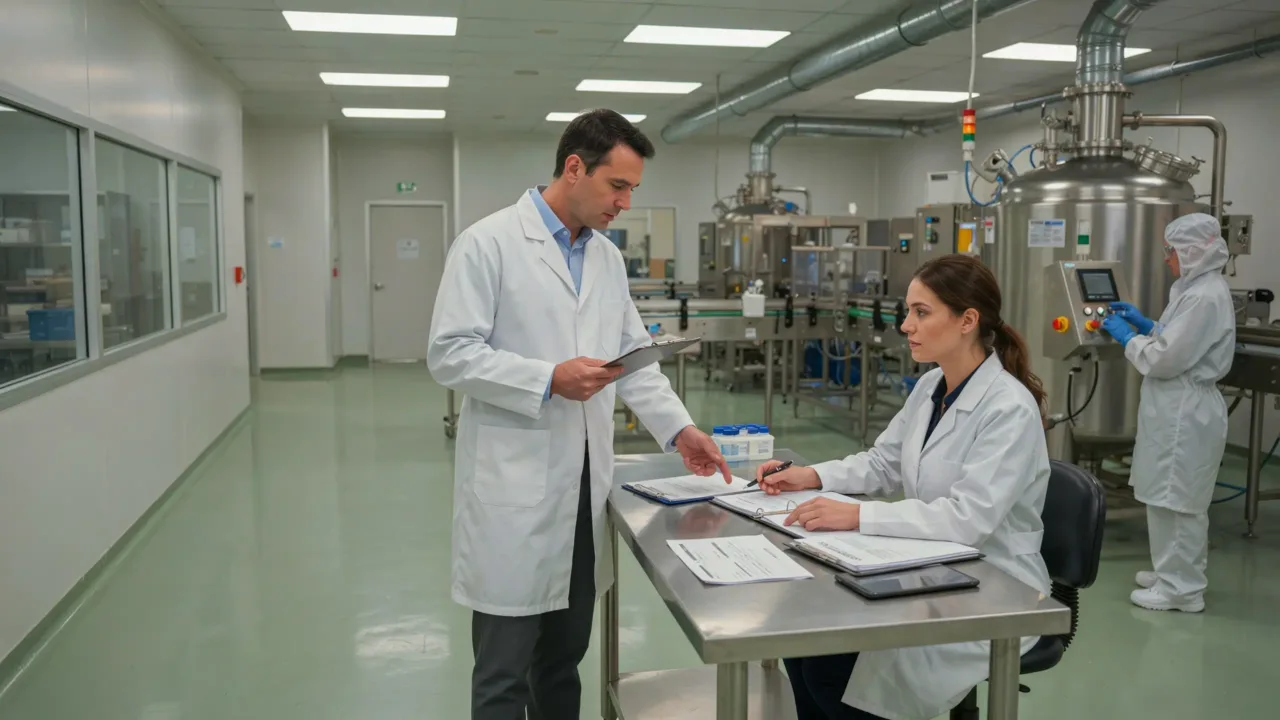
GMP-Regulatory-Compliance-Audits-1280x720.webp

Introduction

GMP regulatory compliance audits help pharmaceutical companies identify gaps in their quality systems, manufacturing processes, documentation, and regulatory practices. These audits evaluate whether an organization follows applicable Good Manufacturing Practice (GMP) requirements and maintains appropriate controls to protect product quality and patient safety.

During GMP regulatory compliance audits, auditors often identify similar issues across different organizations. Common findings include data integrity problems, inadequate deviation investigations, ineffective Corrective and Preventive Actions (CAPA), supplier management gaps, and incomplete training records.

If these issues are not addressed properly, they can affect inspection readiness and create ongoing compliance risks. Companies should investigate each finding, identify its root cause, implement suitable corrective actions, and verify that those actions are effective.

GxP Cellators provides GMP auditing services to help pharmaceutical and life sciences organizations identify compliance gaps, strengthen quality systems, and prepare for regulatory inspections. Understanding common audit findings is an important first step toward maintaining a reliable and effective GMP compliance program.

Why Are GMP Regulatory Compliance Audits Important?

GMP regulatory compliance audits provide a structured way to evaluate whether pharmaceutical operations meet applicable regulatory and quality requirements. They help organizations identify weaknesses before those weaknesses become more serious compliance concerns.

These audits can cover manufacturing operations, quality management systems, computerized systems, documentation, personnel training, supplier qualification, and corrective action processes.

Regular audits offer several benefits:

  • Identify compliance gaps before regulatory inspections.
  • Improve documentation practices and data integrity.
  • Strengthen deviation investigations and CAPA processes.
  • Evaluate supplier qualification and ongoing performance.
  • Improve employee awareness of GMP requirements.
  • Support continuous improvement and inspection readiness.

A successful audit should do more than identify problems. It should help the organization understand why the problems occurred and what changes are needed to prevent them from happening again.

Common Finding 1: Data Integrity Issues

Data integrity is a critical part of pharmaceutical GMP compliance. Records must remain accurate, complete, consistent, and reliable throughout their lifecycle. Auditors review paper records, electronic records, computerized systems, and associated controls to determine whether data can be trusted.

Common data integrity findings include shared user accounts, disabled audit trails, incomplete records, undocumented changes, and inadequate access controls. These issues can make it difficult to confirm who performed an activity, when it occurred, and whether the recorded information accurately represents the work completed.

For example, when several employees use the same login credentials, the organization may be unable to establish individual accountability for critical activities. Similarly, missing audit trail reviews can allow unauthorized or unexplained changes to go unnoticed.

Corrective Actions for Data Integrity Issues

Organizations should take the following steps to address data integrity findings:

  • Enable appropriate audit trails for GxP computerized systems.
  • Eliminate shared accounts and assign unique user credentials.
  • Implement role-based access controls and periodic access reviews.
  • Train personnel on data integrity principles and documentation practices.
  • Establish procedures for reviewing audit trails and investigating unusual activity.
  • Investigate existing data integrity concerns and document the findings.
  • Verify that implemented controls operate effectively.

Organizations should also apply relevant data integrity principles, including ALCOA+, where applicable. Corrective actions should address the underlying causes rather than simply updating procedures or providing additional training.

Common Finding 2: Inadequate Deviation Investigation

Deviation investigations help organizations understand why an activity did not follow an approved procedure, specification, or established requirement. However, some investigations fail to identify the actual root cause of the problem.

Common weaknesses include superficial investigations, unsupported conclusions, incomplete impact assessments, and repeated reliance on human error as the root cause without examining underlying process or system weaknesses.

For example, if an operator repeatedly misses a required documentation step, additional training may help. However, the organization should also assess whether the procedure is unclear, the workflow is poorly designed, or the existing controls are inadequate.

Corrective Actions for Deviation Investigation Findings

To improve deviation management, organizations should:

  • Train personnel in structured root cause analysis methods.
  • Establish clear procedures for documenting and investigating deviations.
  • Assess the potential impact on product quality, patient safety, and previously released batches.
  • Review similar deviations to identify recurring patterns.
  • Document supporting evidence for identified root causes.
  • Link investigations to appropriate CAPA when necessary.
  • Review investigation quality and verify the effectiveness of resulting actions.

A strong deviation investigation should provide a clear connection between the event, the evidence, the root cause, and the selected corrective actions. This approach helps prevent recurring problems and supports continuous quality improvement.

Common Finding 3: Ineffective CAPA

Corrective and Preventive Action (CAPA) systems help organizations correct identified problems and prevent their recurrence. A CAPA finding may arise when actions are incomplete, root causes are not adequately addressed, or effectiveness checks fail to demonstrate that the issue has been resolved.

For example, revising a procedure may not be sufficient if the original problem resulted from inadequate system controls or poor process design. Similarly, closing a CAPA immediately after training employees does not establish that the training has prevented the problem from recurring.

Corrective Actions for Ineffective CAPA

Organizations should strengthen their CAPA processes by following these practices:

  • Conduct a documented root cause analysis before selecting corrective actions.
  • Define specific actions, responsible personnel, and completion timelines.
  • Prioritize actions according to risk and potential impact.
  • Establish measurable criteria for evaluating CAPA effectiveness.
  • Review relevant trends, recurring deviations, complaints, and audit findings.
  • Document evidence supporting CAPA closure.
  • Reopen or escalate actions when effectiveness checks identify unresolved issues.

CAPA effectiveness checks should be appropriate to the identified risk and the nature of the problem. Organizations should establish suitable monitoring periods and acceptance criteria rather than relying only on task completion.

During GMP regulatory compliance audits, auditors may review whether CAPA records demonstrate a complete process from investigation through implementation and effectiveness verification.

Common Finding 4: Supplier Management Gaps

Pharmaceutical companies depend on suppliers and external service providers for materials, components, testing, manufacturing activities, and other critical operations. Weak supplier controls can introduce risks that affect product quality and GMP compliance.

Common supplier management findings include inadequate initial qualification, missing supplier audits, outdated qualification records, insufficient performance monitoring, and incomplete quality agreements.

For example, an organization may approve a supplier based on initial documentation but fail to reassess the supplier after repeated quality issues. Without appropriate monitoring, emerging risks may remain undetected.

Corrective Actions for Supplier Management Gaps

Organizations should consider the following actions:

  • Qualify suppliers before using materials or services, as applicable.
  • Conduct risk-based supplier assessments and audits.
  • Establish clear supplier approval and requalification procedures.
  • Monitor supplier performance using relevant quality indicators.
  • Maintain current quality agreements where appropriate.
  • Investigate supplier-related deviations and recurring quality issues.
  • Document supplier evaluations, audit outcomes, and follow-up activities.

Supplier oversight should be proportionate to the risk associated with the supplied material or service. Critical suppliers may require more extensive assessments, while lower-risk suppliers may be managed through proportionate controls.

Effective supplier management helps organizations maintain control over their supply chain and demonstrate that outsourced activities are appropriately overseen.

Common Finding 5: Inadequate Training

Personnel must have appropriate training and qualifications to perform their assigned GMP responsibilities. Training-related findings can occur when records are incomplete, employees have not completed required training, procedures have changed without corresponding training updates, or training effectiveness has not been evaluated.

A training record alone does not always demonstrate that an employee understands or can correctly perform a task. For critical activities, organizations may need additional evidence, such as competency assessments, supervised practice, or documented qualification.

Corrective Actions for Training Findings

Organizations can address training gaps by taking the following steps:

  • Maintain accurate and current employee training records.
  • Provide GMP training based on job responsibilities.
  • Update training materials when relevant procedures change.
  • Establish training requirements for new employees and transferred personnel.
  • Assess competency for critical activities where appropriate.
  • Document completed training and any required follow-up.
  • Review recurring errors to identify additional training or process improvements.

Training programs should be supported by clear procedures and management oversight. Organizations should also evaluate whether employees can apply the training in their daily work.

How to Manage GMP Regulatory Compliance Audit Findings Effectively

Identifying an audit finding is only the beginning of the remediation process. Organizations need a documented approach to evaluate the issue, assign responsibilities, implement corrective actions, and verify that the actions address the identified risk.

1. Document and Classify Each Finding

Record the observation, supporting evidence, applicable requirement, and potential impact. Classify findings according to the organization’s established risk assessment process and applicable regulatory expectations.

2. Conduct a Risk Assessment

Determine whether the finding could affect product quality, patient safety, data reliability, or regulatory compliance. Where necessary, assess whether similar issues may exist in other processes, systems, products, or facilities.

3. Identify the Root Cause

Use appropriate investigation methods to determine why the problem occurred. Avoid selecting corrective actions before the underlying cause is understood.

4. Develop a CAPA Plan

Define the corrective actions, preventive measures where appropriate, responsible personnel, due dates, and effectiveness criteria. Actions should be specific, practical, and proportionate to the risk.

5. Implement and Verify Actions

Maintain evidence showing that the agreed actions were completed. Perform effectiveness checks to determine whether the issue has been resolved and whether additional action is required.

6. Maintain Complete Documentation

Keep investigation records, risk assessments, revised procedures, training records, and verification evidence available for review. Complete documentation helps demonstrate that findings have been managed systematically.

How GxP Cellators Helps Address Regulatory Findings

GxP Cellators provides GMP regulatory compliance audits to help pharmaceutical and life sciences organizations identify findings, evaluate quality system weaknesses, and develop practical corrective action plans.

Its audit support can help organizations review existing processes, assess compliance gaps, and strengthen their readiness for regulatory inspections. The scope of an engagement can be tailored to the organization’s operations, quality systems, and identified risks.

Our Regulatory Compliance Audit Services Include

  • Full-scope GMP regulatory compliance audits.
  • Data integrity audits.
  • Deviation investigation audits.
  • CAPA audits and effectiveness verification.
  • Supplier qualification and supplier audits.
  • Personnel training audits.
  • Mock inspections and inspection readiness assessments.
  • CAPA follow-up and verification.

These services can help organizations identify areas that require attention and prioritize remediation activities. The exact scope depends on the organization’s requirements and the applicable regulatory framework.

Why Choose GxP Cellators?

GxP Cellators focuses on practical audit support for regulated organizations. Its approach can help businesses evaluate compliance risks and develop clear, actionable improvement plans.

Key areas of support include:

  • Auditing expertise informed by applicable GMP requirements and regulatory inspection expectations.
  • Consideration of relevant FDA, EMA, Health Canada, MHRA, and WHO requirements, as applicable to the engagement.
  • Risk-based audit planning tailored to the organization’s operations.
  • Clear reports outlining findings, risks, and recommended corrective actions.
  • Confidential handling of proprietary business and quality information.

For organizations preparing for an inspection or addressing existing audit findings, professional auditing support can provide an independent perspective on compliance gaps and remediation priorities.

Conclusion

GMP regulatory compliance audits help pharmaceutical companies identify weaknesses that may affect product quality, data integrity, and regulatory readiness. Common findings include data integrity issues, inadequate deviation investigations, ineffective CAPA, supplier management gaps, and insufficient training.

Addressing these findings requires more than correcting individual records or updating procedures. Organizations should investigate root causes, evaluate risks, implement appropriate corrective actions, and verify effectiveness through documented evidence.

A structured, risk-based approach helps prevent recurring problems and supports continuous improvement. GxP Cellators provides GMP auditing services to help organizations assess compliance gaps, strengthen quality systems, and prepare for regulatory inspections.

Need support with GMP regulatory compliance audits? Visit the GxP Cellators Contact Page to discuss your audit requirements and compliance objectives.

Frequently Asked Questions

Q1. What are common findings in GMP regulatory compliance audits?

Common findings include data integrity issues, inadequate deviation investigations, ineffective CAPA, supplier management gaps, incomplete documentation, and inadequate personnel training. The actual findings depend on the organization’s processes, quality systems, and applicable regulatory requirements.

Q2. How can data integrity findings be corrected?

Organizations can address data integrity findings by enabling appropriate audit trails, eliminating shared accounts, implementing access controls, reviewing electronic records, and training personnel. They should also investigate the underlying causes and verify that corrective actions are effective.

Q3. How can deviation investigation findings be corrected?

Deviation findings can be addressed through structured root cause analysis, documented impact assessments, trend reviews, and appropriate CAPA. Organizations should ensure that investigation conclusions are supported by evidence and that recurring problems are addressed.

Q4. How does GxP Cellators help address regulatory findings?

GxP Cellators provides GMP regulatory compliance audits that help identify compliance gaps, review quality systems, and recommend practical corrective actions. Depending on the agreed scope, support may include data integrity, CAPA, supplier, training, and mock inspection audits.

Q5. How do I contact GxP Cellators for regulatory compliance audit support?

You can visit the GxP Cellators Contact Page to discuss your GMP auditing requirements, compliance concerns, and inspection readiness objectives.


23/10/2026
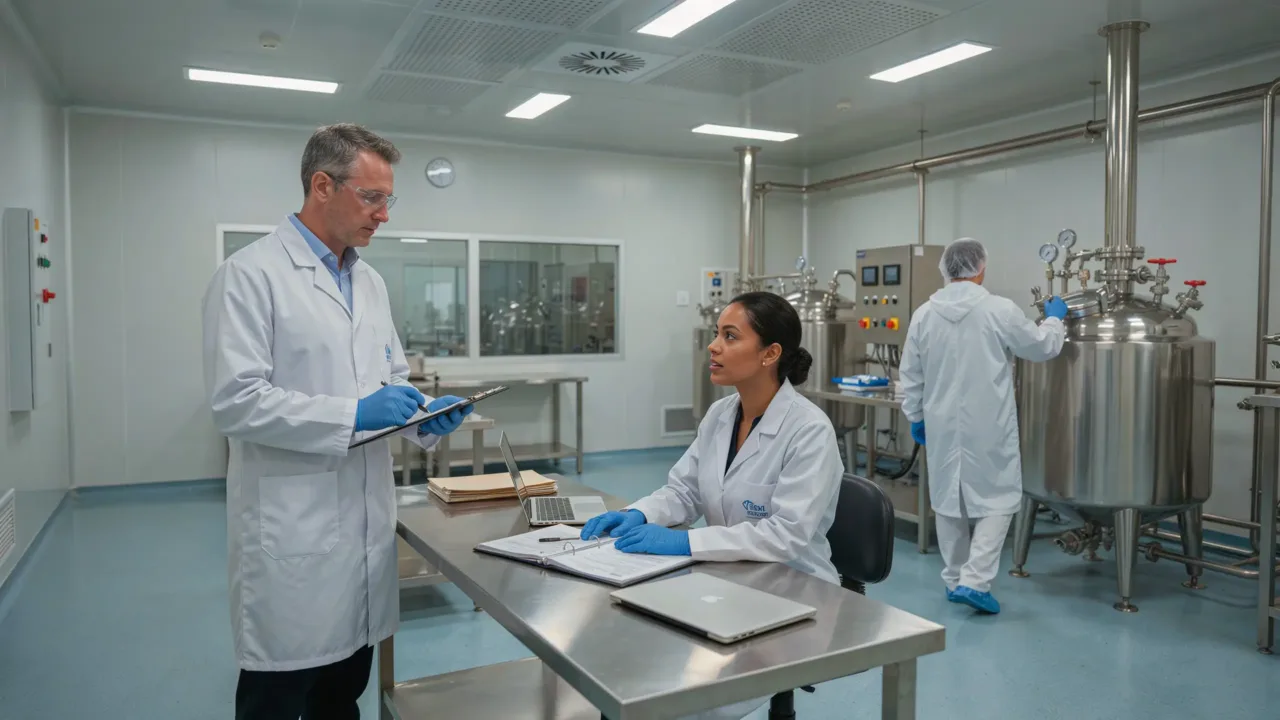
GMP-Regulatory-Compliance-Audit-1280x720.webp

Introduction

A GMP regulatory compliance audit helps pharmaceutical companies check whether their processes, documentation, facilities, and quality systems meet applicable Good Manufacturing Practices (GMP) requirements. These audits also help organizations identify compliance gaps before a regulatory inspection.

In 2026, pharmaceutical companies must continue to pay close attention to data integrity, quality management, supplier oversight, computerized systems, and contamination control. Regulatory expectations depend on the applicable regulations, product type, manufacturing activities, and market.

The U.S. Food and Drug Administration (FDA) and the European Medicines Agency (EMA), together with relevant national authorities in Europe, have established requirements that pharmaceutical manufacturers must understand and apply.

Preparing for these expectations requires more than reviewing documents shortly before an inspection. Companies need effective quality systems, trained employees, reliable records, and documented corrective actions.

This guide explains the key areas to review during a GMP regulatory compliance audit and how GxP Cellators supports pharmaceutical companies with audit and inspection readiness.

Why Is a GMP Regulatory Compliance Audit Important?

A GMP regulatory compliance audit helps a company evaluate whether its daily activities follow approved procedures and applicable regulatory requirements. It can identify weaknesses before they lead to serious compliance problems.

Regular audits can help organizations:

  • Identify gaps in GMP procedures and documentation.
  • Improve data integrity and record management.
  • Evaluate the effectiveness of corrective and preventive actions (CAPA).
  • Check supplier qualification and oversight.
  • Review manufacturing and quality control activities.
  • Prepare employees for regulatory inspections.
  • Reduce the risk of repeated audit findings.

An audit should not focus only on whether documents exist. It should also determine whether procedures are followed in practice and whether the controls are effective.

FDA Expectations for GMP Regulatory Compliance Audits

Pharmaceutical companies supplying products to the United States should understand the applicable FDA requirements. A GMP compliance audit can help assess manufacturing practices, quality controls, documentation, and inspection readiness.

1. Data Integrity and Electronic Records

Data integrity is an important part of pharmaceutical compliance. Companies must ensure that records are complete, consistent, accurate, and appropriately protected throughout their lifecycle.

During an audit, reviewers should examine:

  • Whether audit trails are enabled and appropriately reviewed for relevant computerized systems.
  • Whether user access is controlled according to job responsibilities.
  • Whether electronic records are protected against unauthorized changes or deletion.
  • Whether electronic signatures comply with applicable requirements, including 21 CFR Part 11 where applicable.
  • Whether original records and associated metadata are retained appropriately.
  • Whether data review responsibilities are clearly documented.

Companies should also review their procedures for handling missing data, unexplained changes, system failures, and potential data integrity incidents.

2. Pharmaceutical Quality Systems

An effective quality system helps ensure that manufacturing and quality control activities remain consistent with approved procedures and applicable GMP requirements.

A GMP regulatory compliance audit should review:

  • Deviation reporting and investigation.
  • CAPA implementation and effectiveness checks.
  • Change control procedures.
  • Document control and record retention.
  • Complaint handling and product quality investigations.
  • Training records and employee qualifications.
  • Management review and quality oversight.

Auditors should check whether investigations identify the underlying causes of problems rather than simply correcting the immediate issue. Repeated deviations may indicate that existing corrective actions are not effective.

3. Supplier Qualification and Oversight

Suppliers can affect the quality, safety, and reliability of pharmaceutical products. Companies should therefore maintain appropriate controls for raw materials, components, outsourced activities, and other relevant suppliers.

Supplier-related audit checks should include:

  • Documented supplier qualification and approval.
  • Risk-based supplier assessment and auditing.
  • Approved specifications and material requirements.
  • Quality agreements where appropriate.
  • Review of supplier performance and recurring issues.
  • Investigation of supplier-related deviations.
  • Documented follow-up of audit findings.

The level of oversight should reflect the supplier’s role, the risks associated with its materials or services, and applicable regulatory requirements.

4. Sterile Manufacturing and Contamination Control

Sterile manufacturing requires specific controls to minimize contamination risks. Facilities involved in sterile production should assess their processes against the applicable GMP requirements, including relevant FDA requirements and EU GMP Annex 1 where applicable.

Important audit areas include:

  • Contamination Control Strategy (CCS).
  • Personnel gowning and aseptic practices.
  • Environmental and process monitoring.
  • Cleaning and disinfection procedures.
  • Equipment qualification and maintenance.
  • Aseptic process simulations, commonly called media fills.
  • Investigation of contamination events and adverse trends.

Auditors should verify that monitoring results are evaluated properly and that identified risks lead to appropriate corrective actions.

EMA and EU GMP Expectations

Companies manufacturing or supplying medicines in the European market should understand applicable EU GMP requirements and the role of relevant national competent authorities. The EMA provides scientific and regulatory coordination at the European level, while inspections are generally conducted by the relevant national authorities.

1. Data Integrity and Computerized Systems

Data integrity controls should ensure that pharmaceutical records remain trustworthy throughout their lifecycle.

During an audit, companies should review:

  • Audit trail functionality and review procedures.
  • User access and system security.
  • Electronic record management.
  • Data backup, recovery, and retention.
  • Computerized system validation and ongoing control.
  • Electronic signatures and applicable EU requirements, including Annex 11 where relevant.

Companies should verify that their controls are suitable for the systems and processes involved. Electronic signatures and computerized system controls must be assessed against the applicable requirements rather than treated as a single universal checklist.

2. Pharmaceutical Quality System

EU GMP expectations include an effective Pharmaceutical Quality System (PQS). The system should support consistent product quality, appropriate risk management, and continuous improvement.

A GMP quality system audit should examine:

  • Deviation management and investigation.
  • CAPA procedures and effectiveness.
  • Change management.
  • Document and record control.
  • Product quality review processes.
  • Quality risk management.
  • Management responsibilities and oversight.

Auditors should confirm that quality decisions are documented and supported by appropriate evidence. They should also examine whether management receives sufficient information to identify and address recurring problems.

3. Supplier Management and Outsourced Activities

Supplier controls should be appropriate to the materials, services, and risks involved. Companies should understand their responsibilities when activities are outsourced.

An audit should verify that suppliers are evaluated before approval and monitored throughout the business relationship. Quality agreements, supplier audits, performance reviews, and documented corrective actions can help maintain effective oversight.

Where applicable, companies should also assess outsourced manufacturing, testing, storage, and distribution arrangements against relevant contractual and regulatory requirements.

4. Sterile Products and Contamination Control

For applicable sterile manufacturing operations, EU GMP Annex 1 provides requirements and guidance concerning the manufacture of sterile medicinal products.

A review should consider the documented Contamination Control Strategy, facility and equipment design, cleanroom qualification, personnel practices, environmental monitoring, and aseptic process simulation.

The audit should also examine how the organization responds to contamination risks, monitoring excursions, and adverse trends. Corrective actions should be documented, scientifically justified, and evaluated for effectiveness.

FDA vs. EMA: Key Areas to Review

Although both regulatory frameworks aim to protect product quality and patient safety, their requirements and implementation details are not identical.

Audit AreaFDA ConsiderationsEU/EMA-Related Considerations
Data integrityApplicable FDA regulations and guidanceApplicable EU GMP requirements and guidance
Electronic records21 CFR Part 11 where applicableEU GMP Annex 11 where applicable
Quality systemsRelevant drug GMP requirements, including 21 CFR Parts 210 and 211 where applicableEU GMP requirements for the Pharmaceutical Quality System
Sterile manufacturingApplicable FDA requirements and guidanceEU GMP Annex 1 where applicable
Supplier oversightSupplier controls appropriate to applicable requirements and risksSupplier and outsourced activity controls under applicable EU GMP requirements
Inspection readinessEvidence of compliance with applicable FDA requirementsEvidence of compliance with applicable EU GMP requirements

Companies operating in both markets should avoid assuming that one audit checklist will fully cover every requirement. A well-designed audit should identify the relevant regulations, products, sites, and processes before defining its scope.

How to Prepare for a GMP Regulatory Compliance Audit in 2026

A structured preparation process helps companies identify weaknesses and assign responsibilities before an audit or inspection.

Step 1: Define the Audit Scope

Identify the site, products, processes, systems, and regulatory requirements covered by the audit. Consider whether the organization supplies products to the United States, European Union, or other markets.

A clearly defined scope helps auditors focus on the most relevant compliance risks.

Step 2: Conduct a GMP Gap Assessment

Compare existing procedures and practices against applicable regulatory requirements. Review previous audit reports, inspection observations, open deviations, and recurring quality issues.

Record each identified gap, its potential impact, and the action required to address it.

Step 3: Review Documentation and Records

Check whether procedures, batch records, training records, equipment logs, validation documents, and quality records are current and properly controlled.

Documentation should accurately reflect actual activities. Avoid making retrospective changes without an appropriate, documented, and authorized process.

Step 4: Evaluate CAPA Effectiveness

Review open and closed CAPAs to determine whether corrective actions addressed the underlying causes of problems.

Check completion dates, supporting evidence, approval records, and effectiveness checks. Repeated findings should receive appropriate investigation and management attention.

Step 5: Prepare Employees

Employees should understand their responsibilities and follow approved procedures. Provide training where needed, particularly for documentation practices, data integrity, deviation reporting, and inspection communication.

Mock interviews can help employees explain their work clearly without encouraging rehearsed or misleading responses.

Step 6: Conduct a Mock Inspection

A mock inspection can help evaluate how effectively employees retrieve records, explain procedures, and respond to questions.

Document observations, assign responsible owners, and establish realistic completion dates for corrective actions. The objective is to identify genuine weaknesses, not simply create a positive-looking inspection report.

How GxP Cellators Supports GMP Regulatory Compliance Audits

GxP Cellators provides GMP auditing and compliance support to help pharmaceutical organizations assess their quality systems and improve inspection readiness.

Its services can help companies identify compliance gaps, review procedures, and prioritize corrective actions based on the audit scope and applicable requirements.

Regulatory Compliance Audit Services

Support may include:

  • Full-scope GMP regulatory compliance audits.
  • Pre-inspection readiness assessments.
  • Mock FDA and EU regulatory inspections.
  • Data integrity audits.
  • GMP quality system audits.
  • Supplier qualification and supplier audits.
  • CAPA verification and follow-up.
  • GMP gap assessments and remediation planning.

Why Choose GxP Cellators?

A structured and risk-based audit can provide practical insight into areas that require improvement. GxP Cellators focuses on identifying gaps, documenting observations, and helping organizations understand the corrective actions needed.

Its approach can be tailored to the organization’s operations, quality systems, and applicable regulatory requirements. Audit findings should be clear, evidence-based, and useful for planning corrective actions.

For pharmaceutical companies preparing for an inspection, external audit support can provide an additional perspective on compliance risks that internal teams may overlook.

Frequently Asked Questions

1. What is a GMP regulatory compliance audit?

A GMP regulatory compliance audit evaluates whether pharmaceutical manufacturing, quality systems, documentation, and related activities meet applicable Good Manufacturing Practices requirements. It helps identify gaps and prepare organizations for regulatory inspections.

2. How do I prepare for FDA and EMA expectations in GMP audits?

Start by defining the audit scope and reviewing applicable regulations. Assess data integrity, quality systems, supplier oversight, manufacturing controls, and relevant sterile manufacturing requirements. Conduct a gap assessment, review CAPAs, train employees, and consider a mock inspection.

3. What are FDA expectations for data integrity?

FDA expects applicable records to be reliable and trustworthy. Companies should maintain appropriate access controls, protect records against unauthorized changes, and implement suitable audit trail and electronic record controls. The specific requirements depend on the applicable regulations and systems.

4. What are EU GMP expectations for data integrity?

EU GMP data integrity controls should support accurate, complete, consistent, and traceable records. Companies should assess computerized systems, audit trails, access controls, electronic records, and signatures against applicable requirements, including Annex 11 where relevant.

5. What is the difference between a GMP audit and a regulatory inspection?

A GMP audit is a systematic review used to evaluate compliance and identify improvement opportunities. It may be conducted internally or by an external auditor. A regulatory inspection is conducted by an authorized regulatory authority to assess compliance with applicable legal and regulatory requirements.

6. How often should a pharmaceutical company conduct GMP audits?

Audit frequency should be based on risk, applicable regulatory requirements, the organization’s quality system, previous findings, and changes to processes or suppliers. Higher-risk activities may require more frequent review than lower-risk activities.

7. How does GxP Cellators support regulatory compliance audits?

GxP Cellators offers GMP auditing and compliance support, including regulatory audit preparation, gap assessments, mock inspections, data integrity reviews, quality system audits, supplier audits, and CAPA follow-up, depending on the agreed scope of work.

Contact GxP Cellators for GMP Audit Support

Preparing for FDA and EU regulatory expectations requires effective quality systems, reliable documentation, trained employees, and a clear process for addressing compliance gaps.

A GMP regulatory compliance audit can help your organization identify weaknesses before an inspection and develop a practical improvement plan.

If your pharmaceutical company needs support with GMP auditing, inspection readiness, supplier oversight, or quality system reviews, contact GxP Cellators to discuss your requirements.

Contact page: https://www.gxpcellators.com/gmp-auditing/


23/10/2026

Introduction

Risk-based GMP manufacturing audits help pharmaceutical companies focus their audit activities on the areas that present the greatest risks to product quality, patient safety, and data integrity. Instead of reviewing every process with the same level of attention, this approach prioritizes critical operations, equipment, materials, and quality systems.

Identifying critical risks is an important part of effective Good Manufacturing Practices (GMP) auditing. It helps organizations detect potential compliance gaps, prevent recurring problems, and prepare for regulatory inspections.

A well-planned audit also helps companies use their resources more effectively. By understanding where failures could have the greatest impact, organizations can take corrective action before issues affect manufacturing operations or product quality.

GxP Cellators supports pharmaceutical and life sciences organizations through risk-based GMP manufacturing audits, risk assessments, process validation audits, and other compliance services.

What Are Risk-Based GMP Manufacturing Audits?

Risk-based GMP manufacturing audits are structured assessments that focus on manufacturing activities according to their potential impact on product quality, patient safety, data integrity, and regulatory compliance.

Traditional audits may follow a standard checklist across different departments. However, a risk-based approach considers the nature of each operation, its complexity, its history of problems, and the consequences of a potential failure.

For example, an issue involving a critical manufacturing parameter may have a greater impact on product quality than a minor administrative error. Therefore, the critical process may require a deeper review, stronger controls, and more frequent auditing.

Risk-based GMP manufacturing audits help organizations:

  • Identify high-risk manufacturing processes.
  • Evaluate weaknesses in quality systems and procedures.
  • Review equipment, materials, and process controls.
  • Identify data integrity and documentation risks.
  • Prioritize corrective and preventive actions (CAPA).
  • Improve regulatory inspection readiness.

This approach makes audits more focused, practical, and useful for continuous improvement.

How to Identify Critical Risks in GMP Manufacturing Audits

Identifying critical risks requires a systematic review of manufacturing activities and supporting quality systems. The following areas can help auditors determine which processes need the most attention.

1. Assess the Impact on Product Quality

Product quality is one of the most important factors in GMP risk assessment. Manufacturing problems can affect product identity, strength, purity, quality, and consistency.

Auditors should identify the processes, materials, and equipment that have the greatest influence on the final product.

Important questions include:

  • Which manufacturing processes have the greatest impact on product quality?
  • Which raw materials or components could affect product safety or performance?
  • Which equipment failures could lead to product defects?
  • Are critical process parameters monitored and controlled?
  • Are deviations investigated and documented appropriately?

For example, poor control of a critical manufacturing parameter may affect the quality of an entire batch. Auditors should review operating procedures, monitoring records, deviation reports, and process controls to determine whether suitable safeguards are in place.

2. Evaluate the Impact on Patient Safety

Patient safety should remain a central consideration during pharmaceutical manufacturing audits. A manufacturing failure may lead to contaminated, incorrectly labelled, or otherwise unsuitable products reaching patients.

Auditors should focus on processes where failures could create significant risks to patients.

These may include contamination control, cleaning procedures, material handling, equipment operation, and batch release activities.

During the audit, reviewers should consider:

  • Which processes could directly affect patient safety?
  • Are contamination risks properly controlled?
  • Are cleaning and sanitization procedures followed?
  • Are material identification and traceability systems effective?
  • Are product quality complaints investigated promptly?

A risk assessment should consider both the likelihood of a failure and the seriousness of its potential consequences. This helps organizations prioritize controls and allocate audit resources to the areas requiring greater attention.

3. Review Data Integrity Risks

Data integrity is another critical area in GMP manufacturing audits. Pharmaceutical companies rely on accurate, complete, consistent, and traceable records to demonstrate that manufacturing activities comply with approved procedures.

Weak data controls can affect batch decisions, investigations, quality reviews, and regulatory confidence.

Auditors should examine paper records, electronic systems, laboratory data where relevant, and manufacturing documentation.

Key questions include:

  • Are records complete, accurate, and created at the appropriate time?
  • Are electronic records protected against unauthorized changes?
  • Are audit trails reviewed when required?
  • Are user access permissions appropriate?
  • Are corrections documented and traceable?
  • Are backup and record-retention procedures followed?

The ALCOA+ principles provide a useful framework for reviewing data integrity. Records should be attributable, legible, contemporaneous, original, and accurate, along with the additional expectations of being complete, consistent, enduring, and available.

When auditors identify weaknesses, organizations should investigate the underlying causes and determine whether corrective action is needed.

4. Assess Regulatory Compliance Risks

Regulatory compliance risks arise when manufacturing practices, documentation, or quality systems do not meet applicable requirements.

Pharmaceutical organizations may need to consider expectations from agencies such as the US Food and Drug Administration (FDA), European Medicines Agency (EMA), Health Canada, the UK Medicines and Healthcare products Regulatory Agency (MHRA), and the World Health Organization (WHO), depending on their markets and activities.

Auditors should review applicable requirements rather than assume that every organization follows identical regulatory expectations.

Important assessment areas include:

  • Compliance with applicable GMP requirements.
  • Previous inspection observations and audit findings.
  • Implementation of corrective and preventive actions.
  • Change control and deviation management.
  • Validation and qualification documentation.
  • Training records and employee competency.
  • Procedures for maintaining inspection readiness.

Previous regulatory findings can help identify areas that require closer attention. However, organizations should also consider new processes, recent changes, and emerging risks instead of relying only on historical inspection results.

5. Analyze Historical Quality Data

Historical quality data helps auditors understand recurring problems and identify manufacturing areas that may require additional investigation.

A single deviation may not always indicate a major weakness. However, repeated deviations involving the same process, equipment, or procedure may suggest an underlying control problem.

During risk-based GMP manufacturing audits, reviewers should examine:

  • Deviation and nonconformance trends.
  • CAPA records and overdue actions.
  • Customer complaints and product quality complaints.
  • Previous internal and external audit findings.
  • Batch rejection and failure trends.
  • Equipment breakdown and maintenance records.
  • Repeat issues involving suppliers or raw materials.

Trend analysis should consider the severity, frequency, and potential impact of each issue. This information helps organizations distinguish isolated events from systemic problems.

Auditors should also verify whether previous corrective actions were effective. Closing a CAPA record does not automatically demonstrate that the original problem has been resolved.

Other Factors to Consider During Manufacturing Risk Assessments

Although product quality, patient safety, data integrity, regulatory compliance, and historical data are key considerations, other factors can influence audit priorities.

Process Complexity and Recent Changes

New equipment, revised manufacturing procedures, facility modifications, and changes in suppliers may introduce risks that were not present during earlier audits.

Auditors should review whether changes were assessed, approved, documented, and implemented under the organization’s change control process.

Equipment Qualification and Process Validation

Equipment and manufacturing processes should be suitable for their intended use. Auditors may review qualification documents, validation reports, maintenance records, calibration activities, and ongoing monitoring.

Any unexplained equipment failure or repeated process deviation may indicate a need for a more detailed assessment.

Employee Training and Procedural Compliance

Employees must understand the procedures relevant to their responsibilities. Auditors should review training records and, where appropriate, observe actual manufacturing activities.

Differences between written procedures and routine practices may indicate gaps in training, procedure design, supervision, or quality oversight.

How to Prioritize Critical Risks

Once risks have been identified, organizations need a consistent method to determine which ones require immediate attention.

A common approach considers three factors:

  • Severity: How serious would the consequences be if the failure occurred?
  • Occurrence: How likely is the failure to happen?
  • Detectability: How likely is the problem to be detected before it causes harm?

These factors can support a structured risk assessment, including Failure Mode and Effects Analysis (FMEA), where appropriate.

For example, a failure that could compromise patient safety, occurs repeatedly, and is difficult to detect may require immediate investigation and stronger controls. A lower-impact issue with effective detection controls may receive a different priority.

Risk scores should support professional judgment rather than replace it. Organizations should document their assessment criteria, explain their decisions, and review priorities when new evidence becomes available.

How GxP Cellators Supports Risk-Based GMP Manufacturing Audits

GxP Cellators provides risk-based GMP manufacturing audits to help pharmaceutical and life sciences organizations evaluate compliance, identify weaknesses, and strengthen manufacturing controls.

The audit approach can be tailored to the organization’s operations, quality systems, applicable regulatory requirements, and identified risk areas.

Our Risk-Based Manufacturing Audit Services Include

  • Risk assessments: Identify critical manufacturing risks and evaluate their potential impact.
  • Risk-based audit planning: Prioritize processes, departments, and systems according to risk.
  • Full-scope manufacturing audits: Review manufacturing operations and supporting GMP controls.
  • Process validation audits: Assess validation documentation and controls for manufacturing processes.
  • Data integrity audits: Evaluate relevant records, electronic systems, and data management practices.
  • Mock inspections: Help organizations assess their preparedness for regulatory inspections.
  • CAPA verification and follow-up: Review corrective actions and assess whether identified issues have been addressed effectively.

These services help organizations understand their compliance position and develop practical actions to address identified weaknesses.

Why Choose GxP Cellators?

Organizations need audit findings that are clear, relevant, and useful for improving compliance. GxP Cellators focuses on practical assessments that help clients understand potential risks and determine appropriate next steps.

Key benefits include:

  • Auditors with regulatory inspection and industry quality experience.
  • Consideration of FDA, EMA, Health Canada, MHRA, and WHO requirements, as applicable.
  • Risk-based audit approaches tailored to individual operations.
  • Practical reports highlighting observations and improvement opportunities.
  • Confidential handling of proprietary business and quality information.

The specific audit scope can be discussed according to the organization’s manufacturing activities, regulatory markets, and compliance objectives.

Best Practices for Maintaining Effective GMP Manufacturing Audits

Risk-based auditing should be an ongoing activity rather than a one-time exercise. Organizations can improve their audit programs by following several practical steps.

First, maintain an updated risk register that records identified risks, their potential impact, existing controls, and planned actions.

Second, review audit priorities when significant changes occur, such as new equipment installation, process changes, recurring deviations, or new regulatory concerns.

Third, make sure audit findings are supported by objective evidence. Clear documentation helps responsible teams understand the issue and determine the appropriate response.

Finally, monitor CAPA implementation and effectiveness. Follow-up reviews help confirm whether corrective actions have addressed the underlying cause and reduced the risk of recurrence.

By combining these practices, pharmaceutical companies can build a more effective audit program and improve their ability to identify critical manufacturing risks before they become larger compliance problems.

Frequently Asked Questions

1. What is a risk-based GMP manufacturing audit?

A risk-based GMP manufacturing audit focuses audit resources on manufacturing processes and quality systems with the greatest potential impact on product quality, patient safety, data integrity, and regulatory compliance.

2. How are critical risks identified in GMP manufacturing?

Critical risks are identified by evaluating process impact, patient safety, data integrity, regulatory requirements, historical quality data, and existing controls. Risk assessment methods can then help prioritize the issues requiring attention.

3. Why are risk-based GMP manufacturing audits important?

These audits help organizations focus on the most significant compliance risks, use resources effectively, identify weaknesses, and improve manufacturing controls. They can also support regulatory inspection readiness and continuous quality improvement.

4. What factors should auditors review during a GMP manufacturing audit?

Auditors may review manufacturing procedures, equipment qualification, process validation, material handling, contamination control, data integrity, deviation management, CAPA, employee training, and previous audit findings.

5. What is the role of CAPA in risk-based manufacturing audits?

Corrective and preventive actions address identified problems and help reduce the risk of recurrence. Auditors review CAPA records to assess root-cause investigations, action implementation, and effectiveness checks.

6. How does GxP Cellators support risk-based manufacturing audits?

GxP Cellators provides risk assessments, risk-based audit planning, manufacturing audits, process validation audits, data integrity audits, mock inspections, and CAPA verification and follow-up.

7. How can a company prepare for a risk-based GMP manufacturing audit?

A company can prepare by reviewing its risk register, previous audit findings, deviation trends, CAPA records, validation documents, training records, and relevant manufacturing procedures. It should also ensure that records are accurate and responsible employees understand their procedures.

Contact GxP Cellators

Identifying critical risks early can help pharmaceutical organizations improve manufacturing controls, protect product quality, and maintain GMP compliance. A structured, risk-based audit program also helps teams focus on the areas that need the most attention.

If your organization needs support with risk-based GMP manufacturing audits, audit planning, compliance assessments, or inspection readiness, contact GxP Cellators to discuss your requirements.

Contact GxP Cellators: https://www.gxpcellators.com/contact/


23/10/2026
GMP-manufacturing-audits-1280x720.webp

Introduction

GMP manufacturing audits play an important role in maintaining product quality, patient safety, and regulatory compliance in the pharmaceutical industry. During these audits, auditors examine manufacturing activities, observe personnel, inspect equipment, and review records to verify whether operations follow Good Manufacturing Practices (GMP).

The production floor requires particular attention because even small mistakes in material handling, equipment cleaning, documentation, or personnel practices can affect product quality. A structured audit helps organizations identify compliance gaps before they become serious issues.

In this guide, we explain what auditors check during GMP manufacturing audits, which production activities require attention, and how pharmaceutical companies can prepare for an audit. GxP Cellators provides GMP auditing services to help organizations assess manufacturing operations and identify areas for improvement.

What Are GMP Manufacturing Audits?

GMP manufacturing audits are systematic assessments of pharmaceutical manufacturing processes, facilities, equipment, personnel practices, and quality records. Their purpose is to determine whether manufacturing activities follow approved procedures and applicable GMP requirements.

Auditors review both documented procedures and actual practices on the production floor. For example, a procedure may require equipment cleaning after every production batch. During an audit, the auditor checks whether employees follow that procedure and whether the cleaning records provide sufficient evidence.

These audits can be conducted internally or by independent external auditors. They help organizations identify weaknesses, improve quality systems, and prepare for regulatory inspections.

What Auditors Check on the Production Floor

During GMP manufacturing audits, auditors examine several areas to understand how effectively a facility controls its manufacturing operations.

1. Personnel Behaviour and Hygiene

Personnel behaviour directly affects manufacturing quality. Auditors observe employees during routine activities to verify whether they follow approved procedures, hygiene requirements, and gowning practices.

Key checks include:

  • Whether employees follow approved standard operating procedures (SOPs).
  • Whether personnel wear appropriate protective clothing and cleanroom attire.
  • Whether hygiene and handwashing requirements are followed.
  • Whether employees understand their assigned responsibilities.
  • Whether personnel have completed the required GMP training.
  • Whether improper practices could introduce contamination or mix-ups.

Auditors may interview employees to confirm that they understand the procedures relevant to their work. Training records may also be reviewed to verify that personnel are qualified for their assigned activities.

2. Equipment Operation, Maintenance, and Calibration

Manufacturing equipment must operate as intended to support consistent product quality. Auditors examine equipment condition, operating practices, maintenance records, and calibration status.

Typical GMP audit checks include:

  • Whether equipment is operating correctly.
  • Whether instruments are calibrated according to approved schedules.
  • Whether preventive maintenance is performed and documented.
  • Whether equipment cleaning procedures are followed.
  • Whether equipment status labels are accurate and current.
  • Whether equipment is qualified where required.

Auditors may also review equipment logbooks and investigate whether breakdowns, repairs, or unusual operating conditions were properly documented.

Any equipment used outside its approved operating limits may require investigation and an assessment of its potential impact on product quality.

3. Material Handling, Identification, and Traceability

Incorrect material handling can lead to contamination, mix-ups, or the use of unsuitable materials. For this reason, material control is an important part of pharmaceutical manufacturing audits.

Auditors commonly verify:

  • Whether incoming materials have appropriate identification labels.
  • Whether materials are stored under specified conditions.
  • Whether approved and rejected materials are segregated.
  • Whether material status is clearly identified.
  • Whether dispensing and weighing activities follow approved procedures.
  • Whether materials can be traced to their suppliers and relevant batches.

Auditors may also examine how personnel handle raw materials, packaging components, and work-in-process materials.

Proper identification and traceability help organizations investigate deviations, manage recalls, and demonstrate control over the manufacturing process.

4. In-Process Controls and Manufacturing Parameters

In-process controls help ensure that manufacturing activities remain within established limits. Auditors review whether required checks are performed at the correct stages and whether results are properly recorded.

Important areas include:

  • Whether required in-process checks are completed.
  • Whether results meet approved acceptance criteria.
  • Whether critical process parameters remain within established limits.
  • Whether out-of-specification results are investigated.
  • Whether deviations are documented and assessed.
  • Whether records are complete and reviewed by authorized personnel.

Depending on the process, checks may include temperature, mixing time, pressure, weight, pH, or other relevant parameters.

If a result falls outside an approved limit, auditors expect evidence of an appropriate investigation and documented decisions. Simply repeating a test or recording a new result without a justified investigation may not adequately address the issue.

5. Batch Manufacturing Records and Documentation

Documentation provides evidence that manufacturing activities were performed according to approved procedures. During GMP manufacturing audits, auditors examine batch records and other controlled documents for completeness, accuracy, and consistency.

Common checks include:

  • Whether batch manufacturing records are complete.
  • Whether entries are legible and attributable to the person performing the activity.
  • Whether records are completed at the time the activity occurs.
  • Whether corrections follow approved documentation practices.
  • Whether calculations and recorded results are accurate.
  • Whether required reviews and approvals are completed.
  • Whether discrepancies are documented and investigated.

Auditors may compare batch records with equipment logbooks, material dispensing records, and electronic system data.

Missing signatures, unexplained gaps, inconsistent timestamps, and undocumented corrections can indicate weaknesses in documentation controls. Companies should ensure that records accurately reflect the activities performed.

6. Cleaning Procedures and Contamination Control

Cleaning is essential for preventing cross-contamination and maintaining suitable manufacturing conditions. Auditors check whether cleaning procedures are appropriate, current, and consistently followed.

Key audit checks include:

  • Whether approved cleaning procedures are available.
  • Whether cleaning activities are performed as required.
  • Whether cleaning records are complete.
  • Whether cleaning equipment and tools are properly controlled.
  • Whether cleaning limits and acceptance criteria are established where required.
  • Whether cleaning validation or verification activities are appropriate to the process.
  • Whether cleaning failures are investigated.

Auditors may also examine how facilities prevent product mix-ups and contamination between different manufacturing activities.

For facilities handling multiple products, effective cleaning controls are particularly important. Companies should maintain evidence that their procedures are suitable for the equipment, products, and risks involved.

7. Environmental Conditions and Facility Controls

Manufacturing environments must remain suitable for the activities being performed. Depending on the facility and product, environmental controls may include temperature, humidity, pressure differentials, particulate levels, and microbiological monitoring.

During production floor audits, auditors may check:

  • Whether environmental conditions are controlled within established limits.
  • Whether monitoring activities are performed at defined intervals.
  • Whether monitoring records are complete and reviewed.
  • Whether alarms and excursions are investigated.
  • Whether cleaning and housekeeping standards are maintained.
  • Whether personnel and material movement are controlled appropriately.

For sterile manufacturing and controlled cleanroom environments, additional attention may be given to contamination control, airflow, gowning, and environmental monitoring programmes.

The exact requirements depend on the manufacturing process, product type, facility design, and applicable regulations.

8. Data Integrity and Electronic Records

Data integrity is a major consideration during GMP manufacturing audits because manufacturing decisions must be supported by reliable and accurate information.

Auditors review whether paper and electronic records are complete, consistent, and protected against unauthorized changes.

Important checks include:

  • Whether relevant electronic systems have appropriate access controls.
  • Whether audit trails are enabled and reviewed where required.
  • Whether records are attributable, legible, contemporaneous, original, and accurate.
  • Whether electronic records are protected from unauthorized alteration or deletion.
  • Whether system changes and data corrections are properly documented.
  • Whether users have access only to functions appropriate to their responsibilities.

These principles are commonly associated with ALCOA and ALCOA+ data integrity expectations.

Companies should ensure that electronic systems are appropriately validated for their intended use and that personnel understand their responsibilities when creating, reviewing, and managing GMP records.

How to Prepare for a GMP Manufacturing Audit

Good preparation helps organizations identify problems early and make the audit process more efficient. A structured approach should include the following activities.

Review SOPs and Manufacturing Records

Check that relevant standard operating procedures are current, approved, and available to personnel. Review recent batch records, equipment logbooks, cleaning records, and in-process control documentation for missing information or inconsistencies.

Conduct a Production Floor Walkthrough

Observe actual manufacturing practices and compare them with approved procedures. Check equipment status, material labels, personnel hygiene, housekeeping, and the availability of required documents.

Verify Training and Equipment Records

Confirm that employees have completed required training and that equipment maintenance, calibration, and qualification records are current where applicable.

Review Deviations and CAPA

Examine open and closed deviations, investigations, and Corrective and Preventive Actions (CAPA). Verify that identified problems have been investigated appropriately and that corrective actions address their underlying causes.

Check Data Integrity Controls

Review access permissions, electronic records, audit trails, and applicable data review procedures. Confirm that records can be retrieved and that discrepancies are investigated.

Document and Prioritise Findings

Record identified gaps clearly, assess their potential impact, and assign appropriate actions and responsibilities. Follow-up should verify whether corrective actions were implemented and whether they were effective.

Common Findings During GMP Manufacturing Audits

Although findings vary between facilities, several issues frequently require attention during production floor assessments:

  • Incomplete or inconsistent batch manufacturing records.
  • Expired or missing equipment calibration records.
  • Poor material identification or segregation.
  • Inadequate employee training documentation.
  • Cleaning records that do not match actual practices.
  • Deviations without sufficient investigation.
  • CAPA actions that do not address root causes.
  • Weak access controls or inadequate electronic record review.
  • Environmental monitoring excursions without appropriate follow-up.
  • Employees not following approved SOPs.

Organizations should evaluate findings according to their severity, potential product impact, and applicable requirements. Not every observation presents the same level of risk, so corrective actions should be prioritised accordingly.

How GxP Cellators Supports GMP Manufacturing Audits

GxP Cellators provides GMP manufacturing audits that include production floor assessments for pharmaceutical and other regulated organizations. These assessments help companies examine manufacturing practices, review quality documentation, and identify potential compliance gaps.

The scope of an engagement can be tailored to the organization’s operations, products, facilities, and audit objectives.

Manufacturing Audit Services Include

  • Full-scope manufacturing audits.
  • Production floor assessments.
  • Personnel behaviour assessments.
  • Equipment assessments.
  • Manufacturing documentation reviews.
  • Data integrity audits.
  • Mock inspections.
  • CAPA verification and follow-up.

Why Choose GxP Cellators?

GxP Cellators offers an approach focused on practical findings and actionable recommendations. Its audit support can help organizations evaluate relevant requirements associated with regulatory frameworks such as those of the FDA, EMA, Health Canada, MHRA, and WHO, depending on the audit scope.

Key service considerations include:

  • Auditors with regulatory inspection and industry quality experience.
  • Risk-based assessments tailored to manufacturing operations.
  • Practical reports identifying observations and improvement opportunities.
  • Support for corrective action planning and follow-up.
  • Confidential handling of proprietary information.

To discuss your manufacturing audit requirements, visit the GxP Cellators contact page.

Frequently Asked Questions

1. What do auditors check during GMP manufacturing audits?

Auditors examine personnel behaviour, equipment operation, material handling, in-process controls, manufacturing records, cleaning procedures, environmental conditions, and data integrity. They also verify whether actual practices match approved procedures.

2. Why is personnel behaviour important during a GMP audit?

Personnel behaviour can directly affect product quality and contamination control. Auditors check whether employees follow approved procedures, maintain hygiene, wear appropriate attire, and complete the training required for their responsibilities.

3. What environmental conditions are checked during production floor audits?

Depending on the manufacturing environment, auditors may review temperature, humidity, pressure differentials, particulate levels, and microbiological monitoring. They also examine monitoring records, established limits, and investigations into environmental excursions.

4. How can a company prepare for a GMP manufacturing audit?

Companies should review SOPs, batch records, equipment maintenance, calibration, cleaning records, employee training, deviations, CAPA, and data integrity controls. A production floor walkthrough can help identify gaps before the formal audit.

5. What happens when an auditor identifies a GMP deficiency?

The organization should document the finding, assess its potential impact, investigate the underlying cause, and implement appropriate corrective and preventive actions. Follow-up should confirm that actions are effective and that relevant risks have been addressed.

6. How does GxP Cellators support manufacturing audits?

GxP Cellators provides manufacturing audit support, including production floor assessments, personnel and equipment reviews, documentation checks, data integrity audits, mock inspections, and CAPA verification, depending on the agreed audit scope.

7. How can I contact GxP Cellators for manufacturing audit support?

You can visit the GxP Cellators contact page to discuss your manufacturing operations, audit objectives, and compliance support requirements.

Contact GxP Cellators

A well-planned GMP manufacturing audit helps organizations evaluate production floor practices, identify compliance gaps, and strengthen quality controls. Regular assessments also support inspection readiness by highlighting issues that need attention before they affect product quality or regulatory compliance.

If your organization requires support with GMP manufacturing audits, production floor assessments, documentation reviews, or CAPA follow-up, contact GxP Cellators to discuss your requirements.

Website: https://www.gxpcellators.com/contact/


23/10/2026
GMP-Manufacturing-Audit-Findings-1280x720.webp

Introduction

GMP manufacturing audits help pharmaceutical companies identify quality issues, reduce compliance risks, and maintain reliable manufacturing processes. These audits review whether manufacturing activities follow applicable Good Manufacturing Practices (GMP) requirements and established procedures.

However, many organizations face similar problems during audits. Common examples include incomplete batch records, weak deviation investigations, outdated process validation documents, equipment calibration gaps, and data integrity concerns.

Identifying these issues is only the first step. Companies must also determine the root cause, implement appropriate corrective and preventive actions (CAPA), and verify that the actions are effective.

This guide explains six common GMP manufacturing audit findings and practical ways to correct them. It also outlines how GxP Cellators supports pharmaceutical organizations through GMP auditing services and compliance improvement.

What Are GMP Manufacturing Audit Findings?

GMP manufacturing audit findings are gaps identified when actual manufacturing practices, records, or quality systems do not meet applicable regulatory requirements or approved internal procedures.

These findings may relate to documentation, equipment, personnel training, production controls, validation, or electronic records. Their significance depends on the potential impact on product quality, patient safety, and data reliability.

Some findings require immediate attention, while others may need planned corrective actions. Organizations should assess each finding according to its risk rather than treating every issue in the same way.

Finding 1: Incomplete Batch Records

Batch manufacturing records provide evidence that a pharmaceutical product was manufactured according to approved instructions. Missing information, incorrect entries, unexplained corrections, or incomplete signatures can make it difficult to confirm that production activities were performed correctly.

How to Correct Incomplete Batch Records

  • Review batch record procedures: Ensure that procedures clearly explain how personnel should complete, review, and correct records.
  • Train manufacturing personnel: Explain documentation requirements, contemporaneous recording, and proper correction practices.
  • Strengthen record review: Require appropriate review of batch records before batch release.
  • Conduct regular audits: Sample completed batch records to identify recurring errors and training gaps.
  • Investigate repeated issues: Determine whether problems result from unclear procedures, workload, system design, or inadequate supervision.

Corrections should follow approved documentation procedures. Records must not be backdated, falsified, or completed using unsupported assumptions. Any correction should preserve the original entry and maintain an appropriate audit trail.

Finding 2: Inadequate Deviation Investigation

Manufacturing deviations occur when an activity or result differs from an approved procedure, specification, or expected process condition. A common audit finding is an investigation that identifies the immediate problem but does not establish its underlying cause.

For example, an investigation may attribute a production error to operator negligence without examining equipment design, unclear instructions, or inadequate training.

How to Correct Inadequate Deviation Investigations

  • Improve root cause analysis: Train investigation teams to use suitable methods, such as the 5 Whys or fishbone analysis.
  • Collect supporting evidence: Review production records, equipment logs, interviews, and relevant electronic data.
  • Implement suitable CAPA: Address the verified root cause rather than only correcting the immediate error.
  • Track deviation trends: Identify recurring problems across products, equipment, shifts, or production lines.
  • Verify effectiveness: Confirm that corrective actions prevent recurrence using predefined acceptance criteria.

A strong deviation investigation explains what happened, why it happened, what the impact was, and how recurrence will be prevented. Investigation conclusions should be supported by documented evidence.

Finding 3: Process Validation Issues

Process validation provides documented evidence that a manufacturing process can consistently produce products meeting predetermined quality requirements. Audit findings may occur when validation documentation is incomplete, acceptance criteria are unclear, or changes have not been assessed for their impact on the validated state.

Companies may also fail to review process performance after initial validation.

How to Correct Process Validation Issues

  • Review validation status: Confirm that relevant processes have appropriate, approved validation documentation.
  • Update validation documents: Address missing protocols, reports, acceptance criteria, or supporting evidence.
  • Evaluate process changes: Assess whether changes to materials, equipment, parameters, or procedures require additional validation activities.
  • Conduct continued process verification: Monitor suitable process data to identify changes in performance over time.
  • Document results: Record conclusions, deviations, investigations, and any required follow-up actions.

Validation activities should be based on the applicable regulatory requirements, process risks, and established validation strategy. Documentation alone is not enough; the evidence must demonstrate that the process remains in a state of control.

Finding 4: Equipment Calibration Issues

Manufacturing equipment and measuring instruments must remain suitable for their intended use. Calibration-related findings may include overdue calibrations, missing records, unclear equipment status, or failure to assess the impact of an instrument found outside its acceptance limits.

These issues can affect confidence in manufacturing measurements and product quality decisions.

How to Correct Equipment Calibration Issues

  • Maintain calibration schedules: Establish schedules based on equipment requirements, intended use, and relevant risk considerations.
  • Document calibration activities: Retain calibration results, certificates, acceptance criteria, and records of any failures.
  • Identify equipment status: Use appropriate status labels or electronic controls to prevent unintended use of unsuitable equipment.
  • Address overdue calibrations: Investigate missed deadlines and assess whether equipment use may have affected product quality.
  • Evaluate out-of-tolerance results: Determine the potential impact on previous measurements, batches, and quality decisions.

Simply calibrating an instrument after discovering an overdue calibration may not resolve the entire issue. Organizations should document the investigation and determine whether additional action is necessary.

Finding 5: Cleaning Validation Issues

Cleaning validation provides evidence that approved cleaning procedures can adequately remove product residues, cleaning agents, and other relevant contaminants from equipment.

Audit findings may arise when cleaning validation is outdated, acceptance limits lack appropriate justification, sampling methods are unsuitable, or cleaning records do not demonstrate that procedures were followed.

How to Correct Cleaning Validation Issues

  • Review cleaning validation status: Confirm that required studies and supporting reports are complete and approved.
  • Establish justified acceptance limits: Use scientifically appropriate criteria based on relevant product, residue, and process risks.
  • Evaluate sampling methods: Confirm that sampling locations and techniques are suitable for the equipment and cleaning process.
  • Update documentation: Ensure that cleaning procedures, validation protocols, and reports reflect current practices.
  • Review changes and failures: Assess new products, equipment modifications, repeated cleaning failures, and other changes that could affect the validated state.

Cleaning validation should reflect actual manufacturing conditions. Where required, organizations should also establish suitable monitoring and revalidation arrangements to maintain control over time.

Finding 6: Data Integrity Issues

Data integrity is essential to reliable pharmaceutical manufacturing and quality decisions. Audit findings can include shared user accounts, inadequate access controls, disabled audit trails, missing records, or unexplained changes to electronic data.

Such weaknesses may make it difficult to establish who performed an activity, when it occurred, and whether the recorded information is complete and accurate.

How to Correct Data Integrity Issues

  • Enable appropriate audit trails: Ensure that relevant GxP systems have suitable audit trail functionality and that records are reviewed where required.
  • Eliminate shared accounts: Assign individual user accounts so that activities can be attributed to the correct person.
  • Implement access controls: Restrict system permissions according to job responsibilities and approved procedures.
  • Review electronic records: Assess whether data are complete, accurate, attributable, and protected from inappropriate modification or loss.
  • Train personnel: Explain data integrity responsibilities and the correct use of computerized systems.
  • Investigate data concerns: Document identified problems, assess potential product and compliance impacts, and implement suitable CAPA.

Organizations should follow applicable data integrity requirements and use a risk-based approach to system controls. Technical fixes must be supported by appropriate procedures, training, oversight, and documented effectiveness checks.

How to Prioritize GMP Manufacturing Audit Findings

Not every audit finding presents the same level of risk. A structured risk assessment helps organizations determine which issues require immediate action and which can be addressed through a controlled improvement plan.

1. Assess Product Quality and Patient Risk

Determine whether the finding could affect product identity, strength, quality, purity, safety, or reliability. Issues with a potential direct impact on product quality may require urgent escalation.

2. Evaluate Regulatory and Data Integrity Risks

Consider whether the issue affects required records, traceability, process controls, or the reliability of information used to make quality decisions.

3. Assign Corrective Actions and Responsibilities

Document the finding, its risk level, the required actions, the responsible owner, and the target completion date. Ensure that the proposed actions address the identified root cause.

4. Verify CAPA Effectiveness

Closing an action does not automatically prove that the problem has been resolved. Establish suitable effectiveness criteria and review relevant evidence to confirm that the issue has not recurred.

5. Maintain Clear Audit Documentation

Keep investigation records, risk assessments, action plans, supporting evidence, and closure approvals organized and traceable. This helps demonstrate that findings have been managed systematically.

How GxP Cellators Helps Address Manufacturing Findings

GxP Cellators provides GMP manufacturing audit support to help pharmaceutical organizations identify compliance gaps, assess quality risks, and determine practical corrective actions.

A structured audit can help organizations review manufacturing practices, quality documentation, validation activities, equipment controls, and data integrity arrangements before issues become more difficult to manage.

Our Manufacturing Audit Services Include

  • Full-scope manufacturing audits
  • Batch record audits
  • Deviation investigation audits
  • Process validation audits
  • Equipment calibration audits
  • Cleaning validation audits
  • Data integrity audits
  • Mock inspections
  • CAPA verification and follow-up

These services can help organizations evaluate existing controls, document audit findings, and develop risk-based improvement plans appropriate to their operations.

Why Choose GxP Cellators?

  • Experienced auditors: Support from professionals with regulatory inspection and industry quality experience.
  • Regulatory coverage: Consideration of applicable FDA, EMA, Health Canada, MHRA, and WHO requirements.
  • Risk-based approach: Audit activities tailored to the organization’s operations and compliance risks.
  • Practical reporting: Clear findings and actionable recommendations to support remediation.
  • Confidentiality: Appropriate protection of proprietary information and sensitive business records.

The scope of each audit should be agreed upon according to the organization’s facilities, processes, regulatory obligations, and specific objectives.

Frequently Asked Questions

1. What are the top GMP manufacturing audit findings?

Common findings include incomplete batch records, inadequate deviation investigations, process validation gaps, equipment calibration issues, cleaning validation weaknesses, and data integrity problems. The actual findings depend on the facility, processes, and applicable requirements.

2. How can batch record findings be corrected?

Review documentation procedures, train personnel, strengthen record review, and conduct regular audits. Investigate recurring errors and ensure that all corrections follow approved documentation practices without compromising the original record.

3. How can process validation findings be corrected?

Review the validation status, address missing documentation, assess relevant process changes, and establish appropriate continued process verification. Document the results and ensure that the evidence supports the validated state of the process.

4. Why are data integrity issues important in GMP audits?

Data integrity supports reliable manufacturing records and quality decisions. Shared accounts, inadequate audit trails, and incomplete records can reduce traceability and create compliance risks. Appropriate controls, training, investigation, and monitoring help address these concerns.

5. What is the role of CAPA in GMP manufacturing audits?

Corrective and preventive action (CAPA) helps organizations address the causes of identified problems and reduce the likelihood of recurrence. Effective CAPA includes root cause analysis, assigned responsibilities, documented implementation, and effectiveness verification.

6. How often should pharmaceutical companies conduct GMP manufacturing audits?

Audit frequency should be determined by applicable requirements, risk assessments, previous findings, process changes, and the organization’s quality system. Higher-risk activities or repeated issues may justify more frequent review.

7. How does GxP Cellators help address manufacturing findings?

GxP Cellators provides GMP manufacturing audit support, including batch record reviews, deviation investigation audits, process validation audits, calibration reviews, cleaning validation audits, data integrity audits, mock inspections, and CAPA follow-up.

8. How can I contact GxP Cellators for manufacturing audit support?

Visit the GxP Cellators Contact Page to discuss your manufacturing audit requirements, compliance concerns, and potential audit support.

Contact GxP Cellators

Addressing GMP manufacturing audit findings requires a clear understanding of the issue, a documented risk assessment, and corrective actions that address the underlying cause.

By strengthening batch documentation, deviation investigations, validation, equipment calibration, cleaning validation, and data integrity controls, pharmaceutical organizations can improve their quality systems and maintain better inspection readiness.

GxP Cellators supports organizations through GMP manufacturing audits designed to identify compliance gaps and recommend practical improvements.

Contact GxP Cellators: https://www.gxpcellators.com/contact/


23/10/2026
GMP-manufacturing-audit-1280x720.webp

Introduction

Preparing for a GMP manufacturing audit requires proper planning, accurate documentation, trained employees, and effective quality controls. Pharmaceutical manufacturing companies must ensure that their processes follow applicable Good Manufacturing Practices requirements. A well-prepared facility can identify compliance gaps early, reduce audit-related stress, and improve overall quality performance.

A GMP manufacturing audit reviews whether manufacturing activities, equipment, procedures, records, and quality systems meet relevant regulatory and quality requirements. Depending on the audit’s purpose, it may be conducted internally, by a customer, by a supplier qualification team, or by a regulatory authority.

The best approach is to prepare well before the scheduled audit rather than rushing to correct problems at the last minute. In this guide, we explain how to prepare for a GMP manufacturing audit, which documents to review, how to train employees, and how GxP Cellators can support your manufacturing audit preparation.

What Is a GMP Manufacturing Audit?

A GMP manufacturing audit is a systematic review of manufacturing operations to assess compliance with applicable GMP requirements. It helps determine whether a company consistently follows approved procedures and maintains the controls needed to manufacture products with the required quality.

During an audit, reviewers may examine:

  • Manufacturing processes and batch records
  • Equipment qualification, calibration, and maintenance
  • Cleaning procedures and contamination controls
  • Personnel training and responsibilities
  • Deviations, investigations, and CAPA records
  • Process validation and change control
  • Material handling, storage, and traceability
  • Quality management systems and documentation practices

The audit’s scope depends on the facility, products, applicable regulations, and audit objectives. Therefore, companies should define the scope before beginning their preparation.

Why Is GMP Manufacturing Audit Preparation Important?

Effective audit preparation helps companies understand their compliance status and correct weaknesses before they become larger problems. It also allows employees to understand their responsibilities and helps ensure that records are complete and accessible.

Here are the main benefits of preparing for a GMP manufacturing audit:

  • Early identification of gaps: Companies can identify missing records, outdated procedures, and weak controls before the audit.
  • Better documentation: Updated and accurate records make it easier to demonstrate that manufacturing activities follow approved procedures.
  • Improved employee confidence: Trained employees can explain their work clearly and follow established processes.
  • Stronger quality systems: Reviewing deviations, CAPA, and change controls helps identify recurring problems.
  • Better inspection readiness: A structured preparation process supports readiness for customer audits and applicable regulatory inspections.

Preparation does not guarantee a successful audit. However, it helps organizations demonstrate control over their operations and respond to findings more effectively.

Step-by-Step Guide to Prepare for a GMP Manufacturing Audit

Step 1: Conduct a GMP Gap Assessment

Start by comparing your current manufacturing operations with the applicable GMP requirements and internal quality standards. A gap assessment helps identify areas that need improvement before the audit.

Review manufacturing processes, documentation, employee training, equipment controls, and quality management activities. Focus on actual evidence rather than assuming that a procedure is followed simply because it exists.

During the assessment:

  • Review manufacturing operations against applicable GMP requirements.
  • Identify gaps in documentation, procedures, controls, and training.
  • Evaluate the potential quality and compliance risks.
  • Prioritize gaps according to their severity and impact.
  • Assign responsibilities and deadlines for corrective actions.

A documented gap assessment provides a clear starting point for manufacturing audit preparation. It also helps management allocate resources to the most important compliance issues.

Step 2: Review and Update GMP Documentation

Documentation is one of the most important areas of a GMP manufacturing audit. Auditors may compare written procedures with actual manufacturing practices and review records to confirm that activities were performed correctly.

Before the audit, check whether the required documents are complete, approved, current, and readily accessible.

Important records may include:

  • Batch manufacturing and packaging records
  • Analytical and laboratory records, where applicable
  • Standard operating procedures (SOPs)
  • Process validation and qualification documents
  • Equipment calibration and maintenance records
  • Deviation reports and investigation records
  • Corrective and Preventive Action (CAPA) records
  • Change control documentation
  • Employee training records
  • Cleaning and sanitation records
  • Material receipt, storage, and traceability records

Check that entries are accurate, attributable, dated, and traceable. Missing information should be handled through approved procedures rather than informal corrections or backdated entries.

Also, verify that employees are using the current approved versions of SOPs. If a procedure has changed, confirm that affected personnel have received the required training.

Step 3: Prepare the Manufacturing Area

The physical condition of the manufacturing area can reveal how well a company maintains its GMP controls. Therefore, inspect production areas, equipment, storage locations, and supporting facilities before the audit.

The objective is not simply to make the facility look clean. The area must remain suitable for its intended use and follow approved operating procedures.

Review the following:

  • Cleanliness and sanitation: Confirm that cleaning schedules are followed and cleaning records are complete.
  • Equipment condition: Check equipment status, calibration, maintenance, and qualification records where applicable.
  • Material storage: Verify correct labelling, segregation, storage conditions, and material status identification.
  • Contamination control: Review applicable controls for preventing contamination and mix-ups.
  • Environmental controls: Confirm that temperature, humidity, pressure differentials, or other conditions are monitored where required.
  • Equipment identification: Ensure that equipment status and identification labels are clear and accurate.

Pay particular attention to materials and equipment that are temporarily stored or awaiting use. Their status should be clear, and the area should follow established procedures.

Step 4: Prepare and Train Your Team

Employees play an important role in GMP audit readiness because they perform the activities that auditors review. Even well-written procedures may not demonstrate effective control if employees do not understand or follow them.

Start by identifying the employees who may be involved in the audit. This can include production operators, supervisors, quality assurance personnel, warehouse staff, engineering teams, and maintenance personnel.

Before the audit:

  • Provide refresher training on relevant GMP requirements.
  • Review job responsibilities and applicable SOPs.
  • Confirm that required training records are complete.
  • Explain the audit process and expected employee responsibilities.
  • Conduct practice interviews using realistic questions.
  • Remind employees to provide accurate answers based on their knowledge.

Employees should answer questions honestly and clearly. If they do not know an answer, they should not guess. They can explain their role and refer the question to the appropriate person when necessary.

Training should focus on understanding and following procedures, not memorizing scripted answers.

Step 5: Conduct a Mock GMP Manufacturing Audit

A mock audit simulates an actual audit and helps identify problems before the scheduled review. It should be conducted using an appropriate audit scope and objective criteria.

Whenever possible, involve personnel who are not directly responsible for the activities being reviewed. This can provide a more objective assessment.

During the mock audit:

  1. Review the audit scope and applicable requirements.
  2. Examine records and procedures.
  3. Observe selected manufacturing activities.
  4. Interview relevant employees.
  5. Record objective evidence and potential findings.
  6. Assess risks and assign corrective actions.
  7. Verify that completed actions are effective.

A mock audit should not be treated as a simple paperwork exercise. Reviewers should compare documentation with actual practices and investigate inconsistencies.

Once the mock audit is complete, document the findings, assign responsibilities, and track corrective actions to completion. High-risk issues should receive appropriate priority.

Step 6: Review Deviations, CAPA, and Change Control

Auditors often examine how a company identifies problems, investigates their causes, and prevents recurrence. Therefore, reviewing deviations, CAPA, and change control is an important part of GMP manufacturing audit preparation.

Check whether deviations have been documented, investigated, and assessed for potential product quality impact. Confirm that investigations identify appropriate root causes and that conclusions are supported by evidence.

For CAPA records, verify that:

  • Corrective actions address the identified problem.
  • Preventive measures are appropriate to the risk.
  • Responsibilities and completion dates are defined.
  • Overdue actions are assessed and managed.
  • Effectiveness checks are completed when required.

Change control records should demonstrate that proposed changes were assessed, approved, and implemented through the established process. Where applicable, review whether changes required validation, qualification, updated documentation, or employee training.

Open actions are not automatically evidence of non-compliance. However, their status, risk, justification, and management should be clearly documented.

Step 7: Check Equipment Qualification and Process Validation

Manufacturing operations depend on equipment and processes that perform consistently and remain suitable for their intended use. Auditors may review evidence that relevant equipment, systems, and processes have been appropriately qualified or validated.

Review qualification documentation, calibration status, preventive maintenance records, and relevant validation reports. Confirm that identified issues have been assessed and addressed through approved procedures.

Depending on the operation, the review may cover:

  • Equipment installation, operational, and performance qualification
  • Process validation
  • Cleaning validation
  • Computerized systems and data controls
  • Temperature-controlled storage and monitoring systems
  • Requalification and revalidation requirements

The exact requirements depend on the equipment, process, product, and applicable regulatory expectations. Avoid assuming that every system requires the same validation approach.

If a qualification or validation activity is incomplete, document the status and assess its impact on manufacturing operations and product quality.

Step 8: Organize Audit Records and Responsibilities

Before the audit begins, make sure the team knows where records are stored and who is responsible for providing them. Disorganized documentation can delay the review and make it difficult to demonstrate that controls are effective.

Prepare an audit document index that identifies relevant records, document owners, and locations. Ensure that access permissions are appropriate and that confidential information is handled according to company procedures.

It is also useful to assign a main audit coordinator who can direct questions to the right departments. Quality assurance may coordinate the process while production, engineering, laboratory, and warehouse teams provide records related to their responsibilities.

During the audit, maintain a clear record of requests, responses, observations, and follow-up actions. This helps the team respond consistently and track any outstanding items.

Common Mistakes to Avoid During GMP Manufacturing Audit Preparation

Even experienced companies can overlook important details when preparing for an audit. Avoid these common mistakes:

  • Starting too late: Last-minute preparation can leave insufficient time to investigate and correct important gaps.
  • Ignoring recurring deviations: Repeated issues may indicate that previous corrective actions were ineffective.
  • Overlooking employee training: Incomplete training records or poor understanding of procedures can create compliance risks.
  • Focusing only on paperwork: Documentation must accurately reflect actual manufacturing practices.
  • Leaving CAPA actions unreviewed: Overdue or ineffective actions can raise concerns about quality system control.
  • Making unsupported changes to records: Records must be corrected only through approved, traceable procedures.
  • Failing to verify corrective actions: Closing an action does not necessarily demonstrate that the problem has been resolved.

A systematic, risk-based approach helps organizations address these weaknesses before the audit.

How GxP Cellators Helps with GMP Manufacturing Audit Preparation

GxP Cellators provides GMP auditing and compliance support to help organizations assess their manufacturing operations and prepare for audits. The right preparation approach depends on the facility, audit scope, applicable requirements, and existing quality systems.

Support can include the following activities, depending on the agreed scope of services:

Pre-Audit Gap Assessments

A gap assessment helps identify weaknesses in manufacturing processes, documentation, and quality controls. Findings can be prioritized according to risk so that teams can focus on important compliance issues.

GMP Documentation Reviews

Documentation reviews help assess whether relevant records and procedures are complete, consistent, and aligned with actual practices. This may include batch records, SOPs, validation documents, deviations, CAPA, and change control records.

Mock GMP Manufacturing Audits

Mock audits help organizations evaluate their audit readiness before a scheduled review. They can highlight weaknesses in documentation, employee understanding, manufacturing practices, and quality system controls.

GMP Training and Audit Readiness Support

Relevant training helps employees understand GMP expectations and their responsibilities. Preparation support can also help teams organize audit documentation, manage findings, and establish clear follow-up actions.

CAPA Planning and Follow-Up

GxP Cellators can support organizations in assessing audit findings and developing practical corrective action plans within the agreed scope. Organizations remain responsible for implementing and maintaining their own quality systems.

To discuss your requirements, visit the GxP Cellators contact page.

Frequently Asked Questions

1. How far in advance should I prepare for a GMP manufacturing audit?

Preparation should ideally begin three to six months before a scheduled audit, depending on the facility’s size, audit scope, and current compliance status. Complex facilities or organizations with significant gaps may need additional time.

2. What documents should I have ready for a GMP manufacturing audit?

Common documents include batch manufacturing records, SOPs, process validation documents, equipment qualification and calibration records, deviation reports, CAPA records, change controls, cleaning records, and employee training records. The exact list depends on the audit scope.

3. How can I prepare my team for a GMP manufacturing audit?

Provide relevant GMP refresher training, review job responsibilities, confirm training records, and conduct mock interviews. Employees should understand their procedures and answer questions honestly without guessing or memorizing scripted responses.

4. What is a mock GMP manufacturing audit?

A mock GMP manufacturing audit is a planned review that simulates an actual audit. It helps identify compliance gaps, test documentation readiness, assess employee understanding, and provide time to address weaknesses before the scheduled audit.

5. What are the most common findings during a GMP manufacturing audit?

Common findings can involve incomplete documentation, inadequate deviation investigations, ineffective CAPA, outdated SOPs, training gaps, equipment maintenance issues, and weaknesses in validation or change control. Actual findings depend on the facility and audit scope.

6. How does a GMP gap assessment support audit readiness?

A GMP gap assessment compares current practices with applicable requirements and identifies areas that need improvement. It helps organizations prioritize risks, assign corrective actions, and track progress before an audit or inspection.

7. How does GxP Cellators help with manufacturing audit preparation?

GxP Cellators offers GMP auditing and compliance support that may include gap assessments, documentation reviews, mock audits, training support, and CAPA planning, depending on the agreed scope. Contact the team to discuss your specific requirements.

Conclusion

Preparing for a GMP manufacturing audit requires more than collecting documents shortly before the audit date. Organizations should review their processes, identify compliance gaps, maintain accurate records, train employees, and verify that corrective actions are effective.

A structured approach helps companies understand their risks and demonstrate better control over manufacturing activities. By conducting gap assessments, reviewing quality systems, and using mock audits, organizations can improve their readiness and address weaknesses before they become more serious problems.

If your organization needs support with GMP manufacturing audit preparation, GxP Cellators can help you explore suitable auditing and compliance services.

Contact GxP Cellators: https://www.gxpcellators.com/contact/


23/10/2026
GMP-manufacturing-audit-checklist-2026-1280x720.webp

Introduction

Good Manufacturing Practices (GMP) help pharmaceutical companies manufacture products that consistently meet established quality, safety, and regulatory requirements. A GMP manufacturing audit examines the processes, equipment, documentation, and controls used during pharmaceutical production. It helps identify compliance gaps before they affect product quality or lead to regulatory concerns.

In 2026, pharmaceutical facilities must maintain effective quality systems, reliable documentation, validated processes, and strong data integrity controls. An organized GMP manufacturing audit checklist helps quality teams review these areas systematically and identify opportunities for improvement.

GxP Cellators provides GMP auditing services to help pharmaceutical organizations assess manufacturing operations, review compliance practices, and prepare for regulatory inspections. This guide explains the essential areas to include in a pharmaceutical manufacturing audit checklist.

What Is a GMP Manufacturing Audit?

A GMP manufacturing audit is a systematic review of pharmaceutical manufacturing activities to determine whether established procedures, quality standards, and applicable regulatory requirements are being followed.

The audit may cover production records, equipment qualification, process validation, personnel training, material handling, packaging, labeling, and data integrity. Auditors review documents, observe operations, interview personnel, and examine evidence to identify weaknesses or non-compliance.

Manufacturing audits can be conducted internally or by independent external auditors. Their scope depends on the facility, product type, operational risks, and applicable regulatory requirements.

GMP Manufacturing Audit Checklist for 2026

The following checklist covers ten important areas that pharmaceutical companies should review during manufacturing audits. Organizations should adapt it to their specific processes, products, and regulatory obligations.

1. Production Documentation

Accurate production documentation provides evidence that pharmaceutical products have been manufactured according to approved procedures. Auditors review batch manufacturing records, production instructions, deviations, and change records to confirm that activities are properly documented.

Checklist:

  • Are batch manufacturing records complete and accurate?
  • Are batch records reviewed and approved by authorized personnel?
  • Are production deviations documented and investigated?
  • Are changes to manufacturing processes properly recorded and approved?
  • Are records maintained according to applicable retention requirements?

Missing information, unexplained corrections, and incomplete batch records can create compliance risks. Companies should ensure that documentation is completed at the time activities occur and reviewed according to established procedures.

2. Process Validation

Process validation provides documented evidence that a manufacturing process can consistently produce products meeting predetermined quality requirements. Auditors assess whether validation activities are planned, approved, documented, and maintained throughout the process lifecycle.

Checklist:

  • Are manufacturing processes validated where required?
  • Are validation protocols approved before execution?
  • Are validation reports complete and reviewed?
  • Is continued process verification performed where applicable?
  • Are significant process changes assessed for their impact on validation status?

Validation should not be treated as a one-time activity. Pharmaceutical companies should review process performance, investigate unexpected results, and determine whether revalidation is necessary following significant changes or emerging risks.

3. In-Process Controls

In-process controls help ensure that manufacturing activities remain within established operating limits. They may include monitoring critical process parameters, checking intermediate products, and verifying that manufacturing steps meet approved specifications.

Checklist:

  • Are appropriate in-process controls established?
  • Are control parameters monitored at defined intervals?
  • Are results within approved acceptance limits?
  • Are out-of-specification results investigated?
  • Are control results documented and reviewed?

Effective monitoring allows quality teams to identify potential problems before they affect the finished product. Auditors should also check whether unexpected trends are investigated and whether corrective actions are implemented when required.

4. Equipment Qualification and Maintenance

Manufacturing equipment must be suitable for its intended purpose and maintained in an appropriate condition. Equipment-related failures can affect product quality, process consistency, and manufacturing records.

Checklist:

  • Is equipment appropriately designed and suitable for its intended use?
  • Is equipment qualified where required?
  • Are measuring instruments calibrated according to approved schedules?
  • Is preventive maintenance performed and documented?
  • Are equipment cleaning activities recorded and controlled?

Auditors should review qualification records, calibration certificates, maintenance logs, and equipment status labels. They should also check whether equipment failures are investigated and whether affected batches are assessed for potential quality impact.

5. Personnel Training and Qualification

Employees involved in pharmaceutical manufacturing must understand their responsibilities and follow approved procedures. Training should match each person’s assigned duties and the risks associated with their work.

Checklist:

  • Have personnel completed the required GMP training?
  • Are employees qualified for their assigned responsibilities?
  • Are job responsibilities clearly defined?
  • Are training records complete and available?
  • Is staffing adequate to support manufacturing activities?

Training records should demonstrate that employees have received appropriate instruction before performing tasks independently, where required. Refresher training should be provided according to company procedures, regulatory expectations, and identified training needs.

6. Material Management and Traceability

Raw materials, packaging components, and other production materials must be appropriately received, identified, tested, approved, stored, and issued. Poor material controls can result in mix-ups, contamination, or the use of unsuitable materials.

Checklist:

  • Are incoming materials tested or assessed according to approved requirements?
  • Are materials approved before use?
  • Are storage conditions appropriate and monitored where required?
  • Can materials be traced through receiving, dispensing, and production records?
  • Are rejected, expired, or quarantined materials properly controlled?

Auditors should review supplier documentation, material status controls, inventory records, and traceability procedures. Any discrepancies should be investigated to determine whether product quality or manufacturing compliance has been affected.

7. Packaging and Labeling Controls

Packaging and labeling activities require careful control because errors can affect product identification, traceability, and patient safety. Auditors should examine procedures designed to prevent label mix-ups and ensure that packaging operations follow approved instructions.

Checklist:

  • Are labels accurate and consistent with approved specifications?
  • Are labeling materials controlled and reconciled?
  • Are packaging processes validated where required?
  • Are labels inspected at appropriate stages?
  • Are line-clearance checks completed and documented?

Companies should ensure that obsolete labels are removed from use and that packaging records clearly identify the materials used. Any labeling discrepancy should be investigated, documented, and assessed for its potential impact.

8. Yield Calculation and Reconciliation

Yield calculations and material reconciliation help identify unexpected losses, discrepancies, and possible errors during production. These checks support process control and help organizations detect unusual manufacturing outcomes.

Checklist:

  • Are production yields calculated at appropriate stages?
  • Are yields monitored against established limits?
  • Are significant discrepancies investigated?
  • Are reconciliation records complete and accurate?
  • Are investigation outcomes documented and reviewed?

Auditors should examine whether yield differences are within approved limits and whether unexplained variations receive appropriate attention. Investigations should identify potential causes and determine whether corrective or preventive actions are necessary.

9. Data Integrity and Electronic Records

Data integrity is an essential part of pharmaceutical GMP compliance. Manufacturing decisions must be supported by reliable, complete, and accurate records. Auditors review both paper-based and electronic systems to determine whether information can be trusted throughout its lifecycle.

Checklist:

  • Are appropriate audit trails enabled for relevant electronic records?
  • Are system access controls established and periodically reviewed?
  • Are records attributable, legible, contemporaneous, original, and accurate?
  • Are electronic records protected against unauthorized changes or loss?
  • Are audit trails and relevant records reviewed according to approved procedures?

The ALCOA principles and their commonly extended form, ALCOA+, provide a useful framework for evaluating data integrity. Organizations should also assess system security, backup arrangements, record retention, and the handling of data corrections.

When gaps are identified, companies should document their findings and assess the potential impact on product quality and compliance. Corrective actions should address the underlying causes rather than only correcting individual records.

10. Cleaning Procedures and Contamination Control

Cleaning procedures help prevent product carryover, cross-contamination, and the accumulation of residues on manufacturing equipment. Auditors should verify that cleaning activities are appropriately defined, performed, and documented.

Checklist:

  • Are cleaning procedures approved and available to personnel?
  • Are cleaning records maintained for relevant equipment?
  • Is cleaning validation performed where required?
  • Are cleaning acceptance limits scientifically justified?
  • Are cleaning deviations investigated and resolved?

The audit should also consider equipment design, product characteristics, shared manufacturing areas, and contamination risks. Cleaning effectiveness should be supported by suitable evidence, and procedures should be reassessed when relevant changes occur.

How to Conduct a GMP Manufacturing Audit

A structured audit process helps organizations obtain useful evidence and produce clear, actionable findings. Although the exact approach depends on the audit scope, the following steps provide a practical framework.

Step 1: Define the Audit Scope

Identify the manufacturing areas, products, processes, equipment, and quality systems that will be reviewed. A risk-based approach helps prioritize activities with the greatest potential impact on product quality and patient safety.

Step 2: Review Documents Before the Audit

Examine relevant procedures, batch records, validation documents, deviation reports, CAPA records, and previous audit findings. This preparation helps auditors identify areas requiring closer examination.

Step 3: Observe Manufacturing Activities

Where appropriate, observe production operations and interview responsible personnel. Compare actual practices with approved procedures to identify inconsistencies that may not be apparent from documentation alone.

Step 4: Document Audit Findings

Record each finding clearly and support it with objective evidence. Findings should identify the requirement or procedure involved, the observed condition, and the potential compliance or quality impact.

Step 5: Agree on Corrective Actions

Assign appropriate responsibility for addressing findings. Corrective and Preventive Actions (CAPA) should include investigation of root causes, suitable remediation, and effectiveness checks where necessary.

Step 6: Verify Closure and Follow Up

Review evidence showing that agreed actions have been completed. Where required, verify that corrective actions are effective and that similar issues have not continued elsewhere in the manufacturing process.

How GxP Cellators Supports GMP Manufacturing Audits

GxP Cellators provides GMP manufacturing audit support for pharmaceutical companies seeking to strengthen their quality systems and assess manufacturing compliance. The audit scope can be tailored to the facility’s operations, applicable requirements, and identified risks.

Our Manufacturing Audit Services Include

  • Full-scope manufacturing audits covering relevant production and quality activities.
  • Process validation audits to assess validation documentation and process controls.
  • Data integrity audits covering applicable records, systems, and controls.
  • Documentation reviews to identify incomplete or inconsistent records.
  • Mock inspections to help teams prepare for regulatory scrutiny.
  • CAPA verification and follow-up to assess corrective action implementation.

Why Choose GxP Cellators?

GxP Cellators focuses on practical audit support that helps organizations understand their compliance gaps and plan appropriate improvements.

Key service benefits include:

  • Auditors with regulatory inspection and industry quality experience.
  • Audit coverage informed by applicable FDA, EMA, Health Canada, MHRA, and WHO requirements.
  • Risk-based audit planning tailored to manufacturing operations.
  • Clear reports with practical findings and actionable recommendations.
  • Confidential handling of proprietary business and quality information.

The specific audit scope and applicable requirements should be agreed upon before the engagement begins. This helps ensure that the assessment addresses the organization’s actual compliance needs.

Conclusion

A comprehensive GMP manufacturing audit checklist helps pharmaceutical companies evaluate production documentation, process validation, equipment, materials, personnel, packaging, data integrity, and contamination controls. Regular, risk-based audits can identify weaknesses early and support continuous improvement.

However, a checklist alone cannot guarantee compliance. Organizations must also maintain effective procedures, investigate deviations, implement appropriate CAPA, and verify that their controls remain effective.

GxP Cellators provides manufacturing audit support to help pharmaceutical organizations assess compliance gaps and strengthen their audit readiness. To discuss your requirements, visit the GxP Cellators contact page.

Frequently Asked Questions

1. What is a GMP manufacturing audit?

A GMP manufacturing audit examines pharmaceutical production processes, documentation, equipment, materials, and quality controls to assess whether applicable Good Manufacturing Practices requirements and approved procedures are being followed.

2. What should be included in a GMP manufacturing audit checklist?

A checklist should cover production documentation, process validation, in-process controls, equipment, personnel, materials, packaging and labeling, yield reconciliation, data integrity, and cleaning procedures.

3. How often should GMP manufacturing audits be conducted?

Audit frequency should be based on applicable requirements, internal procedures, and risk. Some organizations plan annual audits, while higher-risk operations or significant changes may require more frequent assessments.

4. How does GxP Cellators support manufacturing audits?

GxP Cellators offers support that can include full-scope manufacturing audits, process validation audits, data integrity audits, documentation reviews, mock inspections, and CAPA verification.

5. How can I contact GxP Cellators for manufacturing audit support?

Visit https://www.gxpcellators.com/contact/ to discuss your manufacturing audit requirements and the type of support your organization needs.


23/10/2026
GMP-facility-audits-improve-inspection-readiness-1280x720.webp

Introduction

Pharmaceutical companies must maintain high standards of quality, safety, documentation, and regulatory compliance. Regulatory authorities may inspect manufacturing facilities to verify whether their operations follow Good Manufacturing Practices (GMP). Therefore, maintaining inspection readiness is an important part of pharmaceutical quality management.

GMP facility audits help companies identify compliance gaps before regulatory inspectors find them. These audits review facility conditions, manufacturing practices, documentation, equipment, personnel training, and quality systems. By identifying weaknesses early, organizations can take corrective action and improve their overall compliance status.

Regular audits also help pharmaceutical companies prepare their teams, strengthen documentation practices, and maintain a consistent approach to quality. GMP facility audits improve inspection readiness by helping organizations identify risks, correct deficiencies, and maintain control over their operations.

GxP Cellators provides GMP auditing services to support pharmaceutical organizations in assessing facility compliance and preparing for regulatory inspections.

What Are GMP Facility Audits?

GMP facility audits are systematic assessments of pharmaceutical facilities, processes, and quality systems against applicable Good Manufacturing Practices requirements. Their purpose is to determine whether a facility follows established procedures and maintains suitable conditions for manufacturing pharmaceutical products.

These audits may cover manufacturing areas, warehouses, laboratories, equipment, utilities, cleaning procedures, environmental controls, and documentation systems. Auditors also examine whether employees follow approved procedures and understand their responsibilities.

The audit scope depends on the facility, its activities, applicable regulations, and identified risks. For example, a facility handling sterile products may require particular attention to contamination control, cleanroom practices, and environmental monitoring.

GMP facility audits can be conducted internally or by qualified external auditors. Both approaches help identify weaknesses and support continuous improvement. However, an audit does not guarantee regulatory approval. Its value comes from identifying issues and ensuring that appropriate corrective actions are implemented.

How GMP Facility Audits Improve Inspection Readiness

1. Identify Compliance Gaps Before Inspections

One of the main benefits of GMP facility audits is the early identification of compliance gaps. Small issues can become significant findings if they remain unresolved or indicate weaknesses in the quality system.

During an audit, reviewers assess facility practices against applicable GMP requirements and approved procedures. They may identify incomplete records, inconsistent cleaning practices, maintenance issues, inadequate training, or ineffective corrective actions.

Finding these problems early gives the organization time to investigate their causes and implement suitable improvements.

For example, if an audit identifies missing equipment maintenance records, the company can investigate the documentation gap, review its maintenance process, and introduce controls to prevent recurrence.

This proactive approach helps organizations improve compliance before a regulatory inspection takes place.

2. Strengthen Documentation and Record Management

Documentation is an essential part of pharmaceutical GMP compliance. Regulatory inspectors often review records to verify that manufacturing, testing, cleaning, maintenance, and quality activities have been performed correctly.

GMP facility audits examine whether records are complete, accurate, consistent, and available when required. Auditors may review standard operating procedures (SOPs), batch manufacturing records, equipment logs, training records, deviation reports, and change control documentation.

The audit may also identify outdated procedures, missing approvals, inconsistent entries, or records that do not match actual practices.

Correcting these weaknesses helps organizations improve document control and maintain reliable evidence of compliance.

Companies should also ensure that employees understand documentation requirements and record information at the time activities are performed. Where electronic records are used, suitable controls should protect data accuracy, security, and traceability.

3. Improve Facility Conditions and Maintenance

Facility conditions can directly affect pharmaceutical product quality. Poor maintenance, inadequate cleaning, unsuitable material flows, and uncontrolled environmental conditions may increase contamination risks or affect manufacturing operations.

GMP facility audits assess whether buildings, production areas, storage spaces, and supporting utilities are maintained according to applicable requirements.

Depending on the facility, auditors may review:

  • Cleaning and sanitation practices.
  • Equipment condition and preventive maintenance.
  • Material and personnel movement.
  • Pest control arrangements.
  • Temperature and humidity monitoring.
  • Environmental monitoring and contamination controls.
  • Storage conditions and housekeeping.

These checks help identify physical or operational weaknesses that may affect product quality.

For example, an audit may reveal that a maintenance activity was completed but the supporting record was not updated. Correcting the process helps improve both facility control and documentation reliability.

By addressing such findings, pharmaceutical companies can maintain suitable operating conditions and improve their inspection readiness.

4. Prepare Employees for Regulatory Inspections

Employees play an important role during regulatory inspections. Inspectors may ask personnel to explain their responsibilities, demonstrate procedures, or retrieve specific records.

Even when procedures are well written, employees may struggle to answer questions if they have not received suitable training or do not understand the processes they perform.

GMP facility audits can help identify these training needs. Auditors may observe activities, review training records, and assess whether employees follow approved procedures.

Organizations can use these findings to provide targeted training and improve employee awareness.

Mock inspections are another useful preparation method. They simulate selected aspects of a regulatory inspection, allowing employees to practise responding to questions and locating relevant documentation.

The objective is not to teach employees memorized answers. Instead, they should understand their work, follow approved procedures, and provide accurate information supported by records.

5. Strengthen CAPA and Corrective Action Management

Identifying a compliance gap is only the first step. Organizations must also investigate the issue, determine its root cause, and implement appropriate corrective and preventive actions (CAPA).

GMP facility audits help companies evaluate whether their CAPA systems are effective. Auditors may examine how findings are documented, investigated, assigned, tracked, and closed.

They may also review whether corrective actions address the underlying cause or only resolve the immediate problem.

For example, repeatedly finding incomplete cleaning records may indicate a deeper problem with training, supervision, procedure design, or record review.

An effective CAPA process addresses the cause and evaluates whether the action prevents recurrence. Follow-up audits can then verify implementation and effectiveness.

This approach helps pharmaceutical companies demonstrate that identified deficiencies are managed systematically rather than simply marked as closed.

6. Improve Data Integrity and Traceability

Data integrity is another important area of pharmaceutical compliance. Records must accurately represent the activities performed and remain reliable throughout their lifecycle.

During GMP facility audits, auditors may review paper-based records, electronic systems, access controls, audit trails, and procedures for recording and reviewing data.

Depending on the systems used, the assessment may consider whether records are attributable, legible, contemporaneous, original, and accurate, together with other applicable ALCOA+ principles.

Potential concerns include unexplained data changes, shared user accounts, incomplete audit trail reviews, and inconsistencies between source records and reported results.

Identifying these issues early allows organizations to investigate the underlying causes and strengthen their controls.

Reliable data supports better decision-making and helps demonstrate that pharmaceutical operations are conducted according to approved procedures.

7. Support Risk-Based Audit Planning

Not every facility, process, or compliance issue presents the same level of risk. Therefore, organizations should consider risk when planning audits and deciding which areas require more attention.

A risk-based GMP facility audit approach prioritizes areas that may have a greater impact on product quality, patient safety, or regulatory compliance.

For example, sterile manufacturing operations, critical utilities, contamination control, and processes with repeated deviations may require closer review, depending on the facility and its activities.

Audit findings, previous inspection observations, product risks, process changes, and CAPA history can help determine audit priorities.

This approach allows companies to use their resources more effectively while maintaining appropriate oversight of important operations.

Regular risk-based assessments also help organizations respond to changing processes, new equipment, and emerging compliance concerns.

How GxP Cellators Supports Pharmaceutical Inspection Readiness

GxP Cellators provides GMP auditing services to help pharmaceutical organizations assess their compliance practices and identify areas requiring improvement.

The goal is to provide practical insights that organizations can use to strengthen their quality systems and prepare for regulatory inspections.

Our Inspection Readiness Services Include

  • Full-scope facility audits: Assessing relevant facility operations, processes, and compliance controls.
  • Pre-inspection readiness assessments: Identifying potential gaps before a planned regulatory inspection.
  • Mock regulatory inspections: Simulating inspection activities to help teams evaluate their preparedness.
  • Documentation reviews: Checking relevant records, procedures, and documentation practices.
  • Data integrity audits: Reviewing applicable data management practices and controls.
  • Inspection readiness training: Helping personnel understand inspection expectations and their responsibilities.
  • CAPA verification and follow-up: Reviewing corrective actions and checking whether identified issues have been addressed effectively.

The audit scope can be tailored to the organization’s facility, operations, compliance objectives, and identified risks.

Why Choose GxP Cellators?

Pharmaceutical organizations need audit findings that are clear, relevant, and useful for improvement. GxP Cellators focuses on practical assessments that help businesses understand their compliance gaps and plan appropriate actions.

Key benefits include:

  • Auditors with regulatory inspection and industry quality experience.
  • Consideration of applicable FDA, EMA, Health Canada, MHRA, and WHO requirements.
  • A risk-based approach tailored to facility operations.
  • Practical audit reports highlighting observations and improvement opportunities.
  • Confidential handling of proprietary business and quality information.

Organizations can use these services to strengthen their internal processes, improve documentation practices, and support ongoing inspection readiness.

To discuss your requirements, visit the GxP Cellators contact page.

Best Practices for Maintaining GMP Inspection Readiness

Although GMP facility audits are valuable, inspection readiness should not depend on a single audit before an inspection.

Pharmaceutical companies should maintain an ongoing compliance program that includes regular audits, employee training, documentation reviews, and timely CAPA management.

The following practices can help:

  1. Maintain an audit schedule: Plan audits according to applicable requirements, facility risks, and previous findings.
  2. Keep procedures updated: Review SOPs when processes, equipment, or regulatory requirements change.
  3. Review documentation regularly: Ensure relevant records are complete, accurate, controlled, and accessible.
  4. Track corrective actions: Assign responsibility and deadlines, and verify CAPA effectiveness.
  5. Train employees continuously: Provide role-specific training and document completion.
  6. Conduct mock inspections: Use simulations to identify weaknesses in communication, documentation retrieval, and inspection coordination.
  7. Review previous findings: Check whether recurring issues indicate broader problems within the quality system.

These practices help organizations maintain better control over their operations and reduce the risk of avoidable compliance gaps.

Frequently Asked Questions

Q1. How do GMP facility audits improve inspection readiness?

GMP facility audits improve inspection readiness by identifying compliance gaps, reviewing documentation, assessing facility conditions, evaluating data integrity, and checking employee training. They also help organizations implement corrective actions before regulatory inspectors identify unresolved issues.

Q2. What is a mock inspection?

A mock inspection simulates selected activities associated with a regulatory inspection. It helps evaluate employee preparedness, documentation retrieval, inspection coordination, and the organization’s ability to explain its procedures and practices.

Q3. How often should inspection readiness activities be conducted?

Inspection readiness should be maintained continuously. Audit frequency should reflect applicable requirements, facility risks, previous findings, and changes in operations. Mock inspections can be scheduled periodically or before a planned inspection when appropriate.

Q4. What areas are covered during a GMP facility audit?

A GMP facility audit may cover manufacturing areas, equipment, utilities, cleaning, maintenance, documentation, employee training, data integrity, material handling, and quality systems. The exact scope depends on the facility’s activities and applicable regulatory requirements.

Q5. How does CAPA support GMP inspection readiness?

CAPA helps organizations investigate compliance issues, identify root causes, implement corrective actions, and prevent recurrence. Follow-up reviews help verify that actions have been completed and are effective.

Q6. How does GxP Cellators support inspection readiness?

GxP Cellators offers GMP auditing services, facility assessments, mock regulatory inspections, documentation reviews, data integrity audits, inspection readiness training, and CAPA follow-up support tailored to organizational requirements.

Q7. How can I contact GxP Cellators for GMP auditing services?

You can visit the GxP Cellators contact page to discuss your facility audit requirements and inspection readiness objectives.

Conclusion

GMP facility audits are an important part of maintaining pharmaceutical inspection readiness. They help organizations identify compliance gaps, improve facility conditions, strengthen documentation, evaluate data integrity, and prepare employees for regulatory inspections.

However, an audit is most effective when its findings lead to meaningful corrective actions and ongoing improvement. Companies should maintain regular audit schedules, review their quality systems, and verify that identified issues have been addressed effectively.

With a structured and risk-based approach, pharmaceutical organizations can strengthen their compliance practices and maintain better control over their operations.

GxP Cellators supports organizations through GMP auditing services, pre-inspection readiness assessments, mock inspections, documentation reviews, and related compliance support.

Need support with pharmaceutical inspection readiness? Visit the GxP Cellators contact page to discuss your requirements.


23/10/2026
GMP-facility-audit-vs-regulatory-inspection-1280x720.webp

Introduction

Good Manufacturing Practices (GMP) help pharmaceutical companies maintain product quality, safety, and consistency. Regular assessments are essential to ensure that manufacturing facilities follow applicable quality and regulatory requirements. Two important activities in this process are GMP facility audits and regulatory inspections.

Although both activities examine similar areas, they serve different purposes. A GMP facility audit helps identify compliance gaps and opportunities for improvement, while a regulatory inspection evaluates whether a company meets applicable regulatory requirements.

Understanding the difference between a GMP facility audit vs regulatory inspection helps pharmaceutical manufacturers prepare their facilities, improve quality systems, and reduce the risk of compliance problems.

GxP Cellators provides GMP auditing services to help organizations evaluate facility conditions, identify weaknesses, and prepare for regulatory inspections.

What Is a GMP Facility Audit?

A GMP facility audit is a systematic assessment of a pharmaceutical manufacturing facility to determine whether its infrastructure, equipment, procedures, and quality systems follow applicable GMP requirements.

These audits may be conducted by internal audit teams, independent external auditors, or qualified consultants. Their scope depends on the facility’s activities, products, risks, and applicable regulatory expectations.

The main objective is to identify weaknesses before they lead to product quality issues or regulatory findings.

Key Objectives of a GMP Facility Audit

A GMP facility audit typically aims to:

  • Verify that facility infrastructure supports GMP requirements.
  • Review building design, production layout, and material flow.
  • Evaluate cleanroom conditions and environmental controls.
  • Check equipment maintenance and qualification records.
  • Assess documentation practices and data integrity.
  • Identify compliance gaps and recommend corrective actions.
  • Support continuous improvement and inspection readiness.

Regular facility audits help companies maintain control over their manufacturing environments and address problems before they become more serious.

What Is a Regulatory Inspection?

A regulatory inspection is an official assessment conducted by inspectors from a regulatory authority. Its purpose is to determine whether a pharmaceutical company complies with applicable laws, regulations, and GMP requirements.

Depending on the circumstances, inspections may be conducted by authorities such as the US Food and Drug Administration (FDA), European Medicines Agency (EMA) through the relevant national competent authorities, Health Canada, the UK’s Medicines and Healthcare products Regulatory Agency (MHRA), or other competent regulatory bodies.

The inspection scope depends on the authority, facility, products, regulatory requirements, and reason for the inspection.

Unlike a routine internal or external facility audit, a regulatory inspection may lead to formal observations, requests for corrective action, or further regulatory measures when significant deficiencies are identified.

Key Objectives of a Regulatory Inspection

Regulatory inspections generally aim to:

  • Determine compliance with applicable regulatory requirements.
  • Evaluate whether manufacturing processes remain under control.
  • Verify the reliability and completeness of records.
  • Assess product quality systems and risk management practices.
  • Review previous inspection findings and corrective actions.
  • Identify deficiencies that may affect product quality or patient safety.

Companies should maintain inspection readiness throughout the year instead of preparing only when an inspection is announced.

GMP Facility Audit vs Regulatory Inspection: What Is Checked?

Both activities may review similar facility areas. However, their depth, purpose, and expected outcomes can differ.

Area CheckedGMP Facility AuditRegulatory Inspection
Building DesignEvaluates suitability and GMP complianceChecks compliance with applicable requirements
Layout and Material FlowReviews movement of personnel, materials, and productsEvaluates potential contamination and mix-up risks
Cleanroom ClassificationReviews classification, monitoring, and supporting recordsAssesses compliance with relevant environmental controls
HVAC SystemsReviews maintenance, qualification, and performance recordsEvaluates whether systems support required conditions
Water SystemsChecks system controls, monitoring, and maintenanceReviews suitability, monitoring, and compliance
Cleaning and SanitationEvaluates procedures, records, and effectivenessChecks implementation and supporting evidence
Pest ControlReviews prevention and monitoring programsAssesses whether controls meet applicable requirements
MaintenanceIdentifies maintenance gaps and recurring issuesEvaluates maintenance controls and their impact on quality
EquipmentReviews qualification, calibration, and maintenanceVerifies suitability and control of equipment
DocumentationIdentifies incomplete or inconsistent recordsExamines records for compliance and reliability
Data IntegrityAssesses data controls and documentation practicesEvaluates the reliability, completeness, and traceability of data

The exact scope is not identical for every audit or inspection. Some assessments focus mainly on facility infrastructure, while others examine manufacturing operations, laboratory controls, computerized systems, or the wider pharmaceutical quality system.

Key Differences Between a GMP Facility Audit and Regulatory Inspection

Understanding the differences helps companies select the right preparation activities and respond appropriately to findings.

AspectGMP Facility AuditRegulatory Inspection
PurposeIdentify gaps and improvement opportunitiesEvaluate compliance with applicable regulations
Conducted ByInternal auditors or external audit providersAuthorized regulatory inspectors
FrequencyBased on the audit schedule and risk assessmentBased on regulatory priorities and applicable inspection programs
ScopeDefined according to the audit planDetermined by the regulatory authority
FindingsAudit observations and recommendationsRegulatory observations or other formal findings
Follow-UpCorrective and preventive action (CAPA)Formal responses and corrective actions when required
OutcomeImproved controls and compliance readinessRegulatory conclusions and potential further action

A facility audit is a valuable preventive activity. However, it does not replace an official regulatory inspection or guarantee that a regulatory authority will find no deficiencies.

Major Areas Reviewed During a GMP Facility Audit

A detailed facility audit should evaluate the areas that directly influence product quality, contamination control, and manufacturing consistency.

1. Building Design and Facility Layout

Auditors review whether the facility design supports the intended manufacturing activities. They may examine production areas, personnel movement, material transfer routes, segregation, and the prevention of cross-contamination.

Poor layout or uncontrolled movement can create avoidable risks. Identifying these issues early allows companies to improve facility controls.

2. Cleanroom Classification and Environmental Controls

Cleanrooms require suitable environmental conditions based on their intended use. Auditors may review classification records, environmental monitoring results, cleaning procedures, pressure differentials, and contamination-control measures.

The assessment also considers whether the controls are suitable for the products and processes handled in the facility.

3. HVAC and Water Systems

Heating, ventilation, and air conditioning (HVAC) systems help maintain required environmental conditions. Pharmaceutical water systems must also be suitable for their intended applications.

Auditors examine qualification documents, maintenance records, monitoring data, deviations, and corrective actions to determine whether these systems remain under control.

4. Equipment and Preventive Maintenance

Manufacturing equipment must be suitable for its intended purpose and maintained in a controlled condition. Auditors may check equipment qualification, calibration, cleaning, preventive maintenance, and breakdown records.

Repeated equipment failures or overdue maintenance can indicate weaknesses that need further investigation.

5. Documentation and Data Integrity

Accurate documentation is essential for demonstrating GMP compliance. Auditors review procedures, batch records, maintenance logs, training records, deviations, and other relevant documents.

They may also assess data integrity controls, including record completeness, traceability, access controls, and the handling of electronic records. Any discrepancies should be investigated and addressed through the appropriate quality processes.

What Happens When a Regulatory Inspection Identifies Deficiencies?

Regulatory inspection findings require a structured and timely response. The appropriate action depends on the nature of the deficiency, the applicable regulations, and the authority’s communication.

Companies should first understand each observation and assess its potential impact on product quality, patient safety, and compliance.

Important Steps After an Inspection

  1. Review the findings: Understand each observation and identify the affected systems, processes, or records.
  2. Assess the risk: Determine the potential impact on product quality and patient safety.
  3. Investigate the root cause: Establish why the problem occurred rather than addressing only its immediate symptoms.
  4. Develop a CAPA plan: Define corrective actions, preventive measures, responsibilities, and target dates.
  5. Implement improvements: Complete the agreed actions and maintain supporting evidence.
  6. Verify effectiveness: Confirm that the actions address the root cause and reduce the risk of recurrence.

Where a formal regulatory response is required, companies should follow the authority’s instructions and applicable deadlines. External audit support can help organizations organize evidence and evaluate remediation plans, but responsibility for regulatory responses remains with the regulated company.

How GMP Facility Audits Improve Inspection Readiness

Routine facility audits help companies identify weaknesses before an official inspection. They also provide a structured way to assess whether previous corrective actions have been effective.

For example, an audit may identify incomplete maintenance records, weaknesses in cleanroom monitoring, outdated procedures, or gaps in employee training. Addressing these problems early can strengthen compliance and improve operational control.

A risk-based audit schedule can help organizations focus resources on critical areas. Facilities with complex manufacturing processes, significant changes, recurring deviations, or previous compliance concerns may require additional attention.

Mock inspections can also help employees understand how to present records, explain procedures, and demonstrate that established controls are followed in daily operations.

How GxP Cellators Supports GMP Facility Audits and Inspection Preparation

GxP Cellators provides GMP auditing services to help pharmaceutical and other regulated organizations evaluate their compliance practices and identify areas for improvement.

The company’s support can help businesses prepare for regulatory inspections through structured assessments and practical recommendations.

Our Services Include

  • Full-scope GMP facility audits.
  • Mock regulatory inspections.
  • Pre-inspection readiness assessments.
  • Data integrity audits.
  • Documentation and quality-system reviews.
  • CAPA verification and follow-up support.

Why Choose GxP Cellators?

Organizations need audit findings that are clear, practical, and relevant to their operations. GxP Cellators focuses on identifying compliance weaknesses and helping clients understand the actions needed to address them.

Its approach can be tailored to facility-specific risks, relevant regulatory expectations, and the scope of the assessment. Support may cover requirements associated with authorities such as the FDA, Health Canada, and MHRA, as well as applicable European and WHO GMP expectations.

Audit outcomes can help organizations prioritize remediation, strengthen quality systems, and improve their overall inspection preparation.

For details about available services, visit the GxP Cellators contact page to discuss your facility audit or inspection readiness requirements.

Conclusion

A GMP facility audit and a regulatory inspection may examine many of the same areas, including building design, cleanrooms, HVAC systems, equipment, documentation, and data integrity. However, their purposes and outcomes are different.

Facility audits help organizations identify weaknesses and implement improvements, while regulatory inspections determine compliance with applicable regulatory requirements. Both activities play an important role in maintaining pharmaceutical quality and protecting patients.

Working with experienced GMP auditing professionals can help companies identify risks, improve corrective action processes, and prepare more effectively for regulatory scrutiny.

If your organization needs support with GMP facility audits or mock inspection preparation, contact GxP Cellators to discuss your requirements.
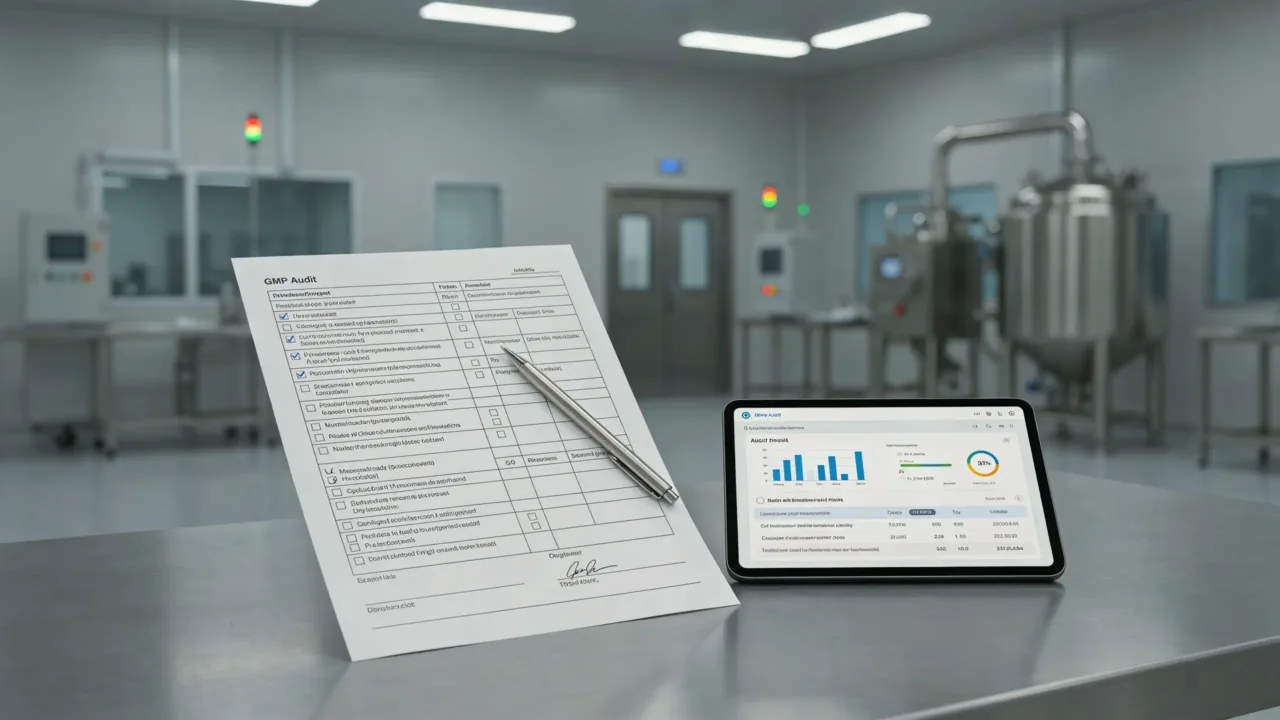
Frequently Asked Questions

1. What is the difference between a GMP facility audit and a regulatory inspection?

A GMP facility audit is conducted by internal or external auditors to assess compliance and identify improvement opportunities. A regulatory inspection is conducted by authorized regulatory inspectors to determine whether a company meets applicable regulatory requirements.

2. What is checked during a GMP facility audit?

A GMP facility audit may examine building design, facility layout, cleanroom classification, HVAC and water systems, cleaning and sanitation, pest control, equipment, maintenance, documentation, and data integrity.

3. What is checked during a regulatory inspection?

Regulatory inspectors may review facility conditions, manufacturing processes, quality systems, equipment, records, data integrity, and corrective actions. The exact scope depends on the authority and the purpose of the inspection.

4. Can a GMP facility audit replace a regulatory inspection?

No. A facility audit helps identify compliance gaps and improve readiness, but it cannot replace an official regulatory inspection or guarantee a successful inspection outcome.

5. How often should a GMP facility audit be conducted?

The frequency should be based on risk, facility complexity, applicable requirements, previous findings, and the company’s audit program. Organizations should establish a documented schedule and review it when significant changes or compliance concerns arise.

6. How does GxP Cellators support GMP facility audit preparation?

GxP Cellators offers support through facility audits, mock regulatory inspections, pre-inspection readiness assessments, data integrity audits, documentation reviews, and CAPA verification and follow-up.

7. How can I contact GxP Cellators for GMP auditing services?

Visit the GxP Cellators contact page to discuss your GMP facility audit, compliance assessment, or regulatory inspection preparation needs.


Our Presence


Saskatchewan, Canada

Calgary, Canada

Toronto, Canada

North Carolina, USA

Frankfurt, Germany


Indiana, USA

Get in Touch


Saskatchewan, Canada

https://www.gxpcellators.com


You cannot copy content of this page

Verified by MonsterInsights