
Introduction
Pharmaceutical companies must maintain high standards of quality, safety, documentation, and regulatory compliance. Regulatory authorities may inspect manufacturing facilities to verify whether their operations follow Good Manufacturing Practices (GMP). Therefore, maintaining inspection readiness is an important part of pharmaceutical quality management.
GMP facility audits help companies identify compliance gaps before regulatory inspectors find them. These audits review facility conditions, manufacturing practices, documentation, equipment, personnel training, and quality systems. By identifying weaknesses early, organizations can take corrective action and improve their overall compliance status.
Regular audits also help pharmaceutical companies prepare their teams, strengthen documentation practices, and maintain a consistent approach to quality. GMP facility audits improve inspection readiness by helping organizations identify risks, correct deficiencies, and maintain control over their operations.
GxP Cellators provides GMP auditing services to support pharmaceutical organizations in assessing facility compliance and preparing for regulatory inspections.
What Are GMP Facility Audits?
GMP facility audits are systematic assessments of pharmaceutical facilities, processes, and quality systems against applicable Good Manufacturing Practices requirements. Their purpose is to determine whether a facility follows established procedures and maintains suitable conditions for manufacturing pharmaceutical products.
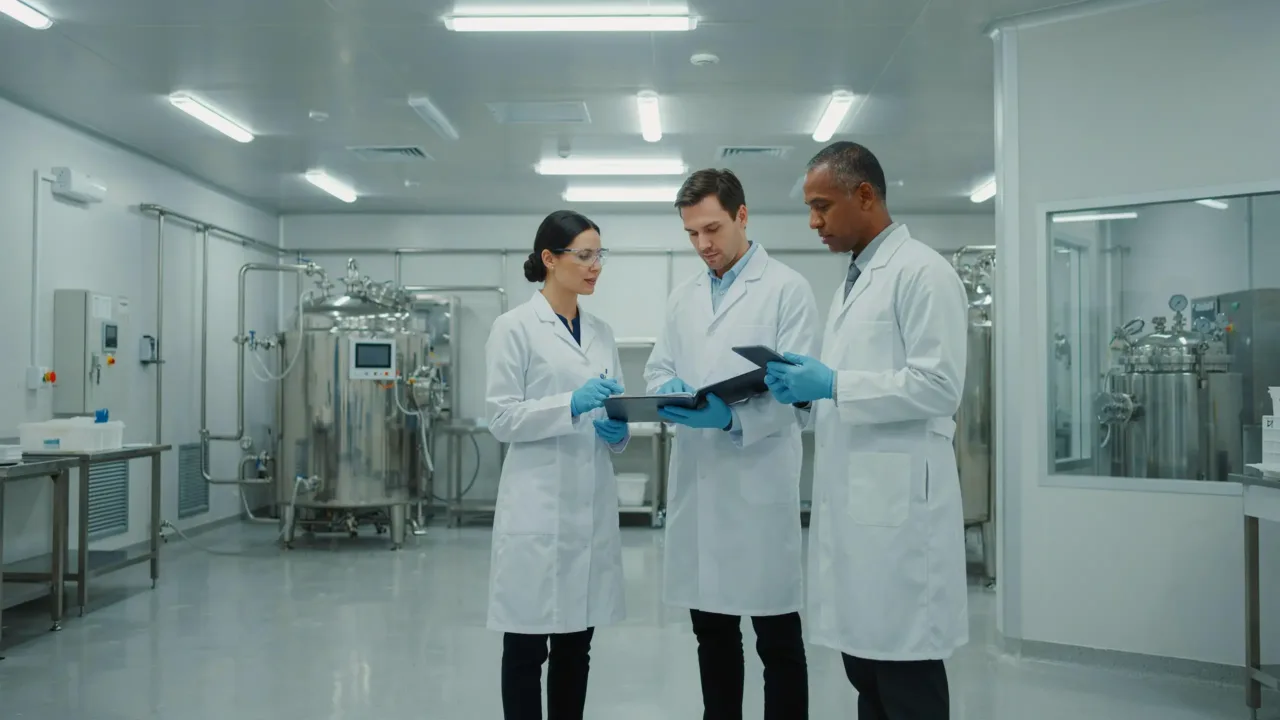
These audits may cover manufacturing areas, warehouses, laboratories, equipment, utilities, cleaning procedures, environmental controls, and documentation systems. Auditors also examine whether employees follow approved procedures and understand their responsibilities.
The audit scope depends on the facility, its activities, applicable regulations, and identified risks. For example, a facility handling sterile products may require particular attention to contamination control, cleanroom practices, and environmental monitoring.
GMP facility audits can be conducted internally or by qualified external auditors. Both approaches help identify weaknesses and support continuous improvement. However, an audit does not guarantee regulatory approval. Its value comes from identifying issues and ensuring that appropriate corrective actions are implemented.
How GMP Facility Audits Improve Inspection Readiness
1. Identify Compliance Gaps Before Inspections
One of the main benefits of GMP facility audits is the early identification of compliance gaps. Small issues can become significant findings if they remain unresolved or indicate weaknesses in the quality system.
During an audit, reviewers assess facility practices against applicable GMP requirements and approved procedures. They may identify incomplete records, inconsistent cleaning practices, maintenance issues, inadequate training, or ineffective corrective actions.
Finding these problems early gives the organization time to investigate their causes and implement suitable improvements.
For example, if an audit identifies missing equipment maintenance records, the company can investigate the documentation gap, review its maintenance process, and introduce controls to prevent recurrence.
This proactive approach helps organizations improve compliance before a regulatory inspection takes place.
2. Strengthen Documentation and Record Management
Documentation is an essential part of pharmaceutical GMP compliance. Regulatory inspectors often review records to verify that manufacturing, testing, cleaning, maintenance, and quality activities have been performed correctly.
GMP facility audits examine whether records are complete, accurate, consistent, and available when required. Auditors may review standard operating procedures (SOPs), batch manufacturing records, equipment logs, training records, deviation reports, and change control documentation.
The audit may also identify outdated procedures, missing approvals, inconsistent entries, or records that do not match actual practices.
Correcting these weaknesses helps organizations improve document control and maintain reliable evidence of compliance.
Companies should also ensure that employees understand documentation requirements and record information at the time activities are performed. Where electronic records are used, suitable controls should protect data accuracy, security, and traceability.
3. Improve Facility Conditions and Maintenance
Facility conditions can directly affect pharmaceutical product quality. Poor maintenance, inadequate cleaning, unsuitable material flows, and uncontrolled environmental conditions may increase contamination risks or affect manufacturing operations.
GMP facility audits assess whether buildings, production areas, storage spaces, and supporting utilities are maintained according to applicable requirements.
Depending on the facility, auditors may review:
- Cleaning and sanitation practices.
- Equipment condition and preventive maintenance.
- Material and personnel movement.
- Pest control arrangements.
- Temperature and humidity monitoring.
- Environmental monitoring and contamination controls.
- Storage conditions and housekeeping.
These checks help identify physical or operational weaknesses that may affect product quality.
For example, an audit may reveal that a maintenance activity was completed but the supporting record was not updated. Correcting the process helps improve both facility control and documentation reliability.
By addressing such findings, pharmaceutical companies can maintain suitable operating conditions and improve their inspection readiness.
4. Prepare Employees for Regulatory Inspections
Employees play an important role during regulatory inspections. Inspectors may ask personnel to explain their responsibilities, demonstrate procedures, or retrieve specific records.
Even when procedures are well written, employees may struggle to answer questions if they have not received suitable training or do not understand the processes they perform.
GMP facility audits can help identify these training needs. Auditors may observe activities, review training records, and assess whether employees follow approved procedures.
Organizations can use these findings to provide targeted training and improve employee awareness.
Mock inspections are another useful preparation method. They simulate selected aspects of a regulatory inspection, allowing employees to practise responding to questions and locating relevant documentation.
The objective is not to teach employees memorized answers. Instead, they should understand their work, follow approved procedures, and provide accurate information supported by records.
5. Strengthen CAPA and Corrective Action Management
Identifying a compliance gap is only the first step. Organizations must also investigate the issue, determine its root cause, and implement appropriate corrective and preventive actions (CAPA).
GMP facility audits help companies evaluate whether their CAPA systems are effective. Auditors may examine how findings are documented, investigated, assigned, tracked, and closed.
They may also review whether corrective actions address the underlying cause or only resolve the immediate problem.
For example, repeatedly finding incomplete cleaning records may indicate a deeper problem with training, supervision, procedure design, or record review.
An effective CAPA process addresses the cause and evaluates whether the action prevents recurrence. Follow-up audits can then verify implementation and effectiveness.
This approach helps pharmaceutical companies demonstrate that identified deficiencies are managed systematically rather than simply marked as closed.
6. Improve Data Integrity and Traceability
Data integrity is another important area of pharmaceutical compliance. Records must accurately represent the activities performed and remain reliable throughout their lifecycle.
During GMP facility audits, auditors may review paper-based records, electronic systems, access controls, audit trails, and procedures for recording and reviewing data.
Depending on the systems used, the assessment may consider whether records are attributable, legible, contemporaneous, original, and accurate, together with other applicable ALCOA+ principles.
Potential concerns include unexplained data changes, shared user accounts, incomplete audit trail reviews, and inconsistencies between source records and reported results.
Identifying these issues early allows organizations to investigate the underlying causes and strengthen their controls.
Reliable data supports better decision-making and helps demonstrate that pharmaceutical operations are conducted according to approved procedures.
7. Support Risk-Based Audit Planning
Not every facility, process, or compliance issue presents the same level of risk. Therefore, organizations should consider risk when planning audits and deciding which areas require more attention.
A risk-based GMP facility audit approach prioritizes areas that may have a greater impact on product quality, patient safety, or regulatory compliance.
For example, sterile manufacturing operations, critical utilities, contamination control, and processes with repeated deviations may require closer review, depending on the facility and its activities.
Audit findings, previous inspection observations, product risks, process changes, and CAPA history can help determine audit priorities.
This approach allows companies to use their resources more effectively while maintaining appropriate oversight of important operations.
Regular risk-based assessments also help organizations respond to changing processes, new equipment, and emerging compliance concerns.
How GxP Cellators Supports Pharmaceutical Inspection Readiness
GxP Cellators provides GMP auditing services to help pharmaceutical organizations assess their compliance practices and identify areas requiring improvement.
The goal is to provide practical insights that organizations can use to strengthen their quality systems and prepare for regulatory inspections.
Our Inspection Readiness Services Include
- Full-scope facility audits: Assessing relevant facility operations, processes, and compliance controls.
- Pre-inspection readiness assessments: Identifying potential gaps before a planned regulatory inspection.
- Mock regulatory inspections: Simulating inspection activities to help teams evaluate their preparedness.
- Documentation reviews: Checking relevant records, procedures, and documentation practices.
- Data integrity audits: Reviewing applicable data management practices and controls.
- Inspection readiness training: Helping personnel understand inspection expectations and their responsibilities.
- CAPA verification and follow-up: Reviewing corrective actions and checking whether identified issues have been addressed effectively.
The audit scope can be tailored to the organization’s facility, operations, compliance objectives, and identified risks.
Why Choose GxP Cellators?
Pharmaceutical organizations need audit findings that are clear, relevant, and useful for improvement. GxP Cellators focuses on practical assessments that help businesses understand their compliance gaps and plan appropriate actions.
Key benefits include:
- Auditors with regulatory inspection and industry quality experience.
- Consideration of applicable FDA, EMA, Health Canada, MHRA, and WHO requirements.
- A risk-based approach tailored to facility operations.
- Practical audit reports highlighting observations and improvement opportunities.
- Confidential handling of proprietary business and quality information.
Organizations can use these services to strengthen their internal processes, improve documentation practices, and support ongoing inspection readiness.
To discuss your requirements, visit the GxP Cellators contact page.
Best Practices for Maintaining GMP Inspection Readiness
Although GMP facility audits are valuable, inspection readiness should not depend on a single audit before an inspection.
Pharmaceutical companies should maintain an ongoing compliance program that includes regular audits, employee training, documentation reviews, and timely CAPA management.
The following practices can help:
- Maintain an audit schedule: Plan audits according to applicable requirements, facility risks, and previous findings.
- Keep procedures updated: Review SOPs when processes, equipment, or regulatory requirements change.
- Review documentation regularly: Ensure relevant records are complete, accurate, controlled, and accessible.
- Track corrective actions: Assign responsibility and deadlines, and verify CAPA effectiveness.
- Train employees continuously: Provide role-specific training and document completion.
- Conduct mock inspections: Use simulations to identify weaknesses in communication, documentation retrieval, and inspection coordination.
- Review previous findings: Check whether recurring issues indicate broader problems within the quality system.
These practices help organizations maintain better control over their operations and reduce the risk of avoidable compliance gaps.
Frequently Asked Questions
Q1. How do GMP facility audits improve inspection readiness?
GMP facility audits improve inspection readiness by identifying compliance gaps, reviewing documentation, assessing facility conditions, evaluating data integrity, and checking employee training. They also help organizations implement corrective actions before regulatory inspectors identify unresolved issues.
Q2. What is a mock inspection?
A mock inspection simulates selected activities associated with a regulatory inspection. It helps evaluate employee preparedness, documentation retrieval, inspection coordination, and the organization’s ability to explain its procedures and practices.
Q3. How often should inspection readiness activities be conducted?
Inspection readiness should be maintained continuously. Audit frequency should reflect applicable requirements, facility risks, previous findings, and changes in operations. Mock inspections can be scheduled periodically or before a planned inspection when appropriate.
Q4. What areas are covered during a GMP facility audit?
A GMP facility audit may cover manufacturing areas, equipment, utilities, cleaning, maintenance, documentation, employee training, data integrity, material handling, and quality systems. The exact scope depends on the facility’s activities and applicable regulatory requirements.
Q5. How does CAPA support GMP inspection readiness?
CAPA helps organizations investigate compliance issues, identify root causes, implement corrective actions, and prevent recurrence. Follow-up reviews help verify that actions have been completed and are effective.
Q6. How does GxP Cellators support inspection readiness?
GxP Cellators offers GMP auditing services, facility assessments, mock regulatory inspections, documentation reviews, data integrity audits, inspection readiness training, and CAPA follow-up support tailored to organizational requirements.
Q7. How can I contact GxP Cellators for GMP auditing services?
You can visit the GxP Cellators contact page to discuss your facility audit requirements and inspection readiness objectives.
Conclusion
GMP facility audits are an important part of maintaining pharmaceutical inspection readiness. They help organizations identify compliance gaps, improve facility conditions, strengthen documentation, evaluate data integrity, and prepare employees for regulatory inspections.
However, an audit is most effective when its findings lead to meaningful corrective actions and ongoing improvement. Companies should maintain regular audit schedules, review their quality systems, and verify that identified issues have been addressed effectively.
With a structured and risk-based approach, pharmaceutical organizations can strengthen their compliance practices and maintain better control over their operations.
GxP Cellators supports organizations through GMP auditing services, pre-inspection readiness assessments, mock inspections, documentation reviews, and related compliance support.
Need support with pharmaceutical inspection readiness? Visit the GxP Cellators contact page to discuss your requirements.

