
Introduction
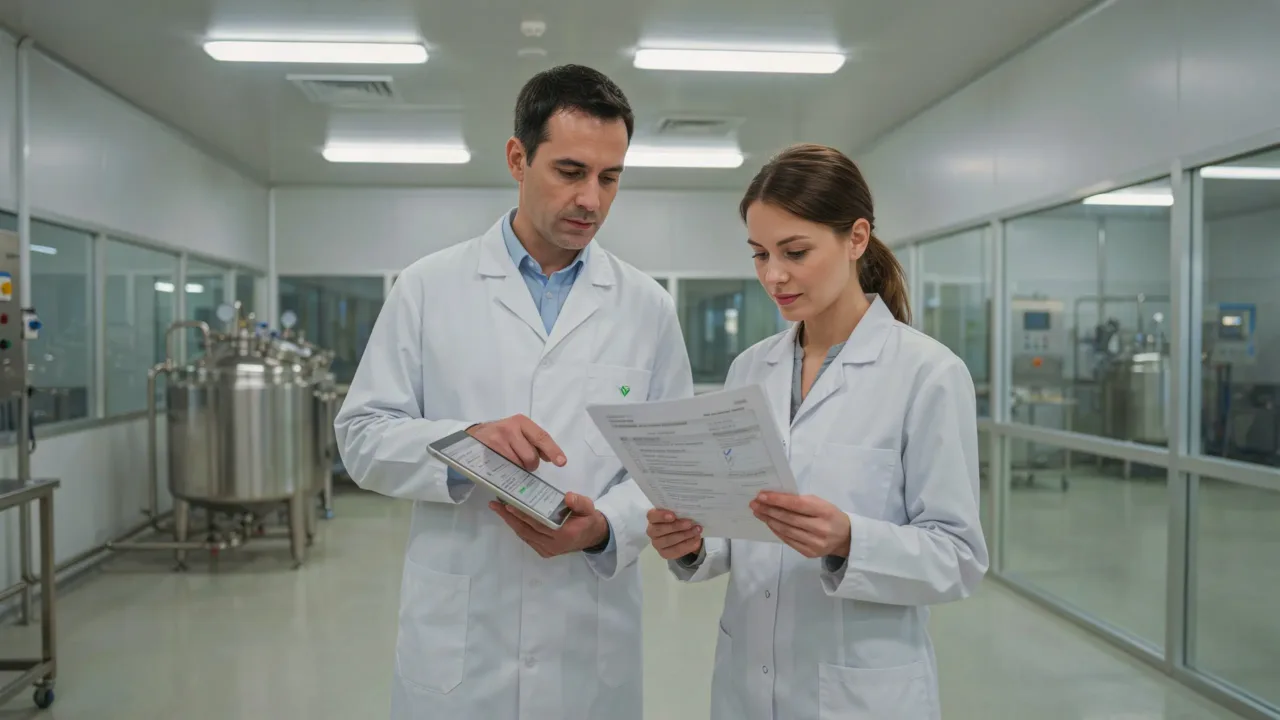
A GMP facility audit helps pharmaceutical companies check whether their buildings, utilities, equipment, and supporting systems meet applicable Good Manufacturing Practices (GMP) requirements. A well-maintained facility plays an important role in product quality, contamination control, and patient safety.
A GMP facility audit checklist helps auditors review critical areas in a structured way. It also helps quality teams identify weaknesses before a regulatory inspection. In 2026, companies should pay close attention to facility maintenance, environmental controls, documentation, data integrity, and corrective actions.
GxP Cellators supports pharmaceutical organizations through GMP facility audits, inspection readiness assessments, mock inspections, and other quality and compliance services. This guide explains 20 important areas auditors should check during a pharmaceutical facility audit.
What Is a GMP Facility Audit?
A GMP facility audit is a systematic review of the physical environment and supporting systems used in pharmaceutical manufacturing. Its purpose is to determine whether the facility is suitable for its intended operations and whether relevant GMP requirements are being followed.
During an audit, reviewers examine building conditions, cleanrooms, heating, ventilation and air conditioning (HVAC), water systems, equipment, sanitation, maintenance, and documentation. They also evaluate how effectively the company controls contamination and manages changes.
The audit findings help organizations understand existing risks, correct deficiencies, and improve inspection readiness. The audit scope and frequency should be based on applicable regulations, facility risks, previous findings, and the complexity of manufacturing operations.
GMP Facility Audit Checklist: 20 Things Auditors Should Check
The following checklist covers 20 important areas that pharmaceutical companies should review. Specific requirements may vary depending on the products manufactured, facility design, and applicable regulatory standards.
1. Building Design and Construction
Auditors check whether the building is suitable for pharmaceutical manufacturing and can support the required operations. Floors, walls, ceilings, and other surfaces should be appropriate for their intended use and easy to clean where necessary.
What auditors should check:
- Is the building designed for its intended GMP operations?
- Are walls, floors, ceilings, and finishes suitable and well maintained?
- Is there enough space for equipment, materials, personnel, and manufacturing activities?
- Are damaged surfaces or structural defects identified and corrected?
Poor building conditions can increase contamination risks and make cleaning more difficult.
2. Layout and Material Flow
Facility layout should support an orderly movement of materials, products, and personnel. Poorly planned movement can increase the risk of mix-ups, cross-contamination, and interruptions to manufacturing operations.
What auditors should check:
- Are personnel and material flows clearly defined?
- Is appropriate segregation maintained between different operations?
- Are movement routes designed to reduce contamination and mix-up risks?
- Are procedures available for handling materials between processing areas?
Auditors may also review airlocks, transfer points, and access arrangements to confirm that the layout supports the required controls.
3. Cleanroom Classification and Environmental Monitoring
Cleanrooms used for controlled manufacturing operations must meet the cleanliness requirements applicable to their intended use. Classification, environmental monitoring, and contamination control measures should be supported by documented evidence.
What auditors should check:
- Are cleanrooms classified according to their intended use?
- Is environmental monitoring performed according to approved procedures?
- Are monitoring results reviewed against established limits?
- Are excursions investigated and documented?
Companies should also review trends to identify recurring contamination risks rather than relying only on individual test results.
4. HVAC Systems
Heating, ventilation, and air conditioning systems help maintain suitable temperature, humidity, air cleanliness, and pressure conditions. Their performance can directly affect the manufacturing environment.
What auditors should check:
- Are HVAC systems appropriately qualified for their intended use?
- Are filters inspected, maintained, and replaced according to procedures?
- Are pressure differentials monitored where required?
- Are temperature and humidity records reviewed for deviations?
Qualification records, maintenance activities, and investigations should demonstrate that the system remains suitable for its intended purpose.
5. Water Systems
Pharmaceutical water systems must consistently provide water of the required quality for their intended applications. Auditors review the system design, qualification, monitoring, maintenance, and handling of water quality issues.
What auditors should check:
- Has the water system been appropriately qualified?
- Is water quality monitored at defined locations and intervals?
- Are results within established specifications and limits?
- Are out-of-specification results and adverse trends investigated?
Companies should also maintain suitable sanitization, maintenance, and sampling records.
6. Clean Steam Systems
Clean steam may be used in pharmaceutical processes where its quality can affect products, equipment, or product-contact surfaces. The required quality depends on its intended application.
What auditors should check:
- Is the clean steam system qualified for its intended use?
- Are relevant quality parameters monitored?
- Are results reviewed against established acceptance criteria?
- Are maintenance, testing, and investigation records available?
Any failure to meet established requirements should be assessed for its potential impact on product quality.
7. Compressed Air Systems
Compressed air may come into contact with products, product-contact surfaces, or manufacturing equipment. Therefore, its quality must be appropriate for the intended use.
What auditors should check:
- Is the compressed air system qualified where required?
- Are relevant quality attributes monitored?
- Are filters, dryers, and other critical components maintained?
- Are test results and corrective actions documented?
Auditors should verify that the monitoring plan addresses the risks associated with the system’s actual use.
8. Lighting
Adequate lighting helps personnel perform manufacturing, cleaning, inspection, and maintenance activities correctly. Poor lighting may make it difficult to identify defects, residues, or damaged equipment.
What auditors should check:
- Is lighting sufficient for the activities performed in each area?
- Are light fixtures suitable for the environment?
- Are damaged fixtures repaired promptly?
- Are lighting systems maintained and cleaned where necessary?
Companies should also assess whether broken fixtures could create contamination or foreign-material risks.
9. Drainage Systems
Drainage systems should be designed and maintained to prevent contamination and support effective sanitation. Their suitability depends on the facility design, manufacturing activities, and applicable requirements.
What auditors should check:
- Is drainage suitable for the activities performed?
- Are drains designed and positioned to reduce contamination risks?
- Are drainage systems cleaned and maintained?
- Are leaks, blockages, or other defects addressed promptly?
Auditors may pay particular attention to drainage in areas where contamination control is critical.
10. Cleaning and Sanitation
Cleaning and sanitation programs help maintain acceptable facility conditions and reduce contamination risks. Procedures should clearly describe responsibilities, cleaning methods, frequencies, and the materials to be used.
What auditors should check:
- Are cleaning procedures approved and available?
- Are cleaning activities documented in appropriate records?
- Are cleaning materials stored and handled correctly?
- Is sanitation effective for the intended environment?
Auditors should also review whether cleaning failures, recurring issues, and deviations are investigated and corrected.
11. Pest Control
Pests can introduce contamination into pharmaceutical facilities. A suitable pest control program should identify potential entry points, define monitoring activities, and document the response to any pest activity.
What auditors should check:
- Is an appropriate pest control program in place?
- Are inspection and monitoring records maintained?
- Are pest control measures suitable for the facility?
- Are findings investigated and corrective actions documented?
Pest control activities should not create additional contamination risks for manufacturing areas, materials, or products.
12. Facility Maintenance
Preventive maintenance helps keep buildings and supporting systems in a suitable condition. Unplanned failures can disrupt production and create risks for product quality or contamination control.
What auditors should check:
- Is there an approved facility maintenance program?
- Are maintenance activities completed and documented?
- Are defects and recurring failures investigated?
- Are maintenance activities controlled to protect manufacturing areas?
Auditors may also review whether equipment or rooms are inspected before returning to use after maintenance.
13. Equipment Condition and Calibration
Manufacturing and supporting equipment should be suitable for its intended use and maintained in a controlled condition. Measuring instruments must provide reliable results when their accuracy is important to product quality.
What auditors should check:
- Is equipment appropriately designed and installed?
- Are maintenance and calibration activities completed as required?
- Are equipment status labels and records current?
- Are equipment failures and calibration deviations investigated?
Companies should evaluate the potential impact of equipment problems on affected products, processes, and previously generated data.
14. Utilities and Supporting Systems
Utilities such as electricity, gases, ventilation, and other facility services support reliable pharmaceutical operations. Their criticality depends on how they affect product quality and process performance.
What auditors should check:
- Are critical utilities qualified where required?
- Are relevant performance parameters monitored?
- Are utilities maintained according to approved procedures?
- Are failures and interruptions documented and assessed?
The company should demonstrate that utility-related risks are understood and controlled.
15. Waste Management
Pharmaceutical waste must be handled and removed in a way that protects personnel, products, the environment, and manufacturing operations. Appropriate controls depend on the type of waste and applicable requirements.
What auditors should check:
- Is waste segregated and stored appropriately?
- Are waste removal procedures documented?
- Are relevant waste handling records maintained?
- Is waste disposal performed according to applicable requirements?
Auditors should also assess whether waste movement creates contamination or mix-up risks.
16. Facility Security and Access Control
Access controls help prevent unauthorized entry into manufacturing, storage, and other controlled areas. Security arrangements should support product protection and the integrity of critical operations.
What auditors should check:
- Is access restricted to authorized personnel where necessary?
- Are access permissions defined and reviewed?
- Are relevant access records maintained?
- Are security incidents documented and investigated?
Security arrangements should be proportionate to the risks associated with the area and the activities performed there.
17. Change Control
Changes to facility design, utilities, equipment, room classification, or manufacturing layouts may affect product quality and compliance. A formal change control process helps ensure that changes are assessed before implementation.
What auditors should check:
- Are facility changes reviewed and approved before implementation?
- Are documented impact assessments completed?
- Are qualification or validation activities performed when required?
- Are updated procedures and records available after changes?
Auditors should also verify that changes are properly closed and that required follow-up actions have been completed.
18. Documentation and Record Control
Accurate, complete, and current documentation is essential for demonstrating GMP compliance. Facility drawings, qualification reports, maintenance logs, cleaning records, and monitoring results should be controlled and retrievable.
What auditors should check:
- Are facility documents approved and controlled?
- Are records complete, legible, and traceable?
- Are obsolete documents removed from active use?
- Are required records available for review?
Documentation gaps can make it difficult to demonstrate that facility systems remain in a controlled state.
19. Personnel Training
Personnel must understand the procedures and responsibilities relevant to their work. Training is especially important for cleaning, maintenance, contamination control, and activities performed in controlled areas.
What auditors should check:
- Have personnel completed required training?
- Are training records current and available?
- Do employees understand the procedures they perform?
- Is additional training provided when procedures or responsibilities change?
Companies should evaluate training effectiveness where appropriate instead of relying only on attendance records.
20. Data Integrity
Data integrity ensures that records used to demonstrate compliance are reliable, complete, and accurate. Facility audits may include electronic monitoring systems, access records, environmental monitoring data, and maintenance documentation.
What auditors should check:
- Are appropriate access controls in place?
- Are audit trails enabled and reviewed where required?
- Are records protected against unauthorized changes or loss?
- Are data discrepancies investigated and documented?
Companies should follow applicable data integrity expectations and maintain controls appropriate to the systems and records involved.
How to Use This GMP Facility Audit Checklist Effectively
A checklist is most useful when it supports a structured, risk-based audit rather than a simple tick-box exercise. Before starting, define the audit scope, identify critical facility systems, and review previous audit findings, deviations, and corrective actions.
During the audit, examine both documents and actual facility conditions. Interview relevant personnel, review maintenance and monitoring records, and verify that approved procedures reflect what happens in practice.
After completing the review, classify findings according to their potential impact and applicable requirements. Assign responsibilities, establish realistic completion dates, and verify the effectiveness of corrective actions.
The checklist should be adapted to the facility’s operations, product risks, and applicable regulatory requirements. It does not replace a detailed assessment against relevant regulations or site-specific procedures.
How GxP Cellators Supports GMP Facility Audits
GxP Cellators provides GMP auditing and compliance support to pharmaceutical organizations seeking to strengthen their quality systems and inspection readiness. Its approach focuses on identifying potential compliance gaps, assessing risks, and helping organizations develop practical corrective actions.
Our Facility Audit Services Include
- Full-scope facility audits: Review facility conditions, supporting systems, documentation, and relevant GMP controls.
- Pre-inspection readiness assessments: Identify potential weaknesses before an anticipated regulatory inspection.
- Mock regulatory inspections: Help teams prepare for inspection activities and improve their response processes.
- Data integrity audits: Assess relevant controls for records, electronic systems, and data handling.
- CAPA verification and follow-up: Review corrective and preventive actions and assess whether identified issues have been addressed effectively.
Why Choose GxP Cellators?
GxP Cellators supports pharmaceutical companies with a risk-based approach to auditing and quality improvement. Audit activities can be tailored to facility operations, applicable requirements, and identified risks.
Organizations can benefit from practical findings, clear recommendations, and support for improving compliance processes. Relevant regulatory frameworks may include FDA, EMA, Health Canada, MHRA, and WHO requirements, depending on the organization’s markets and obligations.
For businesses preparing for an audit or reviewing their current facility controls, professional auditing support can help identify areas that require attention.
Frequently Asked Questions
1. What is a GMP facility audit?
A GMP facility audit is a systematic examination of the physical environment, utilities, equipment, and supporting systems used in pharmaceutical manufacturing. It helps determine whether the facility meets applicable GMP requirements and supports product quality.
2. What should auditors check during a GMP facility audit?
Auditors should review building design, layout, cleanroom classification, HVAC, water systems, clean steam, compressed air, lighting, drainage, cleaning, pest control, maintenance, equipment, utilities, waste management, security, change control, documentation, training, and data integrity.
3. How often should GMP facility audits be conducted?
Audit frequency should be based on applicable regulations, company procedures, operational risks, previous findings, and significant changes. Annual audits may be appropriate in some quality programs, while higher-risk areas may require more frequent reviews.
4. How can companies prepare for a GMP facility audit?
Companies should review facility qualification records, maintenance logs, cleaning procedures, environmental monitoring results, training records, change controls, and previous CAPA actions. They should also inspect the physical facility and resolve known deficiencies before the audit.
5. What are common findings during GMP facility audits?
Common findings may include incomplete maintenance records, inadequate cleaning documentation, unresolved facility defects, gaps in environmental monitoring, outdated procedures, insufficient change control, and weaknesses in data integrity controls. Actual findings depend on the facility and audit scope.
6. What is the difference between a GMP facility audit and a regulatory inspection?
A GMP facility audit is generally conducted as part of an organization’s internal or external quality oversight activities. A regulatory inspection is conducted by a relevant authority to assess compliance with applicable legal and regulatory requirements.
7. How does GxP Cellators support facility audits?
GxP Cellators offers GMP auditing and compliance support, including facility audits, pre-inspection readiness assessments, mock inspections, data integrity reviews, and CAPA follow-up. The scope can be tailored to an organization’s facility and compliance needs.
8. How can I contact GxP Cellators for GMP facility audit support?
Visit the GxP Cellators contact page to discuss your facility audit requirements and explore suitable auditing support.
Contact GxP Cellators
A structured GMP facility audit can help pharmaceutical companies identify weaknesses, strengthen facility controls, and improve inspection readiness. Reviewing the 20 areas in this checklist is a practical starting point for evaluating facility conditions and supporting systems.
If your organization needs assistance with pharmaceutical facility audits, inspection readiness, or GMP compliance, contact GxP Cellators to discuss your requirements.

