GMP audit consultant Archives | GxP Cellators Consultants Ltd.

23/10/2026
Picture-5-3-1280x720.webp

What GMP Compliance Audit Services Do

GMP compliance audit services measure whether your actual practices and records meet the regulations that apply to you. The emphasis is on evidence of ongoing control. Regulators are not interested in a burst of activity before an inspection. They want to see that the system works every day, whether or not anyone is watching.

A compliance audit tests that claim. It looks at records, interviews staff, observes operations, and checks whether the documented system matches reality. When the two diverge, the audit captures the gap and explains why it matters. The work is not about finding fault with individuals. It is about finding weaknesses in systems so that they can be corrected before a regulator finds them.

Many companies approach compliance audits with some anxiety, especially if they have never had an independent review. In practice, most teams find the process useful. It gives them a clear picture of where they stand and a defensible plan for improvement. The report also becomes valuable evidence during inspections, because it shows that the company monitors itself seriously.

The Regulatory Basis for Compliance Audits

FDA 21 CFR 211.22 and 211.192

The quality control unit must ensure compliance and investigate deviations thoroughly. Audit data shows whether these responsibilities are being met in practice. FDA investigators often ask for audit reports and want to see how findings were handled. If the reports show only minor issues year after year, investigators may question whether the program is meaningful.

EU GMP Chapter 9 and Self Inspection

EU regulations require a documented self inspection program with defined frequency and follow up. Compliance audits are the engine of that program. Chapter 9 also expects the results to be evaluated and corrective action taken. An audit that produces a report but no action is not compliant in spirit or in letter.

ICH Q10 and Continual Improvement

ICH Q10 links audit results to management review and continual improvement. Without reliable audit data, improvement efforts lose direction. Management review needs objective inputs, and audit reports are among the most valuable.

PIC/S and WHO Guidance

Both PIC/S and WHO emphasize risk based audit programs as a core element of the quality system. Their guidance informs how we structure our audits, including how we classify findings and how we prioritize corrective actions.

Annex 1 and Contamination Control

For sterile manufacturers, the revised Annex 1 adds expectations around contamination control strategy. A compliance audit for a sterile site should check that the strategy is documented, implemented, and supported by data.

Core Areas of Our Compliance Audits

Quality Management System Effectiveness

We look at whether the quality system prevents problems, detects them when they occur, and corrects them effectively. That means reviewing CAPA, change control, deviation management, and management review. We also check whether quality decisions are documented and whether the quality unit has the authority it needs.

Production and Process Controls

We check whether processes are controlled and validated, whether in process checks are performed as required, and whether the results are documented. We look at how process parameters are monitored and what happens when they drift outside the validated range.

Documentation and Record Integrity

Good documentation is a regulatory requirement, not a nicety. We review records for accuracy, completeness, and traceability, and we check data integrity controls. We look at how corrections are made, whether records are contemporaneous, and whether audit trails are reviewed.

CAPA System Performance

A CAPA system that closes actions without verifying effectiveness is a common weakness. We test whether CAPAs actually solve problems or just close tickets. We also check whether recurring issues are recognized and addressed at the system level.

Facility and Equipment Maintenance

We review maintenance and calibration records, cleaning and sanitation practices, and the overall condition of the facility. Poor facility conditions are easy for inspectors to see, so they matter even when the product itself is fine.

Training and Personnel Qualification

We check training records, qualification of personnel for specific tasks, and whether training content matches current procedures. Training that is completed but not understood shows up in practice, and we look for that.

Common Compliance Gaps We Identify

Incomplete Deviation Investigations

Investigations that stop at the immediate cause without reaching the root cause are a frequent finding. Regulators view this as a systemic weakness because it means problems will recur.

Weak Change Control Evaluations

Changes that are not properly evaluated for impact on product quality and regulatory status create risk. We check whether change control is meaningful and whether changes are implemented as approved.

Data Integrity Control Gaps

Missing audit trails, shared logins, and uncontrolled spreadsheets are common issues. We help companies find and fix them before an inspector does. Data integrity findings can be severe, so early detection matters.

Supplier Oversight Deficiencies

Oversight that relies only on questionnaires and certificates, without audits or performance monitoring, is often flagged. We help strengthen that oversight with a risk based approach.

Inadequate Management Review

Management review that happens on schedule but produces no decisions is a weak point. We check whether reviews use meaningful data and whether actions are tracked to completion.

How the Audit Process Works

Planning and Document Review

We agree on scope, review key documents, and build an audit plan that focuses on the highest risk areas.

On Site Verification

We visit the site, observe operations, interview staff, and review records. We look for evidence that the system described in documents is the system in use.

Finding Classification and Reporting

Findings are classified by severity and linked to the relevant regulation. Each finding includes a clear description and a recommended corrective action.

Follow Up

We can return to verify that corrective actions were implemented and effective. This step is often what regulators find most convincing.

Prepare for Your Next Inspection

Visit https://www.gxpcellators.com/gmp-auditing/ to learn more about our approach. Email or complete the form at https://www.gxpcellators.com/contact/.

Frequently Asked Questions About GMP Compliance Audits

How is a compliance audit different from a gap assessment?

A compliance audit checks whether you meet the regulations today and produces findings with corrective actions. A gap assessment is forward looking and focuses on readiness for a future state, such as a new product launch or an inspection. The two often overlap in practice, but the emphasis is different.

Can a compliance audit be used as evidence for regulators?

Yes. Audit reports, findings, and corrective actions can be shown to inspectors as evidence of an active compliance program. Regulators often ask for them, so keeping good records is important. A well documented program is a strong signal of quality culture.

What is the most common finding in compliance audits?

Weak CAPA systems and incomplete deviation investigations are the most common findings we see. Data integrity issues are also frequent and carry high risk. Supplier oversight and management review weaknesses follow closely.

How do you decide what to audit first?

We use risk. Areas that directly affect product quality and patient safety come first, followed by areas with a history of issues or upcoming regulatory scrutiny. We also consider the products you make and the markets you serve.

Do you audit data integrity separately?

Data integrity is covered within the audit, and we can also run a focused data integrity assessment if you need deeper coverage. This is often useful before an inspection or when introducing new computerized systems.

How long does a compliance audit take?

Most audits take several days to two weeks depending on scope. We agree the timeline before work begins so you can plan around it.

Will the audit disrupt our operations?

We plan around your production schedule and keep disruption low. Most of the work is document review and interviews, with limited time on the floor. Staff involvement is usually a few hours per person.

How can I schedule a compliance audit?

Email or use https://www.gxpcellators.com/contact/. You can review our services at https://www.gxpcellators.com/gmp-auditing/.


23/10/2026
Picture-4-1-1280x720.webp

What Pharmaceutical GMP Audit Services Cover

Pharmaceutical GMP audit services are designed specifically for the drug manufacturing sector. The work covers finished dosage forms, active pharmaceutical ingredients, and the contract organizations that support them. Audits examine whether the operation meets the full set of pharmaceutical GMP requirements across production, quality control, documentation, and facility management.

What makes pharmaceutical auditing different from general manufacturing audits is the level of detail regulators expect. A batch record must show exactly who did what and when. An investigation must reach a defensible root cause. A validation package must support the process it describes. Our audits are built around these expectations.

The Regulatory Framework Behind Pharmaceutical GMP Audits

FDA 21 CFR Parts 210 and 211

These regulations set the cGMP requirements for finished pharmaceuticals in the United States. They cover organization and personnel, buildings and facilities, equipment, control of components, production and process controls, packaging and labeling, holding and distribution, laboratory controls, and records and reports. Every audit we perform maps back to these requirements.

EU GMP Guide, EudraLex Volume 4

The EU GMP Guide covers medicinal products in Part I, APIs in Part II, and a long list of annexes for specific dosage forms and topics. The 2022 revision of Annex 1, which deals with sterile products, introduced significant new expectations around contamination control. We audit against all relevant parts and annexes.

ICH Q7 for APIs

ICH Q7 sets GMP requirements for active pharmaceutical ingredients. It covers everything from quality management to specific production and laboratory controls for API manufacturing.

ICH Q9 and Q10

Quality risk management and the pharmaceutical quality system are cross cutting expectations that apply to every pharmaceutical manufacturer. Our audits check how well these are embedded in daily practice.

What Our Pharmaceutical GMP Audits Evaluate

Batch Records and Documentation

We review batch records for completeness, accuracy, and traceability. We look at whether deviations were documented and investigated, and whether the records tell a coherent story from start to finish.

Validation and Qualification Status

We check the status of process validation, cleaning validation, analytical method validation, and equipment qualification. We look for gaps between what was planned and what was actually done.

Environmental Monitoring and Contamination Control

For sterile and non sterile products alike, contamination control matters. We review environmental monitoring data, trend analysis, and the overall contamination control strategy.

Laboratory Controls and Data Integrity

Laboratory data must be reliable. We review analytical methods, instrument qualification, and data integrity controls such as audit trails, user access, and electronic record management.

Supplier and CMO Oversight

Most pharmaceutical companies rely on suppliers and contract manufacturers. We check whether oversight is real and documented, not just a folder of certificates.

Annex 1 Readiness for Sterile Manufacturing

The revised Annex 1 requires a holistic contamination control strategy, not just a set of individual controls. We audit against the full set of expectations, including aseptic process simulation, gowning qualification, and the requirement for pre use post sterilization integrity testing where applicable. Companies facing EU inspections for sterile products should treat this as a priority.

Request a Pharmaceutical GMP Audit

Learn more at https://www.gxpcellators.com/gmp-auditing/. Contact us at or through https://www.gxpcellators.com/contact/ to discuss your product types and audit scope.

Frequently Asked Questions About Pharmaceutical GMP Audit Services

Do you audit both sterile and non sterile products?

Yes. Sterile products bring additional requirements, especially under EU Annex 1, and we audit against those. Non sterile solid and liquid dosage forms are also within our scope.

Can you audit our contract manufacturer on our behalf?

Yes. We regularly audit CMOs on behalf of the contract giver. You receive the report, and we can help you evaluate the CMO’s corrective actions.

How do you handle API audits under ICH Q7?

We review the full ICH Q7 scope, including quality management, personnel, facilities, process equipment, documentation, materials management, production, packaging, laboratory controls, and stability. Supplier and contractor oversight is also covered.

What if we are preparing for an EU inspection for sterile products?

We recommend a focused Annex 1 readiness audit. It covers the contamination control strategy, aseptic process simulation, gowning, and integrity testing expectations.

Do you review data integrity as part of pharmaceutical audits?

Yes. Data integrity is a standard part of every audit. We review audit trails, user access controls, and how electronic records are managed and retained.

How do you keep the audit focused on our products?

Before the audit we review your product types, processes, and markets. The audit plan is built around those specifics, not a generic checklist.

How can I request a pharmaceutical GMP audit?

Email or use https://www.gxpcellators.com/contact/. Our services are described at https://www.gxpcellators.com/gmp-auditing/.


23/10/2026
Picture-3-1-1280x720.webp

The Role of a GMP Audit Consultant

A GMP audit consultant is an independent expert who plans, performs, and reports on GMP audits for a client organization. The consultant brings three things that internal teams often lack: specialized knowledge, outside perspective, and time. Internal quality teams are usually stretched thin. A consultant can take on the audit workload and deliver results without pulling the team away from daily production support.

Good consultants do more than check boxes. They interpret regulations in context, explain why a finding matters, and suggest fixes that are realistic for the size and type of operation. That combination of knowledge and practicality is what separates a useful consultant from a generic checklist service.

Why Regulations Make Consultants Valuable

FDA 21 CFR 211.22 and the Quality Control Unit

The quality control unit carries broad responsibilities for approving procedures, investigating deviations, and ensuring compliance. A consultant supports that unit by providing objective assessments and helping it meet its obligations in a documented way.

EU GMP Chapter 9 and Independent Self Inspection

Where internal resources lack specific expertise, such as sterile manufacturing or data integrity, engaging an external consultant is a recognized way to meet self inspection obligations properly. The key word is properly. An audit that misses critical issues is worse than no audit at all.

ICH Q10 and Management Review

Audit results, including those from external consultants, feed into management review. Senior management needs reliable information to make decisions about quality and resources. A consultant provides that information without internal politics getting in the way.

ICH Q7 for API Suppliers

If you make APIs, ICH Q7 adds specific audit expectations for suppliers and contractors. A consultant who knows ICH Q7 well can build a supplier audit program that holds up to scrutiny.

Expertise Areas of Our Consultants

Sterile and Non Sterile Manufacturing

Sterile manufacturing brings its own set of challenges, from aseptic technique to environmental monitoring. Our consultants have worked in these environments and understand the details that matter.

Quality Management System Design

We help companies build quality systems that work in practice, not just on paper. That includes document control, training systems, change control, and CAPA.

Supplier Qualification and Oversight

We design and run supplier qualification programs, including risk classification, questionnaire review, and on site audits.

Data Integrity and Computer System Validation

Data integrity findings are among the most serious a company can receive. Our consultants assess audit trails, access controls, and system validation to reduce that risk.

When to Engage a GMP Audit Consultant

Pre Inspection Preparation

Before an FDA or EMA inspection, an independent review can surface issues while there is still time to fix them. We call this a mock inspection, and it is one of our most requested services.

Supplier Qualification

When you need to qualify a new supplier or contract manufacturer, an independent audit gives you evidence to support the decision.

Post 483 Remediation

If you have received a Form 483 or a non compliance report, a consultant can help you build a credible remediation plan and verify that it works.

Quality System Maturity Assessments

Sometimes the question is not whether you comply, but how mature your system is compared to industry best practice. A maturity assessment answers that question.

Work With GxP Cellators

Our consulting team is ready to help. See our GMP Auditing page at https://www.gxpcellators.com/gmp-auditing/ for details. Email or use https://www.gxpcellators.com/contact/ to set up an initial discussion.

Frequently Asked Questions About GMP Audit Consultants

What does a GMP audit consultant actually do?

A consultant plans the audit, reviews documents, visits the site, interviews staff, and writes a report with findings and recommendations. Many also help with corrective action planning and follow up audits.

How is a consultant different from a full time quality employee?

A consultant brings specialized expertise for a defined period without adding permanent headcount. Consultants also bring outside perspective because they have seen many operations and know what good practice looks like.

What should I look for when hiring a GMP audit consultant?

Look for direct industry experience, knowledge of the regulations that apply to your products, and a track record of practical recommendations. Ask for references and ask how the consultant handles findings that are uncomfortable to hear.

Can a consultant help before an FDA inspection?

Yes. A mock inspection by an experienced consultant is one of the most effective ways to prepare. It surfaces issues while there is still time to fix them and helps staff get comfortable with the inspection process.

Do consultants write the corrective action plan for us?

We can draft recommendations and help you build the plan, but ownership stays with you. That is important because regulators expect the company to own its corrective actions.

How much does a GMP audit consultant cost?

Cost depends on scope, duration, and location. We provide a clear proposal after a short scoping call so you know the full cost before committing.

How do I contact your consultants?

Email or use https://www.gxpcellators.com/contact/. You can review our services at https://www.gxpcellators.com/gmp-auditing/.


23/10/2026
Picture-2-1-1280x720.webp

What GMP Auditing Services Really Mean

GMP auditing services are the professional delivery of audit work by qualified people who are not part of the operation being audited. That last point matters more than it first appears. When the same team that runs the plant also audits the plant, findings tend to soften. Familiarity breeds blind spots. Independent auditing services bring a different perspective, and that perspective is exactly what regulators want to see.

An independent audit does not assume anything. It looks for evidence. If a procedure says one thing and the floor does another, the audit captures the gap. If a deviation was closed without a proper investigation, the audit says so plainly. The result is a report you can trust and defend.

The Regulatory Case for Independent Auditing

EU GMP Chapter 9 and Self Inspection

Chapter 9 requires a documented self inspection program, and it expects the program to be effective. Independent auditors strengthen that program by removing internal bias. Many companies use a mix of internal audits and external reviews, and regulators generally view that combination positively.

FDA Expectations Around Audit Quality

FDA investigators routinely review internal audit reports. What they look for is whether findings were meaningful and whether corrective actions were effective. A program that only ever finds minor issues raises eyebrows. Independent auditing brings balance and credibility.

ICH Q9 Quality Risk Management

ICH Q9 asks companies to manage quality risk in a structured way. Independent auditors apply formal risk assessment to decide what to audit, how deep to go, and which findings matter most. That structure helps you spend remediation money where it will do the most good.

ICH Q10 and Continual Improvement

ICH Q10 ties audit results to management review and continual improvement. Independent audits provide clean, objective data for both.

How Our GMP Auditing Services Work

Risk Based Audit Planning

We start by understanding your products, your processes, and your history of issues. From there we build an audit plan that focuses effort on the areas of highest risk.

On Site and Remote Audit Execution

Some audits are best done on site, especially where facility conditions and aseptic practices matter. Others work well remotely, particularly documentation and system reviews. We use whichever format fits the scope and keeps disruption low.

Evidence Based Finding Classification

Every finding is backed by evidence and classified by severity. We separate critical issues from minor ones so you know where to start.

CAPA Recommendations and Follow Up

We do not just point at problems. We suggest corrective actions that fit your operation, and we can follow up later to confirm they worked.

Regulatory Frameworks We Audit Against

Our work covers EU GMP, US FDA cGMP, ICH Q7, ICH Q9, ICH Q10, WHO GMP, and PIC/S guidance. If your market requires a specific framework, tell us and we will build it into the scope.

Engage Our GMP Auditing Services

Visit https://www.gxpcellators.com/gmp-auditing/ to see how we structure our audits. Reach us at or through https://www.gxpcellators.com/contact/ to start a conversation.

Frequently Asked Questions About GMP Auditing Services

What makes independent GMP auditing services different from internal audits?

Internal audits are performed by employees who report within the same organization. Independent auditing services are delivered by people outside that structure, which reduces the pressure to soften findings. The independence is documented, and regulators recognize its value.

Do regulators accept independent audits in place of self inspection?

No, the self inspection obligation remains with the company. Independent audits complement internal self inspection. Most regulators expect both, and they view a combined program as stronger.

How do you protect confidentiality during an audit?

We sign confidentiality agreements before work begins and limit access to information to the audit team. Reports are shared only with the people you designate.

Can you audit a single site or multiple sites under one program?

Both are possible. Multi site programs usually start with a common audit standard and then adapt to each site’s products and processes. This approach keeps findings consistent across the group.

What qualifications do your auditors have?

Our auditors have hands on industry experience in quality assurance, manufacturing, and regulatory affairs. Many have faced inspections directly. We match the auditor to the type of operation being audited.

How quickly can an audit be arranged?

For most engagements we can be on site within a few weeks of scope agreement. Urgent pre inspection reviews can sometimes be arranged faster.

How do I request a proposal?

Email or use https://www.gxpcellators.com/contact/. You can review our services at https://www.gxpcellators.com/gmp-auditing/ before you call.


23/10/2026
Picture-1-1-1280x720.webp

Understanding GMP Audit Services

GMP audit services are independent evaluations carried out by qualified auditors to check whether a manufacturing operation meets current Good Manufacturing Practice requirements. An audit looks at the full picture: the facility itself, the equipment used, the documents that record what happened, the people doing the work, and the quality systems that hold everything together. The purpose is not to catch people out. It is to find weaknesses while there is still time to fix them.

Companies use GMP audit services for several reasons. Some need a fresh set of eyes before an FDA or EMA inspection. Others are qualifying a new supplier or contract manufacturer. Many use audits as part of their routine self inspection program, which regulators expect to see in place. Whatever the reason, the output is the same: a clear, honest report that tells you where you stand and what needs attention.

The Regulatory Requirements Behind GMP Audits

FDA cGMP Under 21 CFR Parts 210 and 211

The US Food and Drug Administration requires pharmaceutical manufacturers to operate under cGMP at all times. Parts 210 and 211 set out the minimum standards for organization, buildings, equipment, production controls, laboratory controls, and records. The FDA expects companies to monitor their own compliance, and a documented audit program is a core part of that expectation. When investigators arrive, they often ask to see internal audit reports and evidence that findings were addressed.

EU GMP Guide, EudraLex Volume 4

Chapter 9 of the EU GMP Guide deals specifically with self inspection. It requires companies to have a documented program of self inspection, to evaluate the results, and to take corrective action where needed. EU authorities look at whether the audit program is meaningful or just a paper exercise. A weak audit program can lead to serious findings during an inspection.

ICH Q7 for Active Pharmaceutical Ingredients

ICH Q7 sets the GMP requirements for API manufacturing. It requires regular internal audits and clear oversight of suppliers and contractors. If you make or handle APIs, your audit program needs to reflect these expectations.

ICH Q10 Pharmaceutical Quality System

ICH Q10 describes the elements of an effective pharmaceutical quality system, including management review and continual improvement. Audit results feed directly into both. Without reliable audit data, management review becomes guesswork.

What Our GMP Audit Services Cover

Facility and Equipment Assessments

We walk the plant and check whether the building, utilities, HVAC, water systems, and equipment are suitable for the products made there. We look at maintenance records, calibration status, and cleaning validation. Small issues in these areas often grow into bigger problems during inspections.

Documentation and Data Integrity Reviews

Documents tell the story of what actually happened. We review batch records, SOPs, logbooks, and analytical records for completeness and accuracy. Data integrity is a major focus area for regulators right now, so we check audit trails, access controls, and how electronic records are managed.

Personnel Training and Qualification

People make the system work. We check whether staff are trained for the tasks they perform, whether training records are current, and whether gowning and hygiene practices match the requirements of the area.

CAPA and Deviation System Evaluation

We look at how deviations are investigated and whether corrective and preventive actions actually solve the root cause. A CAPA system that closes actions without real effectiveness checks is a common weakness, and we flag it clearly.

Why Choose GxP Cellators for GMP Audit Services

Our auditors have worked inside the industry. They have written batch records, faced inspections, and built quality systems themselves. That background changes how an audit feels. You get findings that are practical, prioritized by risk, and tied to the specific regulation involved. You also get a remediation roadmap you can act on, not a list of complaints.

Start Your GMP Audit Engagement

You can read more about our full capabilities on our GMP Auditing page at https://www.gxpcellators.com/gmp-auditing/. To discuss your situation, email or fill in the form at https://www.gxpcellators.com/contact/. We will respond with a clear proposal and a suggested scope.

Frequently Asked Questions About GMP Audit Services

How long does a typical GMP audit take?

It depends on scope. A focused audit of one product line or one system might take two to three days on site. A full facility audit for a multi product site can take a week or more. We agree the scope and duration with you before work begins so there are no surprises.

How often should a company conduct a GMP audit?

Most companies audit their own operations at least once a year, and more often for high risk areas. Suppliers and contract manufacturers are usually audited every two to three years, depending on risk. Regulators do not prescribe a single frequency, but they do expect a risk based schedule that is followed.

What is the difference between a GMP audit and an inspection?

An inspection is carried out by a regulatory authority and can lead to enforcement action. An audit is carried out by or for the company and is used to find and fix problems before an inspection happens. A good audit reduces the risk of a bad inspection.

Can a GMP audit be done remotely?

Parts of it can. Documentation and system reviews work well remotely. Facility walkthroughs and observation of aseptic practices are better on site. We often use a hybrid approach to keep disruption low while still covering the important ground.

What happens after the audit?

You receive a written report with findings classified by severity, each linked to the relevant requirement, plus recommended corrective actions. We can also support CAPA development and follow up later to confirm the fixes worked.

Do you audit against both FDA and EU requirements?

Yes. We audit against US FDA cGMP, EU GMP, ICH Q7, ICH Q9, ICH Q10, WHO GMP, and PIC/S guidance. If your products are sold in multiple markets, we can build a combined scope.

How do I get started?

Email or complete the form at https://www.gxpcellators.com/contact/. You can also review our services at https://www.gxpcellators.com/gmp-auditing/. We will set up a short call to understand your needs.


22/10/2026
GMP-Facility-Audits-1280x720.webp

Introduction

GMP facility audits play an important role in maintaining quality, safety, and compliance in pharmaceutical manufacturing. These audits help organizations identify weaknesses in facility conditions, cleaning practices, equipment maintenance, environmental monitoring, and documentation. Addressing these issues early can reduce compliance risks and improve overall operational performance.

Many pharmaceutical facilities face similar audit findings because of incomplete records, outdated procedures, missed maintenance activities, or inconsistent implementation of established processes. If these issues are not addressed promptly, they may lead to repeated observations and affect inspection readiness.

Understanding GMP facility audits common findings helps organizations prepare more effectively and maintain stronger quality systems. In this guide, we discuss six common facility audit findings, practical ways to prevent them, and how GxP Cellators supports pharmaceutical companies through professional GMP auditing services.

What Are GMP Facility Audits?

GMP facility audits are systematic reviews of facility conditions, supporting systems, procedures, and records to assess whether applicable Good Manufacturing Practices (GMP) requirements are being followed. The scope may include cleaning, maintenance, pest control, environmental monitoring, equipment calibration, and documentation.

Depending on the facility and audit objectives, an audit may cover manufacturing areas, storage spaces, laboratories, utilities, and other controlled environments. Auditors review documented procedures, observe actual practices, examine records, and identify gaps that may affect product quality or compliance.

Regular facility audits help organizations identify risks before they become larger problems. They also support corrective and preventive actions, continuous improvement, and preparation for regulatory inspections.

Six Common Findings in GMP Facility Audits and How to Prevent Them

1. Inadequate Cleaning and Sanitation

Cleaning is essential for maintaining hygienic conditions in pharmaceutical facilities. Inadequate cleaning procedures, incomplete cleaning records, or inconsistent execution can create risks related to contamination and product quality.

During a facility audit, auditors may find that cleaning activities are not documented correctly, cleaning frequencies are not followed, or personnel cannot demonstrate that established procedures have been completed.

How to Prevent Cleaning-Related Findings

  • Review cleaning procedures regularly to ensure they reflect current facility requirements.
  • Train personnel on approved cleaning methods, responsibilities, and acceptance criteria.
  • Maintain complete and accurate cleaning records for relevant areas and equipment.
  • Establish appropriate cleaning frequencies based on documented risk assessments.
  • Conduct periodic cleaning audits to verify that procedures are followed in practice.
  • Investigate recurring cleaning issues and implement suitable corrective actions.

Cleaning records should reflect the activities actually performed. Supervisors should also review records for missing entries, unexplained discrepancies, and incomplete approvals.

2. Poor Facility and Equipment Maintenance

Poor maintenance is another common issue identified during GMP facility audits. Overdue preventive maintenance, incomplete work orders, and unresolved facility defects may affect equipment reliability and the controlled conditions required for pharmaceutical operations.

For example, damaged surfaces, malfunctioning doors, or poorly maintained equipment may create operational or contamination risks. The significance of each issue depends on its location, impact, and intended use.

How to Prevent Maintenance-Related Findings

  • Maintain an approved preventive maintenance schedule for facilities, equipment, and relevant utilities.
  • Document completed maintenance activities, including work performed and required approvals.
  • Review maintenance records regularly to identify overdue tasks and recurring failures.
  • Assess the impact of maintenance delays on product quality and facility operations.
  • Address defects according to their risk and potential effect on GMP activities.
  • Verify that equipment or areas are suitable for use before returning them to operation, where required.

A structured maintenance program helps organizations move from reactive repairs to planned activities. It also provides documented evidence that facility systems remain suitable for their intended use.

3. Pest Control Issues

Pest control is important for maintaining suitable conditions in pharmaceutical manufacturing, storage, and other relevant areas. Inadequate pest control programs, missing inspection records, or delayed responses to pest activity may become audit findings.

Auditors may review pest control procedures, monitoring devices, inspection reports, service records, and the investigation of any identified pest activity.

How to Prevent Pest Control Findings

  • Implement a documented pest control program appropriate to the facility and its risks.
  • Maintain current records of inspections, monitoring activities, and pest control treatments.
  • Inspect relevant areas regularly for signs of pest activity or conditions that may attract pests.
  • Investigate pest sightings and document the actions taken.
  • Review pest control service reports and follow up on outstanding recommendations.
  • Ensure that pest control activities do not introduce contamination risks into manufacturing or storage areas.

Pest control records should be reviewed for recurring trends. Repeated activity in the same area may indicate an underlying problem that requires further investigation rather than repeated short-term treatment.

4. Inadequate Environmental Monitoring

Environmental monitoring helps organizations evaluate whether facility conditions remain suitable for the activities performed in a particular area. Depending on the facility, this may involve monitoring temperature, humidity, pressure differentials, particulate levels, or microbiological conditions.

Audit findings may arise when monitoring programs are incomplete, records are missing, monitoring frequencies are not followed, or results outside established limits are not investigated appropriately.

How to Prevent Environmental Monitoring Findings

  • Establish an environmental monitoring program based on facility design, intended use, and documented risks.
  • Define appropriate monitoring locations, frequencies, methods, and acceptance criteria.
  • Maintain complete environmental monitoring records and review the results regularly.
  • Investigate results outside established limits and document the assessment and follow-up actions.
  • Evaluate trends to identify recurring issues or changes in environmental conditions.
  • Verify that monitoring instruments are suitable for their intended use and maintained as required.

Environmental monitoring should not be treated as a recordkeeping exercise alone. Reviewing trends and investigating unusual results helps organizations identify potential weaknesses before they affect operations or product quality.

5. Equipment Calibration Issues

Equipment calibration supports the reliability of measurements used in pharmaceutical manufacturing, testing, and facility monitoring. Instruments that are overdue for calibration or have incomplete calibration records can create uncertainty about the validity of recorded results.

During GMP facility audits, auditors may examine calibration schedules, certificates, instrument identification, status labels, and procedures for handling equipment that fails calibration requirements.

How to Prevent Calibration-Related Findings

  • Maintain an up-to-date calibration schedule for instruments requiring calibration.
  • Document calibration activities, results, and approvals according to approved procedures.
  • Review calibration records to identify overdue activities and missing documentation.
  • Clearly identify equipment status where required by site procedures.
  • Investigate calibration failures and assess the impact on previous measurements or affected operations.
  • Prevent the use of equipment that is unsuitable for its intended purpose.

Calibration failures should be assessed based on their potential impact. Where necessary, organizations should investigate affected measurements, document decisions, and implement corrective actions to reduce the risk of recurrence.

6. Documentation Gaps and Outdated Records

Documentation gaps are common findings across GMP facility audits. These may include incomplete cleaning logs, missing maintenance records, outdated procedures, inconsistent entries, or insufficient evidence that required activities were reviewed and approved.

Accurate documentation helps demonstrate that activities were performed according to approved procedures. Missing or unreliable records can make it difficult to establish whether a process was properly controlled.

How to Prevent Documentation Findings

  • Review documentation procedures to ensure that responsibilities and requirements are clearly defined.
  • Train personnel on accurate recordkeeping and applicable good documentation practices.
  • Establish review and approval processes for relevant records.
  • Periodically review procedures to identify outdated instructions and obsolete versions.
  • Investigate missing records, discrepancies, and documentation errors according to approved procedures.
  • Conduct internal documentation audits to identify recurring weaknesses.

Documentation should be completed at the appropriate time by authorized personnel. Records must remain accurate, traceable, and consistent with applicable procedures and data integrity requirements.

How to Manage GMP Facility Audit Findings Effectively

Identifying an audit finding is only the first step. Organizations must also evaluate its significance, determine the underlying cause, and establish appropriate actions.

A structured approach helps ensure that findings are addressed consistently and that corrective actions lead to sustainable improvements.

1. Record and Classify Each Finding

Document each finding clearly, including the observed condition, relevant evidence, applicable procedure, and potential impact. Classify findings according to the organization’s approved risk assessment process.

2. Investigate the Root Cause

Determine why the issue occurred rather than addressing only the immediate symptom. Depending on the finding, the investigation may examine training, procedures, maintenance planning, supervision, equipment, or workload.

3. Establish Corrective and Preventive Actions

Corrective and preventive action (CAPA) plans should define the actions required, responsible personnel, target dates, and expected outcomes. Actions should be proportionate to the risk and supported by documented reasoning.

4. Verify That Actions Are Effective

Completing an action does not automatically demonstrate that the issue has been resolved permanently. Organizations should verify effectiveness using appropriate evidence, such as record reviews, follow-up audits, or monitoring of recurring issues.

5. Maintain Complete Audit Records

Keep audit reports, supporting evidence, investigations, action plans, and follow-up records organized and accessible to authorized personnel. Good record management helps demonstrate progress and supports future audits and inspections.

How GxP Cellators Supports GMP Facility Audits

GxP Cellators provides GMP auditing services to help pharmaceutical and other regulated organizations identify facility-related compliance gaps and develop practical corrective actions.

The audit scope can be tailored to the facility, its operations, applicable requirements, and identified risks. This approach helps organizations focus on areas that require attention instead of relying on a one-size-fits-all audit checklist.

Our Facility Audit Services Include

  • Full-scope facility audits.
  • Cleaning and sanitation audits.
  • Facility and equipment maintenance audits.
  • Pest control audits.
  • Environmental monitoring audits.
  • Equipment calibration audits.
  • Documentation and recordkeeping audits.
  • Mock inspections to support inspection readiness.
  • CAPA verification and follow-up.

Why Choose GxP Cellators?

GxP Cellators focuses on practical findings and actionable recommendations that organizations can use to strengthen their quality systems.

Key benefits include:

  • Relevant industry experience: Auditors with regulatory inspection and industry quality experience.
  • Regulatory awareness: Consideration of applicable FDA, EMA, Health Canada, MHRA, and WHO requirements, depending on the audit scope.
  • Risk-based approach: Audit activities tailored to facility operations and identified compliance risks.
  • Actionable reporting: Findings and recommendations presented to support investigation and remediation.
  • Confidentiality: Appropriate protection of proprietary information and facility records.

Professional auditing support can help organizations identify weaknesses, prioritize remediation, and improve the consistency of their compliance processes.

To discuss your requirements, visit the GxP Cellators Contact Page.

Conclusion

GMP facility audits help pharmaceutical organizations identify weaknesses in cleaning, maintenance, pest control, environmental monitoring, equipment calibration, and documentation. These findings can often be reduced through clear procedures, trained personnel, accurate records, regular reviews, and effective CAPA management.

A proactive audit program also helps organizations identify recurring issues and improve inspection readiness. Rather than waiting for an external inspection to reveal problems, facilities can use internal audits and independent auditing support to evaluate their practices and address gaps in a planned manner.

GxP Cellators provides GMP auditing services designed to help regulated organizations assess facility compliance and identify practical improvement opportunities. Contact the team to discuss your facility audit needs and develop an approach suited to your operations.

Contact GxP Cellators: https://www.gxpcellators.com/contact/

Frequently Asked Questions

1. What are common findings in GMP facility audits?

Common findings include inadequate cleaning, overdue maintenance, pest control weaknesses, incomplete environmental monitoring, overdue equipment calibration, and documentation gaps. The significance of each finding depends on its potential impact on product quality, facility operations, and applicable GMP requirements.

2. How can cleaning findings be prevented during a GMP facility audit?

Cleaning findings can be reduced by maintaining approved cleaning procedures, training personnel, following established cleaning frequencies, documenting activities accurately, and conducting periodic reviews. Organizations should also investigate recurring problems and verify that corrective actions are effective.

3. How can maintenance-related GMP audit findings be prevented?

Organizations should maintain preventive maintenance schedules, document completed work, review overdue activities, and address facility defects according to risk. Equipment and areas should be assessed before returning to use when required by approved procedures.

4. Why is environmental monitoring important in GMP facility audits?

Environmental monitoring provides evidence about whether relevant facility conditions remain within established limits. Reviewing monitoring records and trends helps organizations identify unusual results, investigate potential risks, and demonstrate that appropriate controls are maintained.

5. How does GxP Cellators help address facility audit findings?

GxP Cellators provides GMP facility auditing support to identify compliance gaps, review relevant procedures and records, and recommend practical corrective actions. The audit scope can be tailored to the organization’s operations and identified risks.

6. How can a company prepare for a GMP facility audit?

A company can prepare by reviewing procedures and records, checking maintenance and calibration schedules, verifying cleaning and pest control activities, reviewing environmental monitoring data, and ensuring that previous audit findings have been addressed. Personnel should understand their responsibilities and follow approved procedures.

7. How do I contact GxP Cellators for GMP facility audit support?

You can contact GxP Cellators through its official contact page to discuss your facility audit requirements and the support appropriate for your organization.


22/10/2026
prepare-pharmaceutical-facility-GMP-audit-1280x720.webp

Introduction

Preparing a pharmaceutical facility for a Good Manufacturing Practices (GMP) audit requires careful planning, accurate documentation, trained personnel, and a clean, well-maintained facility. A successful audit preparation process helps pharmaceutical companies identify compliance gaps, reduce operational risks, and demonstrate that their quality systems meet applicable regulatory requirements.

GMP audits may review facility design, equipment maintenance, cleaning procedures, personnel training, documentation, and quality management systems. Therefore, companies should not wait until an audit date is announced to begin preparing.

This guide explains how to prepare a pharmaceutical facility for a GMP audit, which documents to review, how to prepare employees, and how professional support from GxP Cellators can help improve audit readiness.

Why Is GMP Audit Preparation Important?

GMP audit preparation helps pharmaceutical facilities identify weaknesses before they become serious compliance issues. It also ensures that employees understand their responsibilities and that facility operations follow approved procedures.

Poor preparation can lead to missing records, incomplete corrective actions, equipment maintenance issues, and inconsistent practices. These problems may result in audit observations and additional work to address compliance gaps.

A structured preparation process helps organizations maintain reliable documentation, improve facility conditions, and demonstrate control over manufacturing activities. It also supports continuous improvement rather than treating an audit as a one-time activity.

Step 1: Conduct a GMP Gap Assessment

The first step is to evaluate the facility against applicable GMP requirements. A gap assessment helps identify areas that need improvement before the actual audit takes place.

Start by reviewing facility design, maintenance practices, equipment controls, cleaning procedures, and supporting documentation. Compare existing practices with applicable regulatory expectations and internal quality procedures.

During the assessment:

  • Review the facility against applicable GMP requirements.
  • Identify gaps in facility design, maintenance, equipment, or documentation.
  • Evaluate the potential compliance and product-quality risks associated with each gap.
  • Prioritize issues according to their severity and potential impact.
  • Develop corrective action plans with clear responsibilities and target dates.

For example, an outdated maintenance record or an incomplete equipment qualification document may indicate a weakness in the facility’s quality system. Identifying such issues early gives the organization time to investigate and correct them.

A risk-based gap assessment also helps management allocate resources to the most important compliance issues first.

Step 2: Review and Update Facility Documentation

Documentation is a critical part of GMP audit preparation. Auditors may review records to verify that facility conditions, maintenance activities, cleaning processes, and qualification work are properly controlled.

Before the audit, ensure that documents are current, approved, accessible, and consistent with actual facility practices.

Important documents to review include:

  • Facility drawings and specifications.
  • Equipment qualification and relevant validation documents.
  • Preventive maintenance and repair records.
  • Cleaning procedures and cleaning records.
  • Pest control procedures and service records.
  • Environmental monitoring records, where applicable.
  • Standard operating procedures (SOPs).
  • Personnel training records.
  • Deviation investigations and corrective and preventive action (CAPA) records.
  • Change control documentation.

Check that records are complete, dated, traceable, and approved by authorized personnel where required. Any missing information should be investigated and corrected through the appropriate procedure. Records should never be backdated or altered to create the appearance of compliance.

It is also important to confirm that approved documents reflect current operations. If a facility layout, equipment configuration, or cleaning procedure has changed, the related documentation should be reviewed and updated through the established change control process.

Step 3: Prepare the Physical Facility

The physical condition of a pharmaceutical facility can influence product quality, contamination control, and audit outcomes. Therefore, the facility should be inspected before the audit to identify maintenance concerns and housekeeping issues.

Walk through production areas, storage rooms, equipment spaces, corridors, and other relevant locations. Compare actual conditions with approved procedures and applicable GMP requirements.

Focus on the following activities:

  • Ensure the facility is clean, orderly, and sanitary.
  • Verify that equipment is calibrated and maintained according to approved schedules.
  • Review cleaning procedures and confirm that records are complete.
  • Check pest control programs and investigate any evidence of pest activity.
  • Inspect walls, floors, ceilings, doors, and other relevant surfaces for damage.
  • Confirm that equipment, materials, and waste are stored appropriately.
  • Check that maintenance issues have been documented and addressed.
  • Verify that relevant environmental controls are operating as intended.

For facilities handling sterile products or operating controlled environments, additional attention may be required for contamination control, personnel movement, material transfer, and environmental monitoring.

The aim is not simply to make the facility look clean before an audit. The facility must be maintained in a controlled condition through routine procedures and documented activities.

Step 4: Verify Equipment Maintenance and Qualification

Equipment problems can create manufacturing risks and raise questions about the effectiveness of the facility’s quality system. Before the audit, review the maintenance, calibration, and qualification status of relevant equipment.

Confirm that preventive maintenance activities are completed on schedule and that outstanding issues are properly assessed. Where equipment requires qualification, verify that the necessary documentation is available and reflects its approved use.

Check the following:

  • Equipment maintenance schedules and completed records.
  • Calibration status and identification labels, where applicable.
  • Equipment qualification documentation.
  • Records of repairs, breakdowns, and recurring problems.
  • Procedures for handling equipment that is out of service.
  • Impact assessments for equipment failures affecting product quality.

If an equipment failure could have affected a product, process, or critical facility function, ensure that the event was evaluated through the appropriate deviation or quality investigation process.

A well-controlled equipment management system helps demonstrate that the facility maintains reliable and suitable conditions for its intended operations.

Step 5: Prepare and Train Your Team

Employees play an important role in GMP audit readiness. Even when documentation and facility conditions are satisfactory, employees may struggle during an audit if they do not understand their responsibilities or the procedures they follow.

Training should be appropriate to each person’s role. Employees should understand relevant SOPs, documentation practices, hygiene requirements, deviation reporting, and applicable quality procedures.

To prepare your team:

  • Provide refresher training on relevant GMP requirements.
  • Review job responsibilities and reporting structures.
  • Conduct mock interviews or practice audit questions.
  • Explain how to locate and retrieve controlled documents.
  • Remind employees to answer questions clearly and honestly.
  • Reinforce the importance of reporting deviations and quality concerns.
  • Verify that required training records are complete.

Employees should answer auditors based on their actual knowledge and work practices. They should not guess when they do not know an answer. Instead, they should follow the organization’s established process for obtaining the correct information.

Training should also be documented so that the organization can demonstrate that relevant personnel received the required instruction.

Step 6: Conduct a Mock GMP Audit

A mock GMP audit allows an organization to evaluate its readiness before the actual audit. It simulates selected parts of the audit process and helps identify weaknesses that may otherwise remain unnoticed.

The mock audit should cover relevant facility areas, documentation, equipment controls, employee practices, and quality procedures.

During the exercise:

  • Review the facility against an audit checklist.
  • Examine records and supporting evidence.
  • Interview employees about their responsibilities.
  • Observe activities against approved procedures.
  • Record potential findings and supporting evidence.
  • Assign actions to address identified gaps.
  • Verify that corrective actions have been completed or appropriately managed.

Mock audits should be objective and risk-based. Their purpose is to identify genuine weaknesses, not simply to confirm that everything appears satisfactory.

After the exercise, prepare a report that summarizes observations, risk levels, responsible persons, and target completion dates. Follow up on corrective actions to ensure that issues have been addressed effectively.

Step 7: Review CAPA and Previous Audit Findings

Previous audit observations, deviations, and recurring problems should be reviewed before a new GMP audit. Repeated findings may indicate that earlier corrective actions did not fully address the underlying cause.

Review open and closed CAPA records to determine whether actions were implemented as planned and whether their effectiveness was evaluated where required.

A good CAPA review should include:

  • The original finding or deviation.
  • The investigation and identified root cause.
  • Corrective actions taken to address the immediate problem.
  • Preventive or systemic actions, where appropriate.
  • Evidence of implementation.
  • Effectiveness checks, where applicable.
  • Justification and approval for any actions that remain open.

If a corrective action is still in progress, its status should be transparent and supported by appropriate documentation. Avoid closing actions without sufficient evidence that the required work has been completed.

This review helps demonstrate that the facility learns from previous issues and maintains a systematic approach to quality improvement.

Step 8: Organize Records and Prepare for Auditor Questions

Before the audit, assign responsible employees to coordinate document requests and provide access to relevant records. A clear document retrieval process saves time and reduces confusion during the audit.

Create an organized list of key documents and identify where each record is maintained. Ensure that personnel know how to retrieve approved versions without bypassing document control procedures.

Auditors may ask questions about facility maintenance, cleaning schedules, equipment qualification, pest control, training, or previous findings. Employees should be prepared to explain the actual process and show supporting records when requested.

During the audit, respond professionally and provide accurate information. If a document needs to be retrieved or a question requires confirmation, follow the established process rather than providing an unsupported answer.

Good audit communication depends on transparency, consistency, and reliable evidence.

How GxP Cellators Helps You Prepare

GxP Cellators provides GMP facility audit preparation support to help pharmaceutical and other regulated organizations assess their readiness and identify opportunities for improvement.

A structured preparation process can help companies review their current practices, organize documentation, evaluate facility-related controls, and address compliance gaps before an audit.

Our Facility Audit Preparation Services Include

  • Pre-audit GMP gap assessments.
  • Facility and documentation reviews.
  • Mock GMP audits.
  • Training on applicable GMP requirements.
  • CAPA planning and follow-up support.
  • Inspection readiness support.

The scope of support can be aligned with the facility’s operations, applicable requirements, and identified compliance risks.

Why Choose GxP Cellators?

GxP Cellators supports organizations seeking practical, risk-based approaches to GxP compliance and audit preparation.

Key benefits include:

  • Auditors with regulatory inspection and industry quality experience.
  • Consideration of applicable FDA, EMA, Health Canada, MHRA, and WHO requirements.
  • A risk-based approach tailored to facility needs.
  • Practical recommendations that support corrective action planning.
  • Confidential handling of proprietary information, subject to agreed arrangements.

With the right preparation and professional guidance, organizations can improve documentation quality, strengthen facility controls, and approach GMP audits with greater confidence.

Frequently Asked Questions

1. How far in advance should I prepare my facility for a GMP audit?

Preparation should ideally begin three to six months before a scheduled audit, depending on the facility’s size, complexity, and compliance status. Facilities with major gaps may need additional time to investigate issues and implement corrective actions.

2. What documents should I have ready for a GMP facility audit?

Key documents include facility drawings and specifications, equipment qualification documents, maintenance and calibration records, cleaning records, pest control records, relevant SOPs, training records, and CAPA documentation. The exact list depends on the facility and audit scope.

3. How can I prepare my team for a GMP facility audit?

Train personnel on applicable GMP requirements, review their responsibilities, conduct mock interviews, and ensure they understand relevant SOPs. Employees should answer honestly, follow approved procedures, and know how to obtain accurate information when needed.

4. What is a mock GMP facility audit?

A mock GMP facility audit is an internal or independent readiness exercise that simulates relevant parts of an actual audit. It helps identify documentation gaps, facility issues, and training needs before the formal audit.

5. How does GxP Cellators help with facility audit preparation?

GxP Cellators provides support through pre-audit gap assessments, documentation reviews, mock audits, GMP training, CAPA planning, and inspection readiness activities. The scope can be tailored to the facility’s needs.

6. How do I contact GxP Cellators for facility audit preparation support?

Visit the GxP Cellators contact page to discuss your pharmaceutical facility’s GMP audit preparation requirements and the support that may be suitable for your organization.

Contact GxP Cellators

Preparing a pharmaceutical facility for a GMP audit requires a systematic approach to documentation, maintenance, employee training, and quality management. Early preparation helps organizations identify gaps, address risks, and establish reliable evidence of compliance.

If your organization needs support with GMP facility audit preparation, gap assessments, mock audits, or inspection readiness, contact GxP Cellators to discuss your requirements.

Contact: https://www.gxpcellators.com/contact/


22/10/2026
GMP-Facility-Audit-Checklist-1280x720.webp

Introduction

A GMP facility audit helps pharmaceutical companies check whether their buildings, utilities, equipment, and supporting systems meet applicable Good Manufacturing Practices (GMP) requirements. A well-maintained facility plays an important role in product quality, contamination control, and patient safety.

A GMP facility audit checklist helps auditors review critical areas in a structured way. It also helps quality teams identify weaknesses before a regulatory inspection. In 2026, companies should pay close attention to facility maintenance, environmental controls, documentation, data integrity, and corrective actions.

GxP Cellators supports pharmaceutical organizations through GMP facility audits, inspection readiness assessments, mock inspections, and other quality and compliance services. This guide explains 20 important areas auditors should check during a pharmaceutical facility audit.

What Is a GMP Facility Audit?

A GMP facility audit is a systematic review of the physical environment and supporting systems used in pharmaceutical manufacturing. Its purpose is to determine whether the facility is suitable for its intended operations and whether relevant GMP requirements are being followed.

During an audit, reviewers examine building conditions, cleanrooms, heating, ventilation and air conditioning (HVAC), water systems, equipment, sanitation, maintenance, and documentation. They also evaluate how effectively the company controls contamination and manages changes.

The audit findings help organizations understand existing risks, correct deficiencies, and improve inspection readiness. The audit scope and frequency should be based on applicable regulations, facility risks, previous findings, and the complexity of manufacturing operations.

GMP Facility Audit Checklist: 20 Things Auditors Should Check

The following checklist covers 20 important areas that pharmaceutical companies should review. Specific requirements may vary depending on the products manufactured, facility design, and applicable regulatory standards.

1. Building Design and Construction

Auditors check whether the building is suitable for pharmaceutical manufacturing and can support the required operations. Floors, walls, ceilings, and other surfaces should be appropriate for their intended use and easy to clean where necessary.

What auditors should check:

  • Is the building designed for its intended GMP operations?
  • Are walls, floors, ceilings, and finishes suitable and well maintained?
  • Is there enough space for equipment, materials, personnel, and manufacturing activities?
  • Are damaged surfaces or structural defects identified and corrected?

Poor building conditions can increase contamination risks and make cleaning more difficult.

2. Layout and Material Flow

Facility layout should support an orderly movement of materials, products, and personnel. Poorly planned movement can increase the risk of mix-ups, cross-contamination, and interruptions to manufacturing operations.

What auditors should check:

  • Are personnel and material flows clearly defined?
  • Is appropriate segregation maintained between different operations?
  • Are movement routes designed to reduce contamination and mix-up risks?
  • Are procedures available for handling materials between processing areas?

Auditors may also review airlocks, transfer points, and access arrangements to confirm that the layout supports the required controls.

3. Cleanroom Classification and Environmental Monitoring

Cleanrooms used for controlled manufacturing operations must meet the cleanliness requirements applicable to their intended use. Classification, environmental monitoring, and contamination control measures should be supported by documented evidence.

What auditors should check:

  • Are cleanrooms classified according to their intended use?
  • Is environmental monitoring performed according to approved procedures?
  • Are monitoring results reviewed against established limits?
  • Are excursions investigated and documented?

Companies should also review trends to identify recurring contamination risks rather than relying only on individual test results.

4. HVAC Systems

Heating, ventilation, and air conditioning systems help maintain suitable temperature, humidity, air cleanliness, and pressure conditions. Their performance can directly affect the manufacturing environment.

What auditors should check:

  • Are HVAC systems appropriately qualified for their intended use?
  • Are filters inspected, maintained, and replaced according to procedures?
  • Are pressure differentials monitored where required?
  • Are temperature and humidity records reviewed for deviations?

Qualification records, maintenance activities, and investigations should demonstrate that the system remains suitable for its intended purpose.

5. Water Systems

Pharmaceutical water systems must consistently provide water of the required quality for their intended applications. Auditors review the system design, qualification, monitoring, maintenance, and handling of water quality issues.

What auditors should check:

  • Has the water system been appropriately qualified?
  • Is water quality monitored at defined locations and intervals?
  • Are results within established specifications and limits?
  • Are out-of-specification results and adverse trends investigated?

Companies should also maintain suitable sanitization, maintenance, and sampling records.

6. Clean Steam Systems

Clean steam may be used in pharmaceutical processes where its quality can affect products, equipment, or product-contact surfaces. The required quality depends on its intended application.

What auditors should check:

  • Is the clean steam system qualified for its intended use?
  • Are relevant quality parameters monitored?
  • Are results reviewed against established acceptance criteria?
  • Are maintenance, testing, and investigation records available?

Any failure to meet established requirements should be assessed for its potential impact on product quality.

7. Compressed Air Systems

Compressed air may come into contact with products, product-contact surfaces, or manufacturing equipment. Therefore, its quality must be appropriate for the intended use.

What auditors should check:

  • Is the compressed air system qualified where required?
  • Are relevant quality attributes monitored?
  • Are filters, dryers, and other critical components maintained?
  • Are test results and corrective actions documented?

Auditors should verify that the monitoring plan addresses the risks associated with the system’s actual use.

8. Lighting

Adequate lighting helps personnel perform manufacturing, cleaning, inspection, and maintenance activities correctly. Poor lighting may make it difficult to identify defects, residues, or damaged equipment.

What auditors should check:

  • Is lighting sufficient for the activities performed in each area?
  • Are light fixtures suitable for the environment?
  • Are damaged fixtures repaired promptly?
  • Are lighting systems maintained and cleaned where necessary?

Companies should also assess whether broken fixtures could create contamination or foreign-material risks.

9. Drainage Systems

Drainage systems should be designed and maintained to prevent contamination and support effective sanitation. Their suitability depends on the facility design, manufacturing activities, and applicable requirements.

What auditors should check:

  • Is drainage suitable for the activities performed?
  • Are drains designed and positioned to reduce contamination risks?
  • Are drainage systems cleaned and maintained?
  • Are leaks, blockages, or other defects addressed promptly?

Auditors may pay particular attention to drainage in areas where contamination control is critical.

10. Cleaning and Sanitation

Cleaning and sanitation programs help maintain acceptable facility conditions and reduce contamination risks. Procedures should clearly describe responsibilities, cleaning methods, frequencies, and the materials to be used.

What auditors should check:

  • Are cleaning procedures approved and available?
  • Are cleaning activities documented in appropriate records?
  • Are cleaning materials stored and handled correctly?
  • Is sanitation effective for the intended environment?

Auditors should also review whether cleaning failures, recurring issues, and deviations are investigated and corrected.

11. Pest Control

Pests can introduce contamination into pharmaceutical facilities. A suitable pest control program should identify potential entry points, define monitoring activities, and document the response to any pest activity.

What auditors should check:

  • Is an appropriate pest control program in place?
  • Are inspection and monitoring records maintained?
  • Are pest control measures suitable for the facility?
  • Are findings investigated and corrective actions documented?

Pest control activities should not create additional contamination risks for manufacturing areas, materials, or products.

12. Facility Maintenance

Preventive maintenance helps keep buildings and supporting systems in a suitable condition. Unplanned failures can disrupt production and create risks for product quality or contamination control.

What auditors should check:

  • Is there an approved facility maintenance program?
  • Are maintenance activities completed and documented?
  • Are defects and recurring failures investigated?
  • Are maintenance activities controlled to protect manufacturing areas?

Auditors may also review whether equipment or rooms are inspected before returning to use after maintenance.

13. Equipment Condition and Calibration

Manufacturing and supporting equipment should be suitable for its intended use and maintained in a controlled condition. Measuring instruments must provide reliable results when their accuracy is important to product quality.

What auditors should check:

  • Is equipment appropriately designed and installed?
  • Are maintenance and calibration activities completed as required?
  • Are equipment status labels and records current?
  • Are equipment failures and calibration deviations investigated?

Companies should evaluate the potential impact of equipment problems on affected products, processes, and previously generated data.

14. Utilities and Supporting Systems

Utilities such as electricity, gases, ventilation, and other facility services support reliable pharmaceutical operations. Their criticality depends on how they affect product quality and process performance.

What auditors should check:

  • Are critical utilities qualified where required?
  • Are relevant performance parameters monitored?
  • Are utilities maintained according to approved procedures?
  • Are failures and interruptions documented and assessed?

The company should demonstrate that utility-related risks are understood and controlled.

15. Waste Management

Pharmaceutical waste must be handled and removed in a way that protects personnel, products, the environment, and manufacturing operations. Appropriate controls depend on the type of waste and applicable requirements.

What auditors should check:

  • Is waste segregated and stored appropriately?
  • Are waste removal procedures documented?
  • Are relevant waste handling records maintained?
  • Is waste disposal performed according to applicable requirements?

Auditors should also assess whether waste movement creates contamination or mix-up risks.

16. Facility Security and Access Control

Access controls help prevent unauthorized entry into manufacturing, storage, and other controlled areas. Security arrangements should support product protection and the integrity of critical operations.

What auditors should check:

  • Is access restricted to authorized personnel where necessary?
  • Are access permissions defined and reviewed?
  • Are relevant access records maintained?
  • Are security incidents documented and investigated?

Security arrangements should be proportionate to the risks associated with the area and the activities performed there.

17. Change Control

Changes to facility design, utilities, equipment, room classification, or manufacturing layouts may affect product quality and compliance. A formal change control process helps ensure that changes are assessed before implementation.

What auditors should check:

  • Are facility changes reviewed and approved before implementation?
  • Are documented impact assessments completed?
  • Are qualification or validation activities performed when required?
  • Are updated procedures and records available after changes?

Auditors should also verify that changes are properly closed and that required follow-up actions have been completed.

18. Documentation and Record Control

Accurate, complete, and current documentation is essential for demonstrating GMP compliance. Facility drawings, qualification reports, maintenance logs, cleaning records, and monitoring results should be controlled and retrievable.

What auditors should check:

  • Are facility documents approved and controlled?
  • Are records complete, legible, and traceable?
  • Are obsolete documents removed from active use?
  • Are required records available for review?

Documentation gaps can make it difficult to demonstrate that facility systems remain in a controlled state.

19. Personnel Training

Personnel must understand the procedures and responsibilities relevant to their work. Training is especially important for cleaning, maintenance, contamination control, and activities performed in controlled areas.

What auditors should check:

  • Have personnel completed required training?
  • Are training records current and available?
  • Do employees understand the procedures they perform?
  • Is additional training provided when procedures or responsibilities change?

Companies should evaluate training effectiveness where appropriate instead of relying only on attendance records.

20. Data Integrity

Data integrity ensures that records used to demonstrate compliance are reliable, complete, and accurate. Facility audits may include electronic monitoring systems, access records, environmental monitoring data, and maintenance documentation.

What auditors should check:

  • Are appropriate access controls in place?
  • Are audit trails enabled and reviewed where required?
  • Are records protected against unauthorized changes or loss?
  • Are data discrepancies investigated and documented?

Companies should follow applicable data integrity expectations and maintain controls appropriate to the systems and records involved.

How to Use This GMP Facility Audit Checklist Effectively

A checklist is most useful when it supports a structured, risk-based audit rather than a simple tick-box exercise. Before starting, define the audit scope, identify critical facility systems, and review previous audit findings, deviations, and corrective actions.

During the audit, examine both documents and actual facility conditions. Interview relevant personnel, review maintenance and monitoring records, and verify that approved procedures reflect what happens in practice.

After completing the review, classify findings according to their potential impact and applicable requirements. Assign responsibilities, establish realistic completion dates, and verify the effectiveness of corrective actions.

The checklist should be adapted to the facility’s operations, product risks, and applicable regulatory requirements. It does not replace a detailed assessment against relevant regulations or site-specific procedures.

How GxP Cellators Supports GMP Facility Audits

GxP Cellators provides GMP auditing and compliance support to pharmaceutical organizations seeking to strengthen their quality systems and inspection readiness. Its approach focuses on identifying potential compliance gaps, assessing risks, and helping organizations develop practical corrective actions.

Our Facility Audit Services Include

  • Full-scope facility audits: Review facility conditions, supporting systems, documentation, and relevant GMP controls.
  • Pre-inspection readiness assessments: Identify potential weaknesses before an anticipated regulatory inspection.
  • Mock regulatory inspections: Help teams prepare for inspection activities and improve their response processes.
  • Data integrity audits: Assess relevant controls for records, electronic systems, and data handling.
  • CAPA verification and follow-up: Review corrective and preventive actions and assess whether identified issues have been addressed effectively.

Why Choose GxP Cellators?

GxP Cellators supports pharmaceutical companies with a risk-based approach to auditing and quality improvement. Audit activities can be tailored to facility operations, applicable requirements, and identified risks.

Organizations can benefit from practical findings, clear recommendations, and support for improving compliance processes. Relevant regulatory frameworks may include FDA, EMA, Health Canada, MHRA, and WHO requirements, depending on the organization’s markets and obligations.

For businesses preparing for an audit or reviewing their current facility controls, professional auditing support can help identify areas that require attention.

Frequently Asked Questions

1. What is a GMP facility audit?

A GMP facility audit is a systematic examination of the physical environment, utilities, equipment, and supporting systems used in pharmaceutical manufacturing. It helps determine whether the facility meets applicable GMP requirements and supports product quality.

2. What should auditors check during a GMP facility audit?

Auditors should review building design, layout, cleanroom classification, HVAC, water systems, clean steam, compressed air, lighting, drainage, cleaning, pest control, maintenance, equipment, utilities, waste management, security, change control, documentation, training, and data integrity.

3. How often should GMP facility audits be conducted?

Audit frequency should be based on applicable regulations, company procedures, operational risks, previous findings, and significant changes. Annual audits may be appropriate in some quality programs, while higher-risk areas may require more frequent reviews.

4. How can companies prepare for a GMP facility audit?

Companies should review facility qualification records, maintenance logs, cleaning procedures, environmental monitoring results, training records, change controls, and previous CAPA actions. They should also inspect the physical facility and resolve known deficiencies before the audit.

5. What are common findings during GMP facility audits?

Common findings may include incomplete maintenance records, inadequate cleaning documentation, unresolved facility defects, gaps in environmental monitoring, outdated procedures, insufficient change control, and weaknesses in data integrity controls. Actual findings depend on the facility and audit scope.

6. What is the difference between a GMP facility audit and a regulatory inspection?

A GMP facility audit is generally conducted as part of an organization’s internal or external quality oversight activities. A regulatory inspection is conducted by a relevant authority to assess compliance with applicable legal and regulatory requirements.

7. How does GxP Cellators support facility audits?

GxP Cellators offers GMP auditing and compliance support, including facility audits, pre-inspection readiness assessments, mock inspections, data integrity reviews, and CAPA follow-up. The scope can be tailored to an organization’s facility and compliance needs.

8. How can I contact GxP Cellators for GMP facility audit support?

Visit the GxP Cellators contact page to discuss your facility audit requirements and explore suitable auditing support.

Contact GxP Cellators

A structured GMP facility audit can help pharmaceutical companies identify weaknesses, strengthen facility controls, and improve inspection readiness. Reviewing the 20 areas in this checklist is a practical starting point for evaluating facility conditions and supporting systems.

If your organization needs assistance with pharmaceutical facility audits, inspection readiness, or GMP compliance, contact GxP Cellators to discuss your requirements.

Contact: https://www.gxpcellators.com/contact/
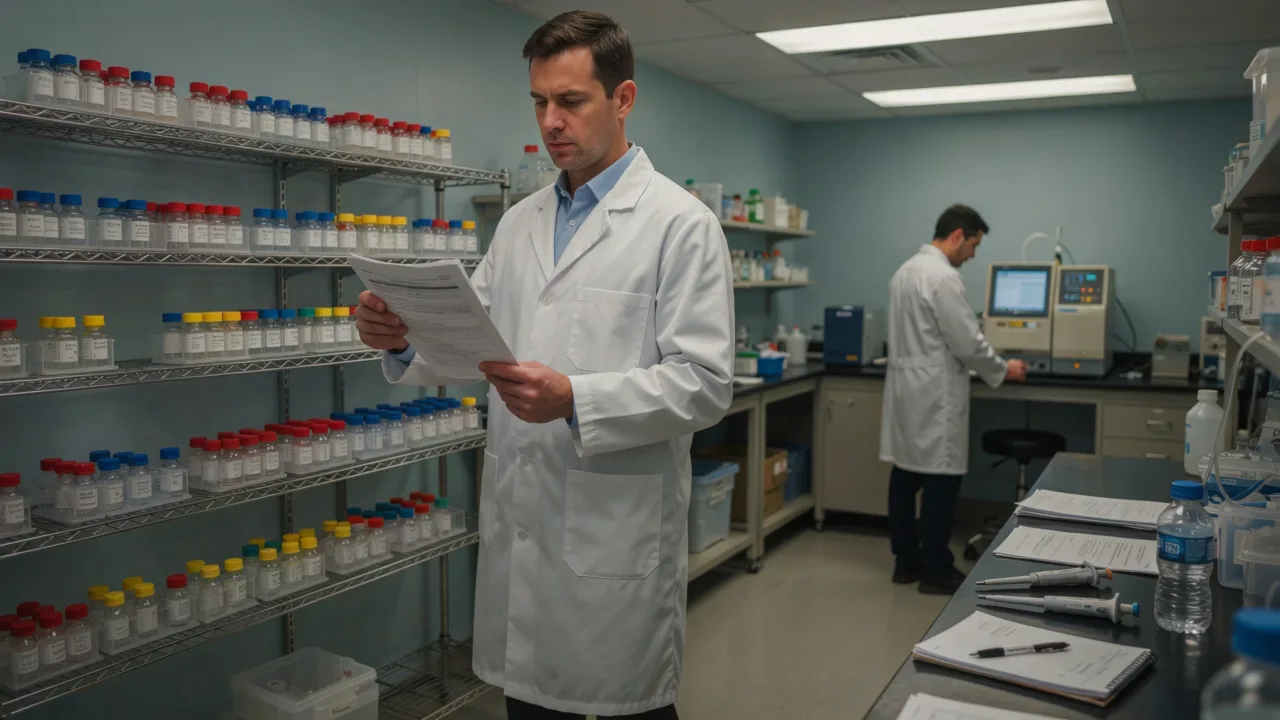

22/10/2026
GMP-Supplier-Audit-and-Vendor-Qualification-1280x720.webp

Introduction

GMP supplier audits and vendor qualification are essential for maintaining product quality, patient safety, and regulatory compliance in the pharmaceutical industry. Pharmaceutical companies depend on suppliers for raw materials, packaging components, equipment, and specialized services. If a supplier fails to meet quality requirements, it can affect the safety and quality of the final product.

A structured supplier qualification process helps companies evaluate vendors before approval and monitor their performance over time. A GMP supplier audit provides a closer look at a supplier’s quality management system, manufacturing processes, documentation, and compliance practices.

In this guide, we explain the vendor qualification process, the importance of supplier audits, ongoing supplier management, and how GxP Cellators supports pharmaceutical organizations with professional GMP auditing services.

What Is a GMP Supplier Audit?

A GMP supplier audit is a systematic evaluation of a supplier’s processes, facilities, documentation, and quality systems to determine whether they meet applicable Good Manufacturing Practices (GMP) requirements.

The audit may cover raw material manufacturing, packaging operations, laboratory testing, documentation controls, data integrity, deviation management, and corrective and preventive actions (CAPA).

The exact audit scope depends on the type of supplier, the materials or services provided, and the risks associated with the supplied product. A risk-based approach helps pharmaceutical companies focus on suppliers that could have the greatest impact on product quality and patient safety.

What Is Vendor Qualification?

Vendor qualification is the process of evaluating, approving, and monitoring a supplier before and during a business relationship. It helps pharmaceutical companies confirm that vendors can consistently meet defined quality, technical, and regulatory requirements.

Supplier audits are an important part of vendor qualification, but the process may also include document reviews, quality questionnaires, reference checks, quality agreements, performance evaluations, and periodic reassessments.

A well-managed supplier qualification program creates clear approval criteria and helps prevent quality problems before they affect pharmaceutical manufacturing.

Why Are GMP Supplier Audits Important?

GMP supplier audits help pharmaceutical companies identify weaknesses in supplier quality systems before they create larger compliance or product quality issues.

Key benefits include:

  • Improved product quality: Helps verify that suppliers follow appropriate quality controls.
  • Regulatory compliance: Supports compliance with applicable GMP requirements and relevant regulatory expectations.
  • Risk reduction: Identifies potential risks related to materials, processes, documentation, and data integrity.
  • Better supplier performance: Encourages suppliers to maintain consistent quality standards.
  • Stronger documentation: Provides evidence of supplier evaluations, audit findings, and qualification decisions.
  • Effective corrective actions: Helps ensure that identified deficiencies are addressed and verified.

Supplier audits should be part of a broader quality management strategy rather than treated as a one-time activity.

Vendor Qualification Process in the Pharmaceutical Industry

A structured vendor qualification process helps ensure that suppliers are evaluated consistently. The following steps provide a practical framework for pharmaceutical organizations.

1. Due Diligence

Due diligence is the initial assessment of a potential supplier. Before beginning a formal qualification, companies should understand the supplier’s capabilities, quality history, and ability to meet business and regulatory requirements.

Activities may include:

  • Assessing vendor capabilities and technical expertise.
  • Reviewing the vendor’s quality management system.
  • Checking relevant references and available compliance records.
  • Assessing business continuity and financial stability where relevant.
  • Reviewing certifications, licenses, and regulatory history when applicable.

The depth of due diligence should reflect the supplier’s risk level. A supplier providing a critical active pharmaceutical ingredient may require more detailed evaluation than a supplier providing a low-risk service.

2. Quality Agreement

A quality agreement defines the quality-related responsibilities of the pharmaceutical company and its supplier. It helps avoid misunderstandings by clearly documenting which party is responsible for specific activities.

A quality agreement may cover:

  • Responsibilities for manufacturing, testing, release, and quality oversight.
  • Deviation reporting and investigation requirements.
  • Change control and prior notification expectations.
  • Complaint handling and product quality issues.
  • Record retention and access to relevant documentation.
  • Audit rights and communication procedures.

Quality agreements should be reviewed periodically and updated when responsibilities, processes, or applicable requirements change. They should also be consistent with the parties’ contractual and regulatory obligations.

3. Pre-Qualification Audit

A pre-qualification audit evaluates whether a supplier has the systems and controls needed to meet the required quality standards before formal approval.

Depending on the supplier’s risk profile, the audit may be conducted on-site or remotely where appropriate. The audit team reviews relevant documentation, interviews personnel, and evaluates actual practices against applicable requirements.

Typical audit activities include:

  • Reviewing supplier procedures and quality records.
  • Assessing GMP compliance and manufacturing controls.
  • Evaluating documentation practices and data integrity.
  • Checking deviation management and CAPA processes.
  • Identifying compliance gaps and potential risks.
  • Preparing an audit report with findings and recommended actions.

Any significant findings should be assessed before the supplier is approved. The company should establish appropriate corrective actions and verify their effectiveness when necessary.

4. Qualification Decision

After the audit and document review, the pharmaceutical company evaluates the available evidence and decides whether the supplier meets its qualification criteria.

The decision should consider audit findings, the supplier’s quality systems, outstanding corrective actions, and the potential impact of any unresolved risks.

The process should include:

  • Reviewing and classifying audit findings.
  • Evaluating the supplier’s corrective action plan.
  • Determining whether additional evidence or a follow-up audit is needed.
  • Documenting the qualification decision and its justification.
  • Communicating approval status to relevant internal teams.

A supplier should not receive unconditional approval simply because an audit has been completed. The decision must reflect the seriousness of any identified deficiencies and the company’s defined acceptance criteria.

Ongoing Supplier Management After Qualification

Supplier qualification does not end once a vendor is approved. Pharmaceutical companies need ongoing oversight to confirm that suppliers continue to meet quality requirements and maintain reliable performance.

1. Routine Supplier Audits

Routine supplier audits help verify continued compliance and identify new risks. Audit frequency should be based on risk, supplier performance, material criticality, previous findings, and applicable regulatory expectations.

Routine audit activities may include:

  • Reviewing current compliance and quality records.
  • Checking the status of previous audit findings.
  • Evaluating process controls and documentation practices.
  • Identifying opportunities for quality improvement.
  • Documenting observations and required corrective actions.

High-risk suppliers may require more frequent or detailed audits than suppliers providing lower-risk products or services.

2. Supplier Performance Monitoring

Performance monitoring helps companies determine whether suppliers consistently meet agreed quality and delivery expectations.

Useful performance indicators may include material rejection rates, recurring deviations, out-of-specification results, delivery performance, complaint trends, and the timeliness of corrective actions.

Companies should define suitable performance metrics, review supplier performance periodically, and investigate significant negative trends. Repeated failures may require escalation, additional audits, temporary restrictions, or reconsideration of supplier approval.

3. Supplier Change Management

Changes at a supplier can affect material quality, manufacturing consistency, or regulatory compliance. Examples include changes to manufacturing locations, raw materials, equipment, processes, testing methods, or key subcontractors.

Pharmaceutical companies should establish clear procedures for receiving and assessing supplier change notifications.

The process should include:

  • Monitoring relevant supplier changes.
  • Assessing the potential impact on product quality and compliance.
  • Determining whether additional documentation or testing is needed.
  • Conducting an audit when the risk assessment justifies it.
  • Updating quality agreements and qualification records where necessary.

Effective change management helps companies identify risks early and maintain appropriate oversight throughout the supplier relationship.

Common Findings During GMP Supplier Audits

GMP supplier audits may identify weaknesses that need correction before a supplier can be considered suitable or continue operating under an existing approval.

Common findings include:

  • Incomplete or outdated procedures.
  • Poor documentation practices or inadequate record traceability.
  • Weak deviation investigations.
  • Ineffective corrective and preventive actions.
  • Inadequate change control.
  • Insufficient employee training records.
  • Gaps in data integrity controls.
  • Incomplete supplier qualification records.
  • Poor management of subcontractors.
  • Delayed responses to audit findings.

Companies should assess each finding according to its severity and potential impact. Corrective actions should address the underlying cause rather than simply correct the immediate observation.

How to Prepare for a GMP Supplier Audit

Preparation improves audit efficiency and helps ensure that the evaluation focuses on the most important risks.

Before an audit, pharmaceutical companies should define the audit scope, review the supplier’s risk classification, and collect relevant qualification records. The audit team should understand the materials or services being supplied and identify previous findings that require follow-up.

A practical preparation checklist includes:

  1. Define the audit objectives and scope.
  2. Review the supplier’s quality questionnaire and documentation.
  3. Examine previous audit reports and corrective action records.
  4. Identify critical quality and compliance risks.
  5. Prepare an audit plan and relevant checklists.
  6. Confirm the availability of appropriate supplier personnel.
  7. Establish a process for recording findings and required actions.
  8. Plan follow-up activities and effectiveness checks.

After the audit, the company should issue a clear report, communicate findings, agree on appropriate corrective actions, and document the final outcome.

How GxP Cellators Supports Supplier Audits and Vendor Qualification

GxP Cellators provides GMP supplier audit and vendor qualification support for organizations operating in regulated industries. Its services help pharmaceutical companies evaluate supplier quality systems, identify potential compliance gaps, and strengthen supplier oversight.

Our Supplier Audit Services Include

  • Pre-qualification audits: Evaluate suppliers before formal approval.
  • Routine supplier audits: Review ongoing compliance and quality performance.
  • For-cause supplier audits: Investigate specific concerns, recurring issues, or significant quality events.
  • Quality agreement reviews: Assess quality responsibilities and documented expectations.
  • Vendor performance monitoring: Support the evaluation of supplier quality and performance trends.
  • CAPA verification and follow-up: Review corrective actions and assess whether identified issues have been addressed appropriately.

Why Choose GxP Cellators?

GxP Cellators provides a practical, risk-based approach to supplier auditing and qualification.

Key advantages include:

  • Auditors with regulatory inspection and industry quality experience.
  • Consideration of relevant FDA, EMA, Health Canada, MHRA, and WHO requirements, as applicable.
  • Audit scope tailored to supplier risk and business needs.
  • Clear, practical reports that support corrective action planning.
  • Confidential handling of proprietary information and supplier documentation.

The right audit approach depends on the supplier, the products or services involved, and the applicable regulatory requirements. GxP Cellators can help organizations determine suitable audit activities and strengthen their supplier qualification programs.

To discuss your requirements, visit the GxP Cellators Contact Page.

Frequently Asked Questions

Q1. What is vendor qualification in the pharmaceutical industry?

Vendor qualification is the process of evaluating and approving a supplier to provide raw materials, components, equipment, or services. It may include document reviews, quality assessments, supplier audits, and ongoing performance monitoring.

Q2. What is the difference between vendor qualification and supplier audits?

Vendor qualification is the overall process of evaluating and approving a supplier. A supplier audit is one part of that process and provides a detailed assessment of the supplier’s quality systems, procedures, and compliance practices.

Q3. How often should a GMP supplier audit be conducted?

Audit frequency should be based on risk, material criticality, supplier performance, previous findings, and applicable requirements. High-risk suppliers may require more frequent audits, while lower-risk suppliers may be audited less often under a documented, risk-based plan.

Q4. What documents are reviewed during a GMP supplier audit?

Documents may include quality manuals, standard operating procedures, training records, deviation investigations, CAPA records, change controls, testing records, supplier qualification documents, and relevant quality agreements. The exact scope depends on the supplier’s activities and audit objectives.

Q5. What happens if a supplier fails a GMP audit?

The company should evaluate the findings, assess potential quality risks, and request suitable corrective actions. Depending on the severity, the supplier may require a follow-up audit, additional evidence, restricted approval, or disqualification.

Q6. How does GxP Cellators support vendor qualification?

GxP Cellators supports organizations through pre-qualification audits, routine supplier audits, for-cause audits, quality agreement reviews, vendor performance monitoring, and CAPA verification and follow-up.

Q7. How can I contact GxP Cellators for supplier audit support?

You can visit the GxP Cellators Contact Page to discuss your GMP supplier audit, vendor qualification, and supplier quality requirements.

Contact GxP Cellators

A strong GMP supplier audit and vendor qualification program helps pharmaceutical companies manage supplier risks, maintain quality standards, and support regulatory compliance. Regular reviews, clear quality agreements, effective CAPA, and risk-based audit planning can strengthen supplier relationships and improve quality oversight.

If your organization needs support with supplier qualification, GMP auditing services, or ongoing supplier compliance, contact GxP Cellators to discuss your requirements.

Contact: https://www.gxpcellators.com/contact/
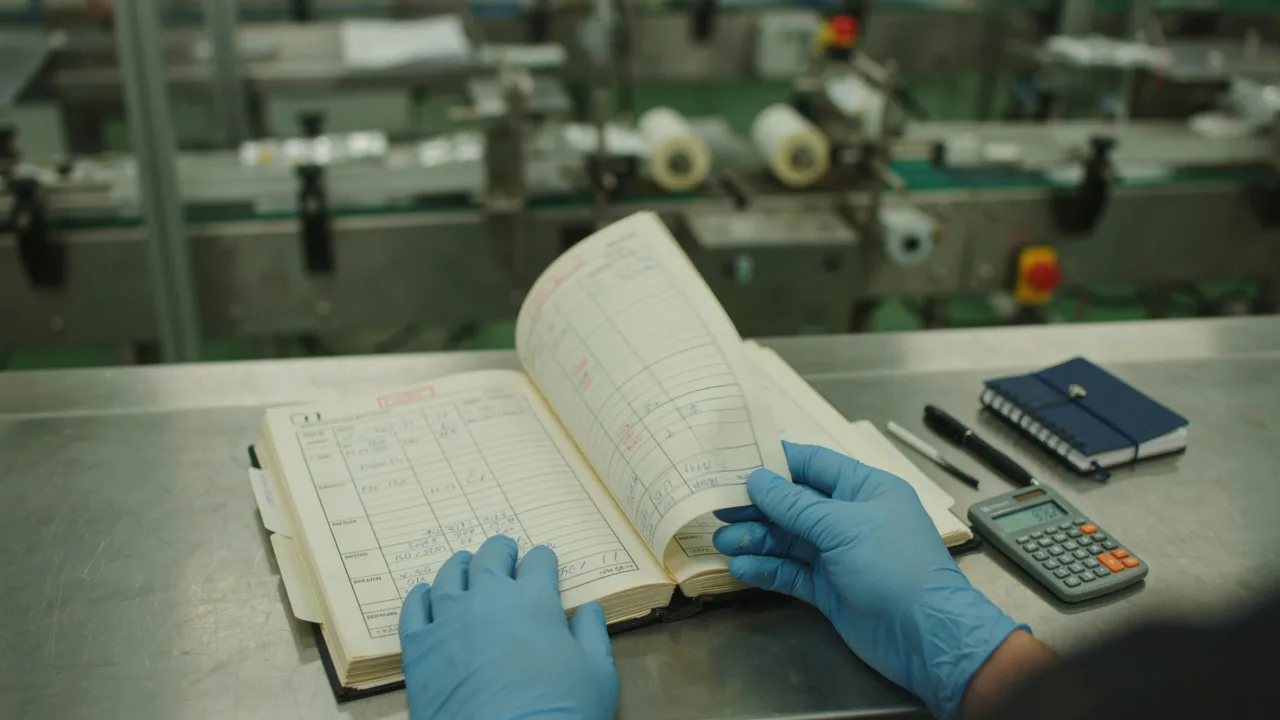

22/10/2026
How-Supplier-Audits-Affect-Pharmaceutical-GMP-Compliance-1280x720.webp

Introduction

Supplier audits are a critical part of pharmaceutical Good Manufacturing Practices compliance. Pharmaceutical companies depend on suppliers for raw materials, active pharmaceutical ingredients (APIs), packaging components, equipment, and essential services. The quality of these supplies can directly affect the safety, quality, and consistency of pharmaceutical products.

Even when a pharmaceutical company follows strong internal quality procedures, problems with a supplier can create serious compliance risks. Poor-quality materials, incomplete documentation, weak data integrity practices, and inadequate quality controls may lead to deviations, product defects, or regulatory concerns.

This is why supplier audits are an important part of supplier qualification and ongoing quality management. They help organizations evaluate supplier processes, identify weaknesses, and verify whether appropriate controls are in place.

In this blog, we explain how supplier audits affect GMP compliance, why pharmaceutical companies need them, and how GxP Cellators supports organizations through professional GMP supplier auditing services.

What Are Supplier Audits in Pharmaceutical GMP?

A supplier audit is a systematic review of a supplier’s quality systems, procedures, facilities, records, and operational controls. Its purpose is to determine whether the supplier can consistently meet the applicable quality and regulatory requirements.

In the pharmaceutical industry, supplier audits may cover manufacturers of raw materials, API suppliers, packaging vendors, contract laboratories, service providers, and other organizations that can affect product quality.

The scope of an audit depends on the supplier’s role, the materials or services provided, the potential risks, and the applicable regulatory expectations.

Supplier audits may be conducted before approving a new supplier, at planned intervals during an existing relationship, or when a quality issue or significant change requires further investigation.

How Supplier Audits Affect GMP Compliance

1. Ensuring Raw Material Quality

Raw materials directly influence pharmaceutical product quality. If a supplier provides materials that do not meet approved specifications, the receiving company may face manufacturing problems, failed testing, or product quality concerns.

Supplier audits help verify whether appropriate controls exist for material sourcing, testing, storage, handling, and release. Auditors may review specifications, certificates of analysis, testing procedures, batch records, and deviation management practices.

These checks help pharmaceutical companies identify weaknesses before they affect production. They also support supplier qualification and ongoing monitoring.

2. Improving Component Quality

Packaging components, containers, closures, and other production materials can affect product integrity and performance. Incorrect specifications, contamination, or inconsistent manufacturing practices may introduce risks.

GMP supplier audits assess whether suppliers have suitable quality controls for manufacturing, inspection, testing, and traceability. Auditors may also review how nonconforming components are identified and managed.

By checking these processes, companies can reduce the risk of receiving unsuitable components and strengthen their overall quality management systems.

3. Evaluating Service Quality

Pharmaceutical companies often rely on external laboratories, calibration providers, maintenance contractors, and other service organizations. The quality of these services can affect manufacturing operations and compliance records.

Supplier audits help assess whether service providers follow documented procedures, maintain appropriate records, use qualified personnel, and investigate errors when they occur.

For example, unreliable calibration services may affect confidence in equipment measurements. Similarly, weaknesses in contract laboratory procedures may raise concerns about analytical results.

Evaluating service quality helps organizations understand these risks and establish suitable controls.

4. Maintaining Supply Chain Integrity

Pharmaceutical supply chains can involve multiple suppliers, subcontractors, manufacturers, and distributors. Limited visibility across these relationships may increase the risk of unsuitable materials, documentation gaps, or unauthorized changes.

Supplier audits help organizations evaluate traceability, material handling, supplier controls, and change management practices. They can also identify weaknesses in the way suppliers manage their own external providers.

A risk-based supplier oversight program helps companies focus their attention on suppliers whose materials or services have the greatest potential impact on product quality and patient safety.

5. Supporting Regulatory Compliance

Pharmaceutical companies are expected to maintain appropriate controls over materials, suppliers, and outsourced activities that can affect product quality. Supplier qualification and monitoring are important elements of an effective pharmaceutical quality system.

Supplier audits provide documented evidence that an organization has assessed relevant supplier risks and reviewed the effectiveness of applicable controls.

However, an audit alone does not guarantee compliance. Companies must also evaluate audit findings, document decisions, implement corrective actions, and maintain ongoing oversight.

Effective supplier auditing helps organizations demonstrate a structured approach to quality management and regulatory readiness.

6. Strengthening Data Integrity

Data integrity is an important consideration during pharmaceutical supplier audits. Suppliers must maintain reliable, complete, and accurate records that support quality decisions.

Auditors may review laboratory data, electronic records, access controls, audit trails, backup arrangements, and procedures for correcting records. They may also evaluate whether employees follow approved documentation practices.

Weak data integrity controls can reduce confidence in test results, certificates, and manufacturing records. Identifying these issues early helps organizations determine whether further investigation or corrective action is necessary.

7. Improving CAPA and Deviation Management

Corrective and Preventive Action (CAPA) systems help organizations investigate problems, address their causes, and prevent recurrence. Supplier audits often assess whether suppliers manage deviations and quality complaints effectively.

Auditors may review investigation reports, root cause analyses, corrective actions, effectiveness checks, and timelines for closing issues.

If a supplier repeatedly experiences the same problems, the audit may reveal weaknesses in its investigation or CAPA process. Pharmaceutical companies can then request appropriate improvements and verify whether the actions are effective.

8. Reducing Quality and Business Risks

Supplier-related issues can result in rejected materials, production delays, additional testing, product investigations, or supply interruptions. Some problems may also require regulatory reporting or other formal action, depending on their nature and applicable requirements.

Supplier audits help identify potential weaknesses before they become more serious. By assessing quality controls, documentation, training, and operational processes, companies can make better-informed decisions about supplier approval and monitoring.

A risk-based approach also helps organizations allocate audit resources efficiently instead of treating every supplier as equally critical.

Types of GMP Supplier Audits

Different situations may require different types of supplier audits.

Full-Scope Supplier Audits

Full-scope audits provide a broad assessment of a supplier’s quality systems, facilities, procedures, records, and relevant operations. They are useful when qualifying critical suppliers or evaluating significant quality risks.

Pre-Qualification Audits

Pre-qualification audits take place before a supplier is approved. They help organizations determine whether the supplier has the capabilities and quality controls needed to meet the established requirements.

Routine Supplier Audits

Routine audits are performed at planned intervals. Their frequency should reflect supplier risk, previous audit findings, quality performance, and the importance of the supplied materials or services.

For-Cause Supplier Audits

For-cause audits are initiated when specific concerns arise, such as recurring deviations, complaints, failed testing, suspected documentation problems, or significant changes in supplier performance.

Data Integrity Audits

These audits focus on the reliability of records, electronic systems, data handling, access controls, audit trails, and documentation practices.

CAPA Verification and Follow-Up Audits

Follow-up activities assess whether corrective actions have been implemented and whether they effectively address the original findings. Depending on the risk, this may involve a document review, a remote assessment, or an on-site audit.

What Should a GMP Supplier Audit Checklist Include?

A structured checklist helps auditors review important areas consistently. The exact scope should be adapted to the supplier’s activities and risk level.

Common areas include:

  • Quality management system: Quality policies, responsibilities, procedures, and document control.
  • Material management: Purchasing, receipt, sampling, testing, storage, and release controls.
  • Manufacturing processes: Process controls, equipment suitability, and production documentation, where applicable.
  • Laboratory controls: Testing methods, analytical records, specifications, and handling of out-of-specification results.
  • Data integrity: Record accuracy, electronic data controls, audit trails, and documentation practices.
  • Deviation and CAPA management: Investigations, root cause analysis, corrective actions, and effectiveness checks.
  • Change control: Assessment and communication of changes that may affect materials, processes, or product quality.
  • Training and competency: Employee qualifications, role-specific training, and training records.
  • Traceability: Batch identification, records, and appropriate handling of nonconforming materials.
  • Previous audit findings: Corrective action progress and evidence that earlier issues have been resolved.

An effective checklist should support the audit objectives rather than replace professional judgment. Auditors should investigate relevant evidence and document findings clearly.

How Often Should Pharmaceutical Companies Conduct Supplier Audits?

There is no single audit frequency that is appropriate for every supplier. The schedule should be based on documented risk assessment and applicable regulatory or contractual requirements.

Critical suppliers may require more frequent or detailed assessments because their materials or services can significantly affect product quality. Lower-risk suppliers may be monitored through a different combination of audits, performance reviews, questionnaires, and other quality controls.

Organizations should also reconsider audit schedules when significant changes occur. Examples include repeated quality failures, major process changes, ownership changes, serious complaints, or concerns about data integrity.

The key is to maintain a documented, risk-based approach and ensure that audit frequency remains appropriate as supplier risks change.

How GxP Cellators Supports Pharmaceutical Supplier Audits

GxP Cellators provides GMP supplier auditing services to help pharmaceutical companies assess supplier quality systems and identify potential compliance gaps.

The company’s supplier audit support can help organizations evaluate supplier controls, review relevant documentation, and understand the actions needed to address identified weaknesses.

Our Supplier Audit Services Include

  • Full-scope supplier audits.
  • Pre-qualification audits.
  • Routine supplier audits.
  • For-cause supplier audits.
  • Data integrity audits.
  • CAPA verification and follow-up.

Why Choose GxP Cellators?

  • Experienced auditors: Support informed by regulatory inspection and industry quality experience.
  • Regulatory coverage: Consideration of relevant FDA, EMA, Health Canada, MHRA, and WHO requirements, depending on the audit scope.
  • Risk-based approach: Audit planning tailored to supplier criticality and potential quality risks.
  • Practical reports: Clear findings and actionable recommendations to support remediation.
  • Confidentiality: Careful handling of confidential information and proprietary systems.

Supplier audits are most effective when findings lead to meaningful improvements. GxP Cellators supports organizations in understanding supplier quality risks and strengthening their audit and compliance processes.

To discuss your requirements, visit the GxP Cellators Contact Page.

Frequently Asked Questions

Q1. How do supplier audits affect GMP compliance?

Supplier audits help pharmaceutical companies verify whether suppliers maintain appropriate quality controls for materials, components, and services. They also support supplier qualification, risk management, documentation review, and ongoing regulatory compliance.

Q2. Why are supplier audits important in the pharmaceutical industry?

Supplier audits are important because supplier-related problems can affect product quality, manufacturing operations, and patient safety. Audits help identify weaknesses and provide evidence for supplier approval and monitoring decisions.

Q3. How often should GMP supplier audits be conducted?

Audit frequency should depend on supplier risk, performance, previous findings, and the importance of the supplied materials or services. Companies should also consider additional assessments when significant quality concerns or changes occur.

Q4. What is included in a GMP supplier audit?

A GMP supplier audit may cover the quality management system, material controls, manufacturing processes, laboratory testing, data integrity, deviations, CAPA, change control, training, and traceability. The exact scope depends on the supplier’s activities and associated risks.

Q5. What is the difference between a supplier audit and supplier qualification?

Supplier qualification is the broader process of evaluating and approving a supplier for a defined purpose. A supplier audit is one assessment method that may be used during qualification and ongoing monitoring.

Q6. How do supplier audits support data integrity?

Supplier audits assess whether records and data are complete, accurate, reliable, and appropriately controlled. They may include reviews of electronic systems, audit trails, laboratory records, and documentation procedures.

Q7. How does GxP Cellators support GMP supplier audits?

GxP Cellators offers supplier audit support, including full-scope, pre-qualification, routine, for-cause, and data integrity audits, along with CAPA verification and follow-up.

Q8. How can I contact GxP Cellators for supplier audit support?

Visit the GxP Cellators Contact Page to discuss your supplier audit requirements and the support your organization may need.

Conclusion

Supplier audits play an important role in pharmaceutical GMP compliance. They help organizations evaluate supplier quality, protect supply chain integrity, strengthen data integrity controls, and identify risks before they affect product quality or operations.

However, conducting an audit is only one part of effective supplier management. Organizations must also review findings, implement suitable corrective actions, monitor supplier performance, and maintain documented oversight.

With a structured, risk-based approach, pharmaceutical companies can make better supplier decisions and strengthen their quality management systems. GxP Cellators provides GMP supplier auditing services to help organizations assess supplier controls, address compliance gaps, and support ongoing quality improvement.

For professional support with GMP supplier audits, contact GxP Cellators.


Our Presence


Saskatchewan, Canada

Calgary, Canada

Toronto, Canada

North Carolina, USA

Frankfurt, Germany


Indiana, USA

Get in Touch


Saskatchewan, Canada

https://www.gxpcellators.com


You cannot copy content of this page

Verified by MonsterInsights