Introduction
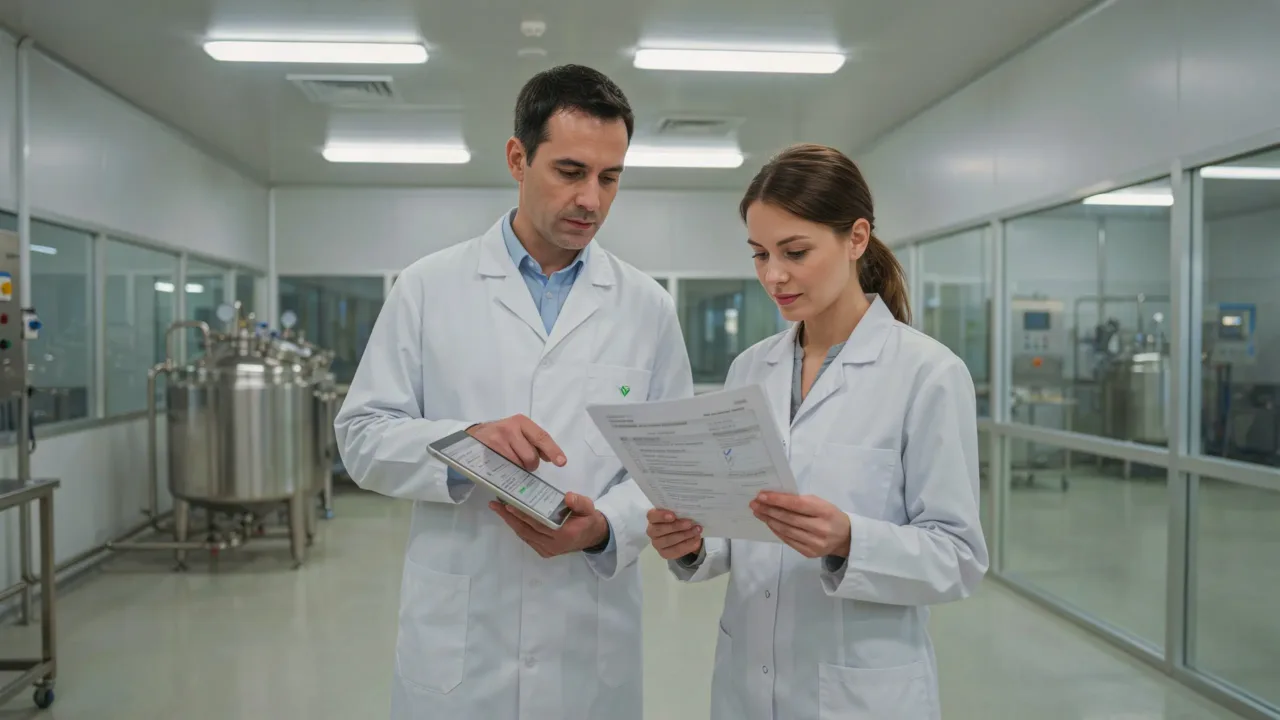
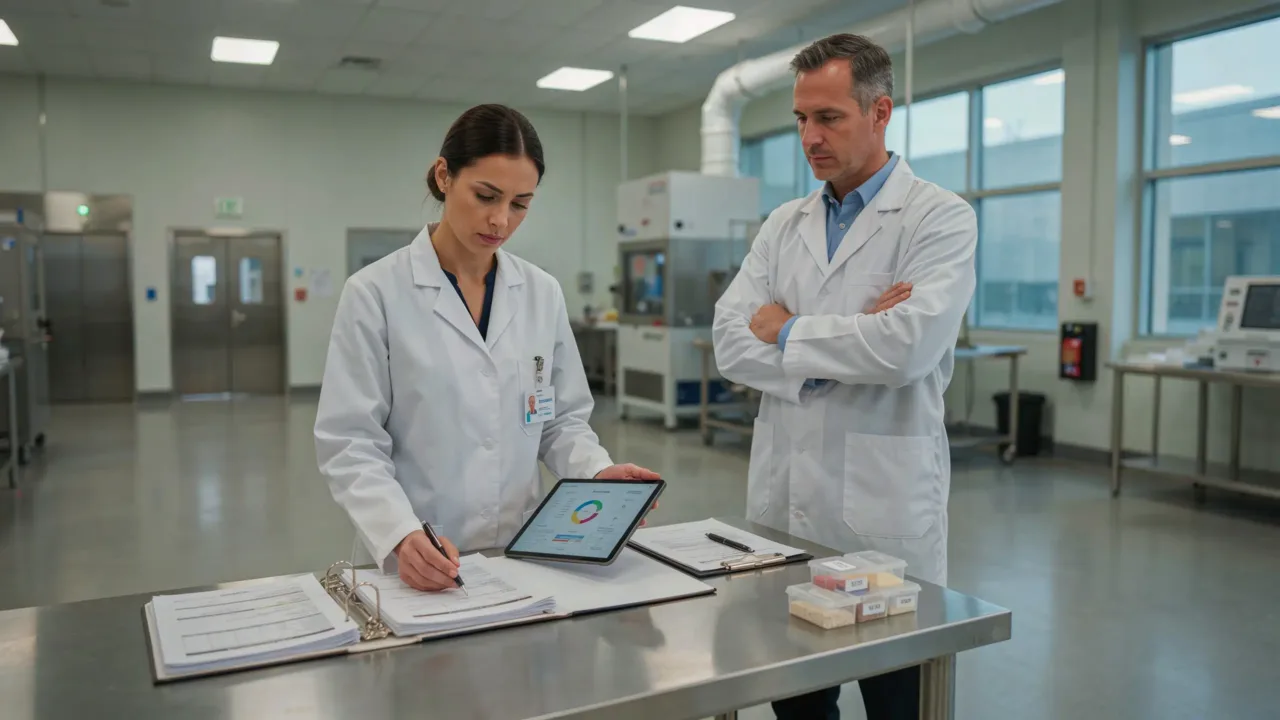
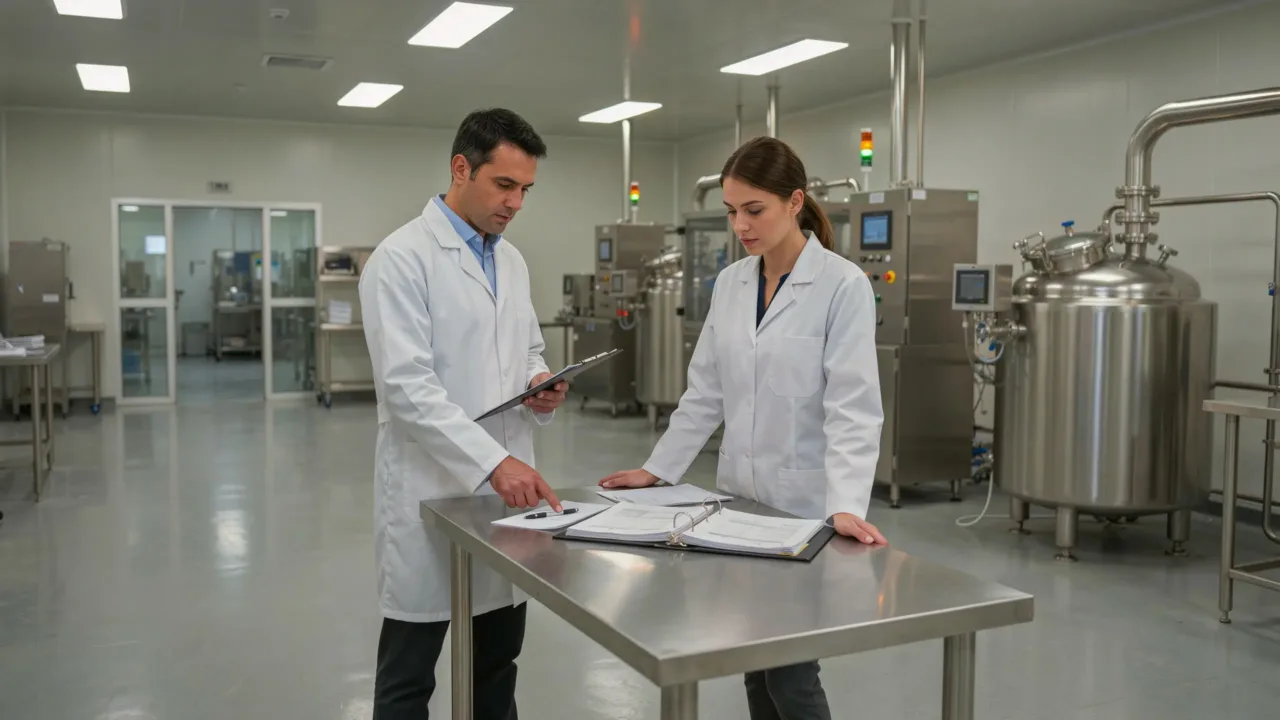
Preparing a pharmaceutical facility for a Good Manufacturing Practices (GMP) audit requires careful planning, accurate documentation, trained personnel, and a clean, well-maintained facility. A successful audit preparation process helps pharmaceutical companies identify compliance gaps, reduce operational risks, and demonstrate that their quality systems meet applicable regulatory requirements.
GMP audits may review facility design, equipment maintenance, cleaning procedures, personnel training, documentation, and quality management systems. Therefore, companies should not wait until an audit date is announced to begin preparing.
This guide explains how to prepare a pharmaceutical facility for a GMP audit, which documents to review, how to prepare employees, and how professional support from GxP Cellators can help improve audit readiness.
Why Is GMP Audit Preparation Important?
GMP audit preparation helps pharmaceutical facilities identify weaknesses before they become serious compliance issues. It also ensures that employees understand their responsibilities and that facility operations follow approved procedures.
Poor preparation can lead to missing records, incomplete corrective actions, equipment maintenance issues, and inconsistent practices. These problems may result in audit observations and additional work to address compliance gaps.
A structured preparation process helps organizations maintain reliable documentation, improve facility conditions, and demonstrate control over manufacturing activities. It also supports continuous improvement rather than treating an audit as a one-time activity.
Step 1: Conduct a GMP Gap Assessment
The first step is to evaluate the facility against applicable GMP requirements. A gap assessment helps identify areas that need improvement before the actual audit takes place.
Start by reviewing facility design, maintenance practices, equipment controls, cleaning procedures, and supporting documentation. Compare existing practices with applicable regulatory expectations and internal quality procedures.
During the assessment:
- Review the facility against applicable GMP requirements.
- Identify gaps in facility design, maintenance, equipment, or documentation.
- Evaluate the potential compliance and product-quality risks associated with each gap.
- Prioritize issues according to their severity and potential impact.
- Develop corrective action plans with clear responsibilities and target dates.
For example, an outdated maintenance record or an incomplete equipment qualification document may indicate a weakness in the facility’s quality system. Identifying such issues early gives the organization time to investigate and correct them.
A risk-based gap assessment also helps management allocate resources to the most important compliance issues first.
Step 2: Review and Update Facility Documentation
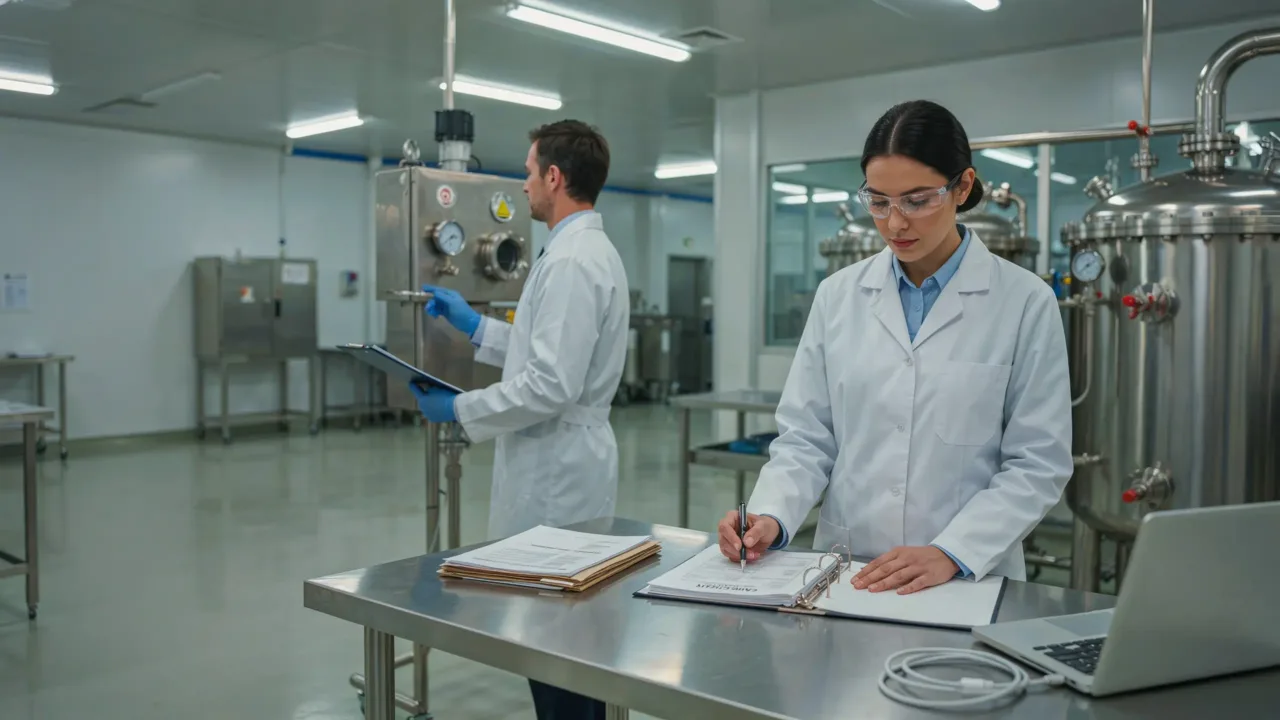
Documentation is a critical part of GMP audit preparation. Auditors may review records to verify that facility conditions, maintenance activities, cleaning processes, and qualification work are properly controlled.
Before the audit, ensure that documents are current, approved, accessible, and consistent with actual facility practices.
Important documents to review include:
- Facility drawings and specifications.
- Equipment qualification and relevant validation documents.
- Preventive maintenance and repair records.
- Cleaning procedures and cleaning records.
- Pest control procedures and service records.
- Environmental monitoring records, where applicable.
- Standard operating procedures (SOPs).
- Personnel training records.
- Deviation investigations and corrective and preventive action (CAPA) records.
- Change control documentation.
Check that records are complete, dated, traceable, and approved by authorized personnel where required. Any missing information should be investigated and corrected through the appropriate procedure. Records should never be backdated or altered to create the appearance of compliance.
It is also important to confirm that approved documents reflect current operations. If a facility layout, equipment configuration, or cleaning procedure has changed, the related documentation should be reviewed and updated through the established change control process.
Step 3: Prepare the Physical Facility
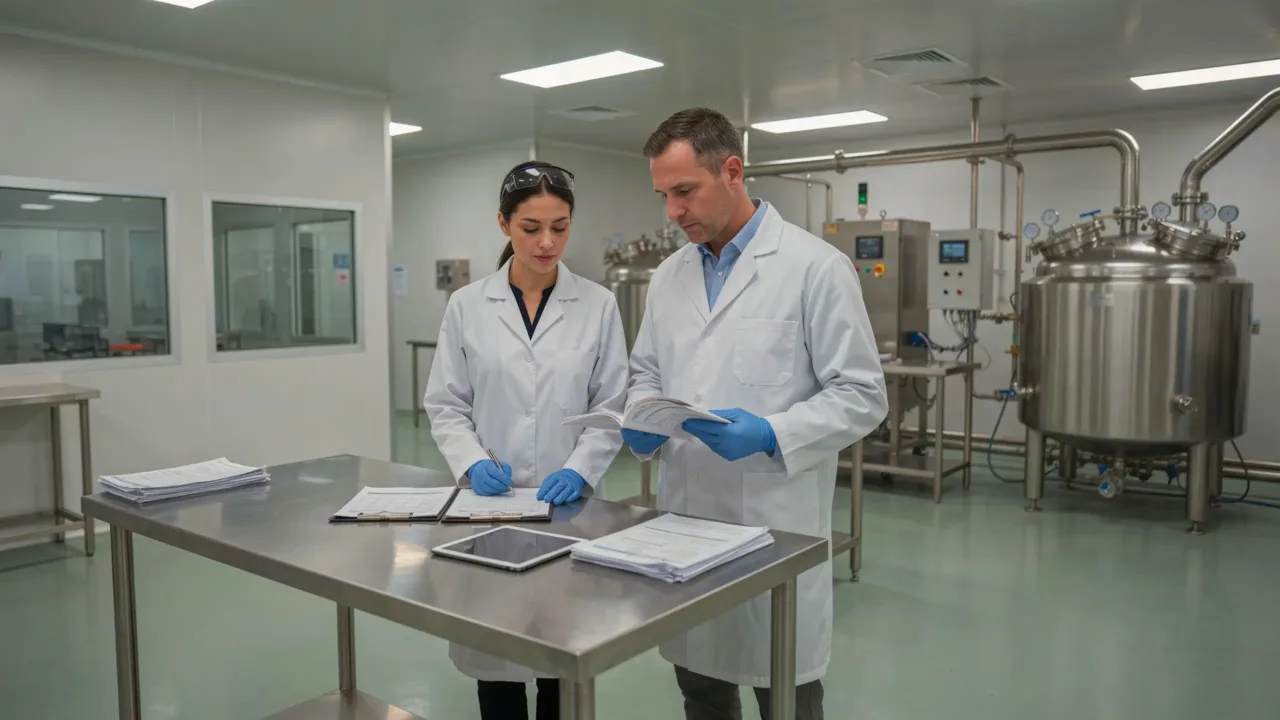
The physical condition of a pharmaceutical facility can influence product quality, contamination control, and audit outcomes. Therefore, the facility should be inspected before the audit to identify maintenance concerns and housekeeping issues.
Walk through production areas, storage rooms, equipment spaces, corridors, and other relevant locations. Compare actual conditions with approved procedures and applicable GMP requirements.
Focus on the following activities:
- Ensure the facility is clean, orderly, and sanitary.
- Verify that equipment is calibrated and maintained according to approved schedules.
- Review cleaning procedures and confirm that records are complete.
- Check pest control programs and investigate any evidence of pest activity.
- Inspect walls, floors, ceilings, doors, and other relevant surfaces for damage.
- Confirm that equipment, materials, and waste are stored appropriately.
- Check that maintenance issues have been documented and addressed.
- Verify that relevant environmental controls are operating as intended.
For facilities handling sterile products or operating controlled environments, additional attention may be required for contamination control, personnel movement, material transfer, and environmental monitoring.
The aim is not simply to make the facility look clean before an audit. The facility must be maintained in a controlled condition through routine procedures and documented activities.
Step 4: Verify Equipment Maintenance and Qualification
Equipment problems can create manufacturing risks and raise questions about the effectiveness of the facility’s quality system. Before the audit, review the maintenance, calibration, and qualification status of relevant equipment.
Confirm that preventive maintenance activities are completed on schedule and that outstanding issues are properly assessed. Where equipment requires qualification, verify that the necessary documentation is available and reflects its approved use.
Check the following:
- Equipment maintenance schedules and completed records.
- Calibration status and identification labels, where applicable.
- Equipment qualification documentation.
- Records of repairs, breakdowns, and recurring problems.
- Procedures for handling equipment that is out of service.
- Impact assessments for equipment failures affecting product quality.
If an equipment failure could have affected a product, process, or critical facility function, ensure that the event was evaluated through the appropriate deviation or quality investigation process.
A well-controlled equipment management system helps demonstrate that the facility maintains reliable and suitable conditions for its intended operations.
Step 5: Prepare and Train Your Team
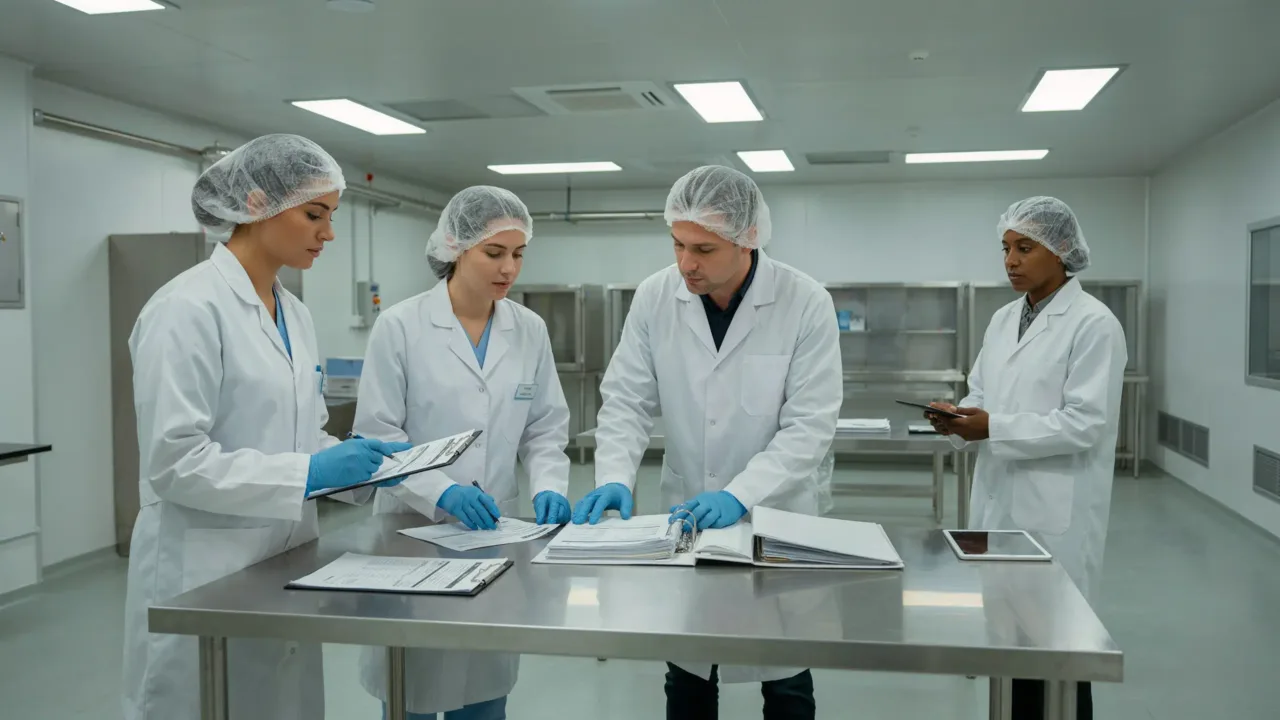
Employees play an important role in GMP audit readiness. Even when documentation and facility conditions are satisfactory, employees may struggle during an audit if they do not understand their responsibilities or the procedures they follow.
Training should be appropriate to each person’s role. Employees should understand relevant SOPs, documentation practices, hygiene requirements, deviation reporting, and applicable quality procedures.
To prepare your team:
- Provide refresher training on relevant GMP requirements.
- Review job responsibilities and reporting structures.
- Conduct mock interviews or practice audit questions.
- Explain how to locate and retrieve controlled documents.
- Remind employees to answer questions clearly and honestly.
- Reinforce the importance of reporting deviations and quality concerns.
- Verify that required training records are complete.
Employees should answer auditors based on their actual knowledge and work practices. They should not guess when they do not know an answer. Instead, they should follow the organization’s established process for obtaining the correct information.
Training should also be documented so that the organization can demonstrate that relevant personnel received the required instruction.
Step 6: Conduct a Mock GMP Audit
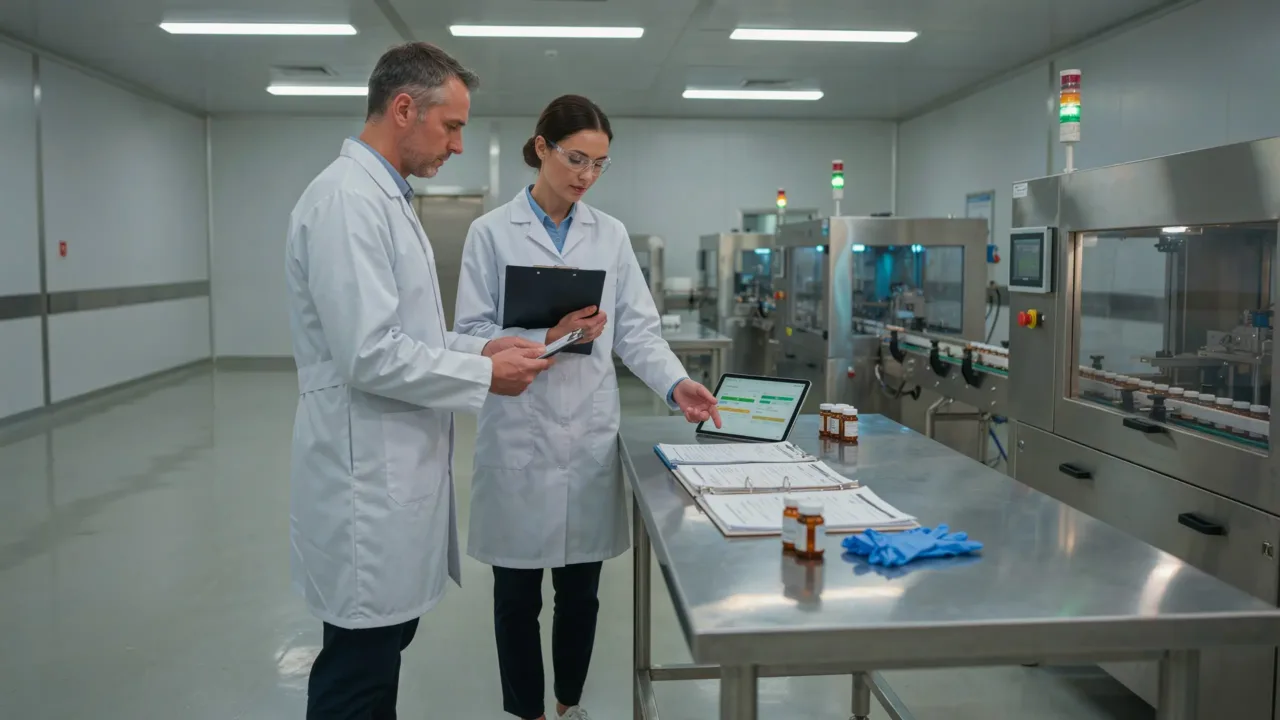
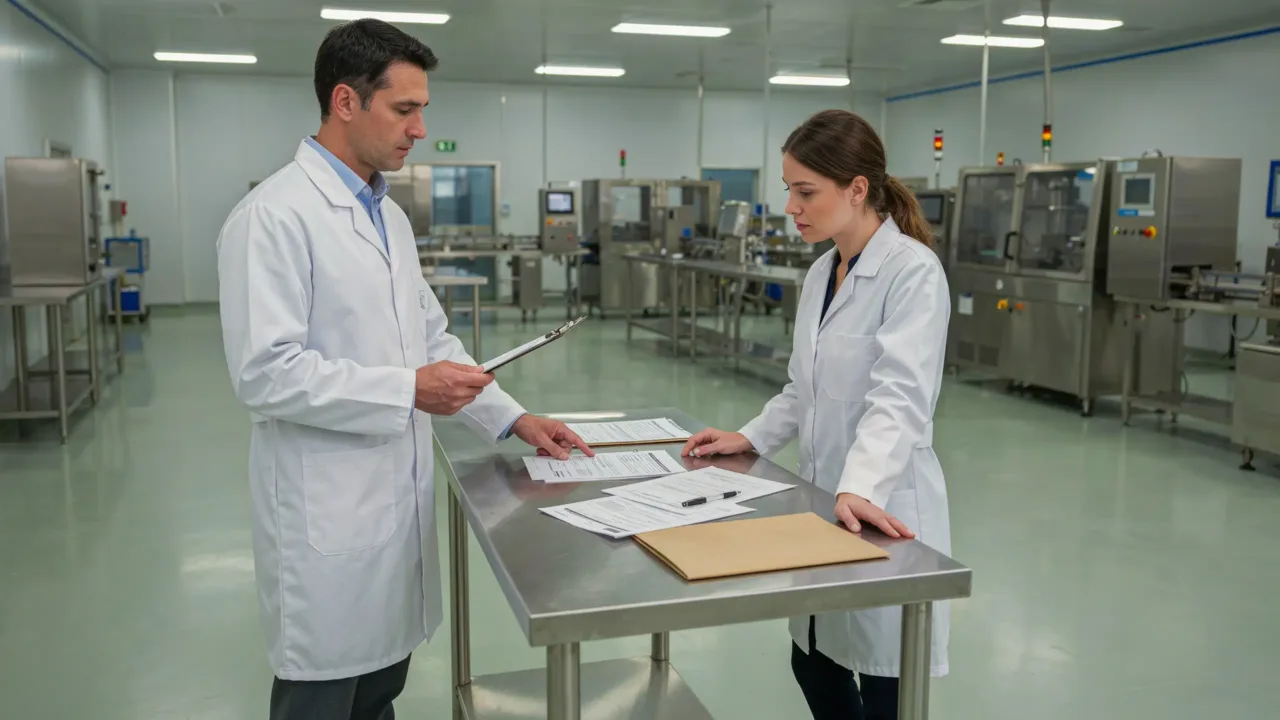
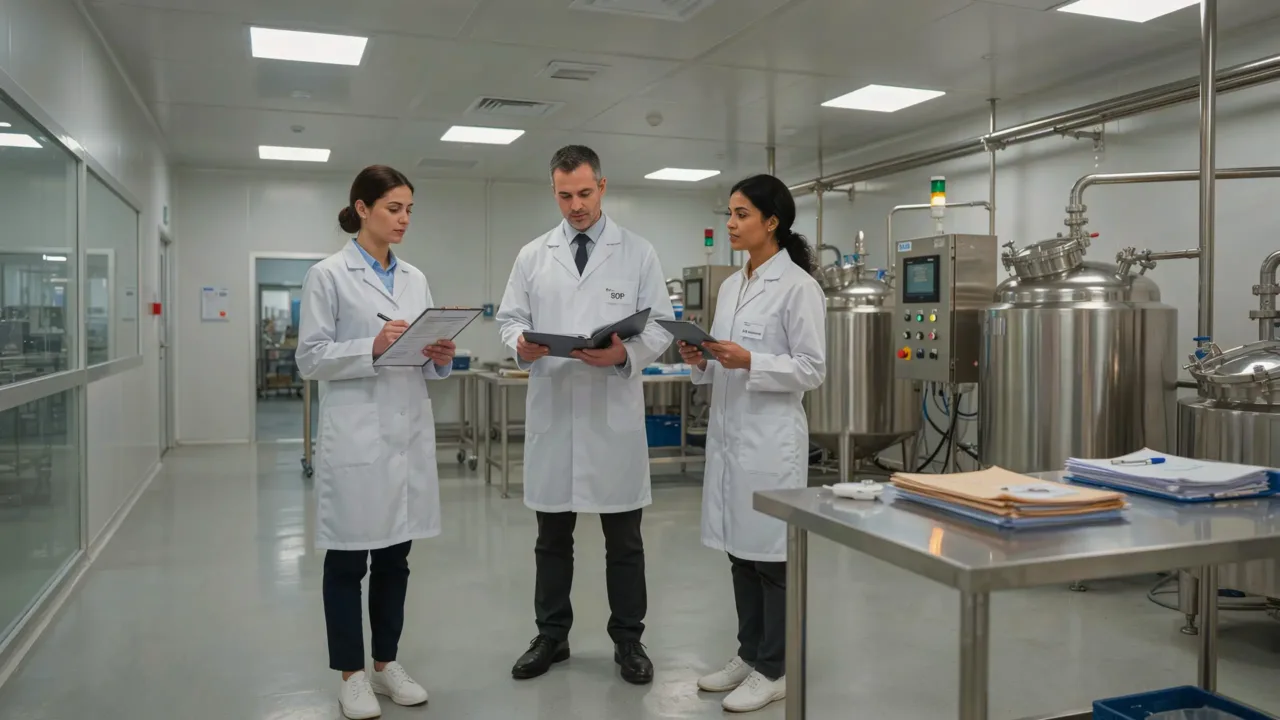
A mock GMP audit allows an organization to evaluate its readiness before the actual audit. It simulates selected parts of the audit process and helps identify weaknesses that may otherwise remain unnoticed.
The mock audit should cover relevant facility areas, documentation, equipment controls, employee practices, and quality procedures.
During the exercise:
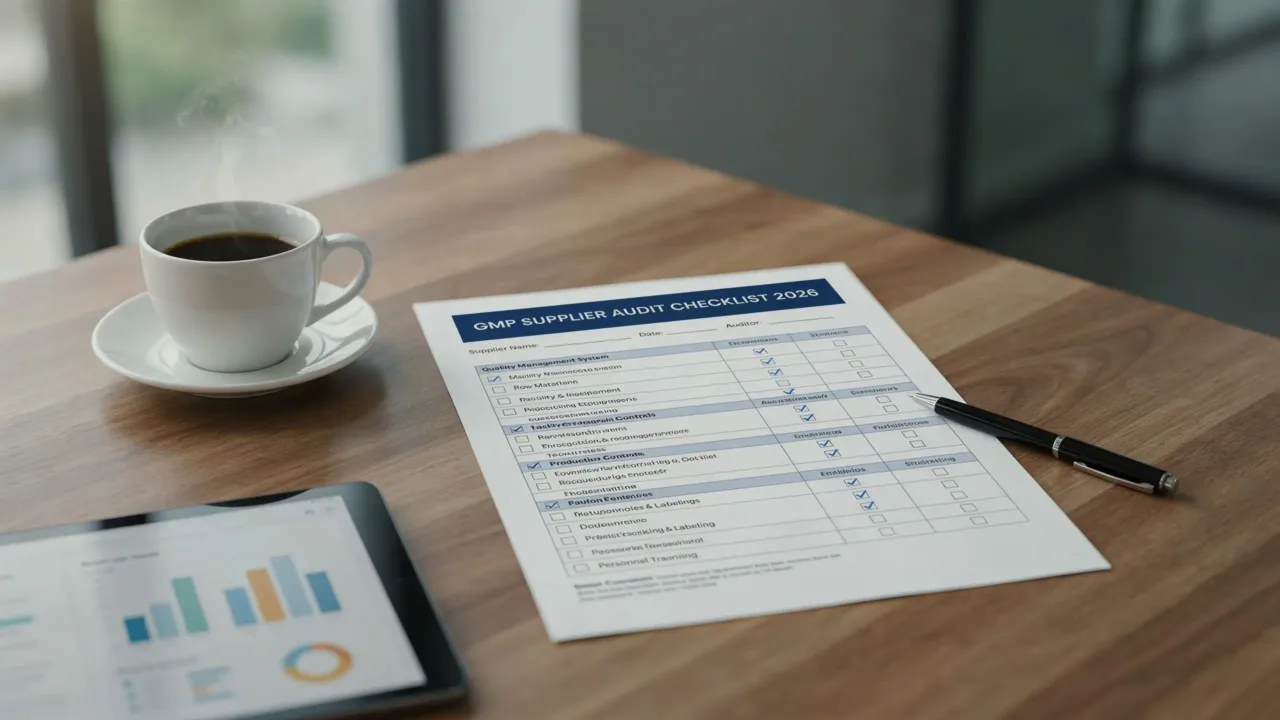
- Review the facility against an audit checklist.
- Examine records and supporting evidence.
- Interview employees about their responsibilities.
- Observe activities against approved procedures.
- Record potential findings and supporting evidence.
- Assign actions to address identified gaps.
- Verify that corrective actions have been completed or appropriately managed.
Mock audits should be objective and risk-based. Their purpose is to identify genuine weaknesses, not simply to confirm that everything appears satisfactory.
After the exercise, prepare a report that summarizes observations, risk levels, responsible persons, and target completion dates. Follow up on corrective actions to ensure that issues have been addressed effectively.
Step 7: Review CAPA and Previous Audit Findings
Previous audit observations, deviations, and recurring problems should be reviewed before a new GMP audit. Repeated findings may indicate that earlier corrective actions did not fully address the underlying cause.
Review open and closed CAPA records to determine whether actions were implemented as planned and whether their effectiveness was evaluated where required.
A good CAPA review should include:
- The original finding or deviation.
- The investigation and identified root cause.
- Corrective actions taken to address the immediate problem.
- Preventive or systemic actions, where appropriate.
- Evidence of implementation.
- Effectiveness checks, where applicable.
- Justification and approval for any actions that remain open.
If a corrective action is still in progress, its status should be transparent and supported by appropriate documentation. Avoid closing actions without sufficient evidence that the required work has been completed.
This review helps demonstrate that the facility learns from previous issues and maintains a systematic approach to quality improvement.
Step 8: Organize Records and Prepare for Auditor Questions
Before the audit, assign responsible employees to coordinate document requests and provide access to relevant records. A clear document retrieval process saves time and reduces confusion during the audit.
Create an organized list of key documents and identify where each record is maintained. Ensure that personnel know how to retrieve approved versions without bypassing document control procedures.
Auditors may ask questions about facility maintenance, cleaning schedules, equipment qualification, pest control, training, or previous findings. Employees should be prepared to explain the actual process and show supporting records when requested.
During the audit, respond professionally and provide accurate information. If a document needs to be retrieved or a question requires confirmation, follow the established process rather than providing an unsupported answer.
Good audit communication depends on transparency, consistency, and reliable evidence.
How GxP Cellators Helps You Prepare
GxP Cellators provides GMP facility audit preparation support to help pharmaceutical and other regulated organizations assess their readiness and identify opportunities for improvement.
A structured preparation process can help companies review their current practices, organize documentation, evaluate facility-related controls, and address compliance gaps before an audit.
Our Facility Audit Preparation Services Include
- Pre-audit GMP gap assessments.
- Facility and documentation reviews.
- Mock GMP audits.
- Training on applicable GMP requirements.
- CAPA planning and follow-up support.
- Inspection readiness support.
The scope of support can be aligned with the facility’s operations, applicable requirements, and identified compliance risks.
Why Choose GxP Cellators?
GxP Cellators supports organizations seeking practical, risk-based approaches to GxP compliance and audit preparation.
Key benefits include:
- Auditors with regulatory inspection and industry quality experience.
- Consideration of applicable FDA, EMA, Health Canada, MHRA, and WHO requirements.
- A risk-based approach tailored to facility needs.
- Practical recommendations that support corrective action planning.
- Confidential handling of proprietary information, subject to agreed arrangements.
With the right preparation and professional guidance, organizations can improve documentation quality, strengthen facility controls, and approach GMP audits with greater confidence.
Frequently Asked Questions
1. How far in advance should I prepare my facility for a GMP audit?
Preparation should ideally begin three to six months before a scheduled audit, depending on the facility’s size, complexity, and compliance status. Facilities with major gaps may need additional time to investigate issues and implement corrective actions.
2. What documents should I have ready for a GMP facility audit?
Key documents include facility drawings and specifications, equipment qualification documents, maintenance and calibration records, cleaning records, pest control records, relevant SOPs, training records, and CAPA documentation. The exact list depends on the facility and audit scope.
3. How can I prepare my team for a GMP facility audit?
Train personnel on applicable GMP requirements, review their responsibilities, conduct mock interviews, and ensure they understand relevant SOPs. Employees should answer honestly, follow approved procedures, and know how to obtain accurate information when needed.
4. What is a mock GMP facility audit?
A mock GMP facility audit is an internal or independent readiness exercise that simulates relevant parts of an actual audit. It helps identify documentation gaps, facility issues, and training needs before the formal audit.
5. How does GxP Cellators help with facility audit preparation?
GxP Cellators provides support through pre-audit gap assessments, documentation reviews, mock audits, GMP training, CAPA planning, and inspection readiness activities. The scope can be tailored to the facility’s needs.
6. How do I contact GxP Cellators for facility audit preparation support?
Visit the GxP Cellators contact page to discuss your pharmaceutical facility’s GMP audit preparation requirements and the support that may be suitable for your organization.
Contact GxP Cellators
Preparing a pharmaceutical facility for a GMP audit requires a systematic approach to documentation, maintenance, employee training, and quality management. Early preparation helps organizations identify gaps, address risks, and establish reliable evidence of compliance.
If your organization needs support with GMP facility audit preparation, gap assessments, mock audits, or inspection readiness, contact GxP Cellators to discuss your requirements.